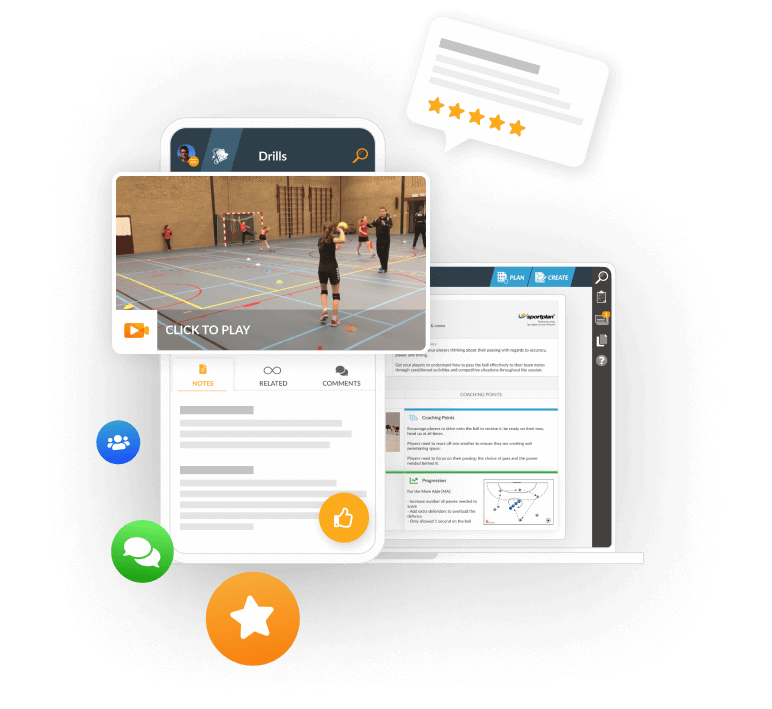
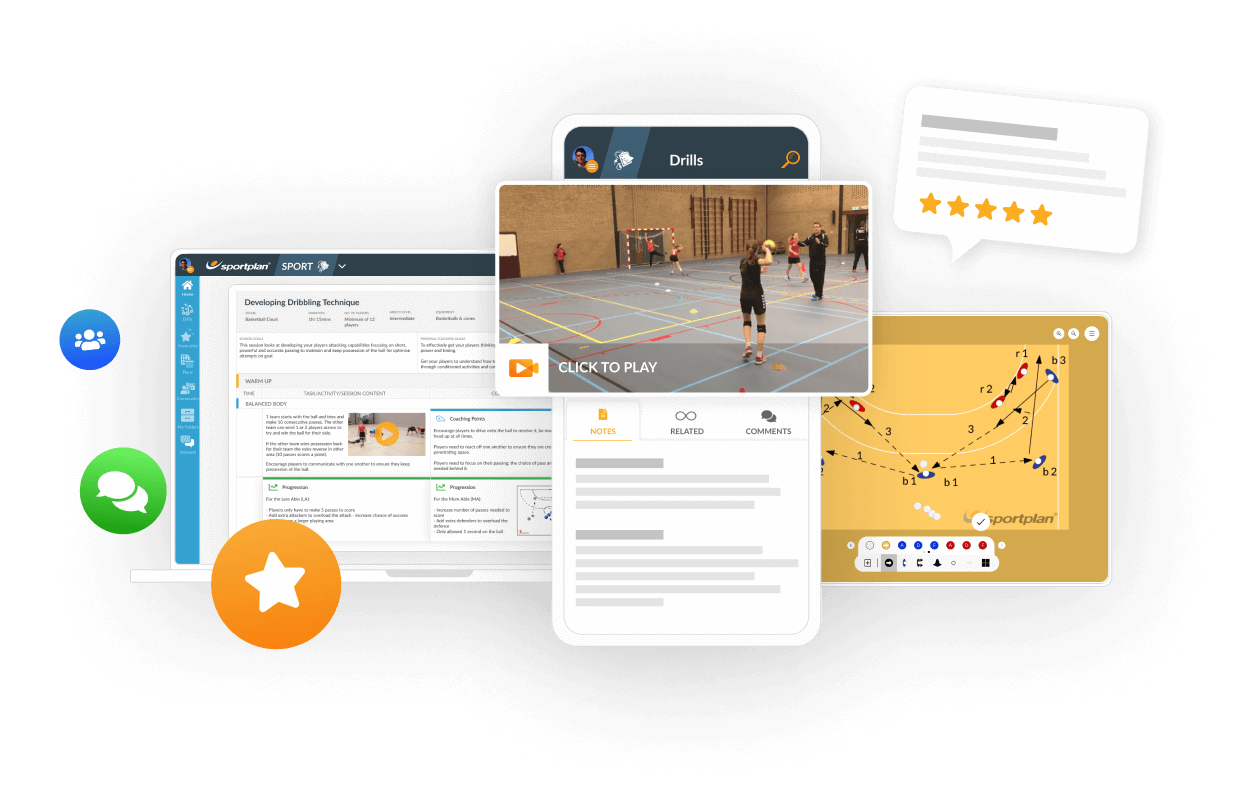
warm up with dribbling the ball.
1. every player with a ball dribbling inside the 9m area. on the whistle they need to sit down in group of threes backs to backs.
- dribbling and trying to steal the others ball, meanwhile saving their own one. sit in group of 3 on whistle.
2. players starting on the line, dribbling to the other side and back: -strong hand
-weak hand
-changing hands
-high knees
- ball around the waist
-throw the ball up and forward and catch it ( let is bounce ones)
-throw it from behind the back with two hands
-roll it, pick up and jump, same with other hand
3.players pair up with one ball. one of them is dribbling, the other one tries to steal it. 30 sec and change
eyes-hands coordination, dribbling the ball without constantly watching it.
explain dribbling technique (especially if players are playing another sport with different technique like basketball), and what counts as double dribble.
encourage them to practice with both hands.
explain how to cover the ball with their body when someone wants to steal the ball.
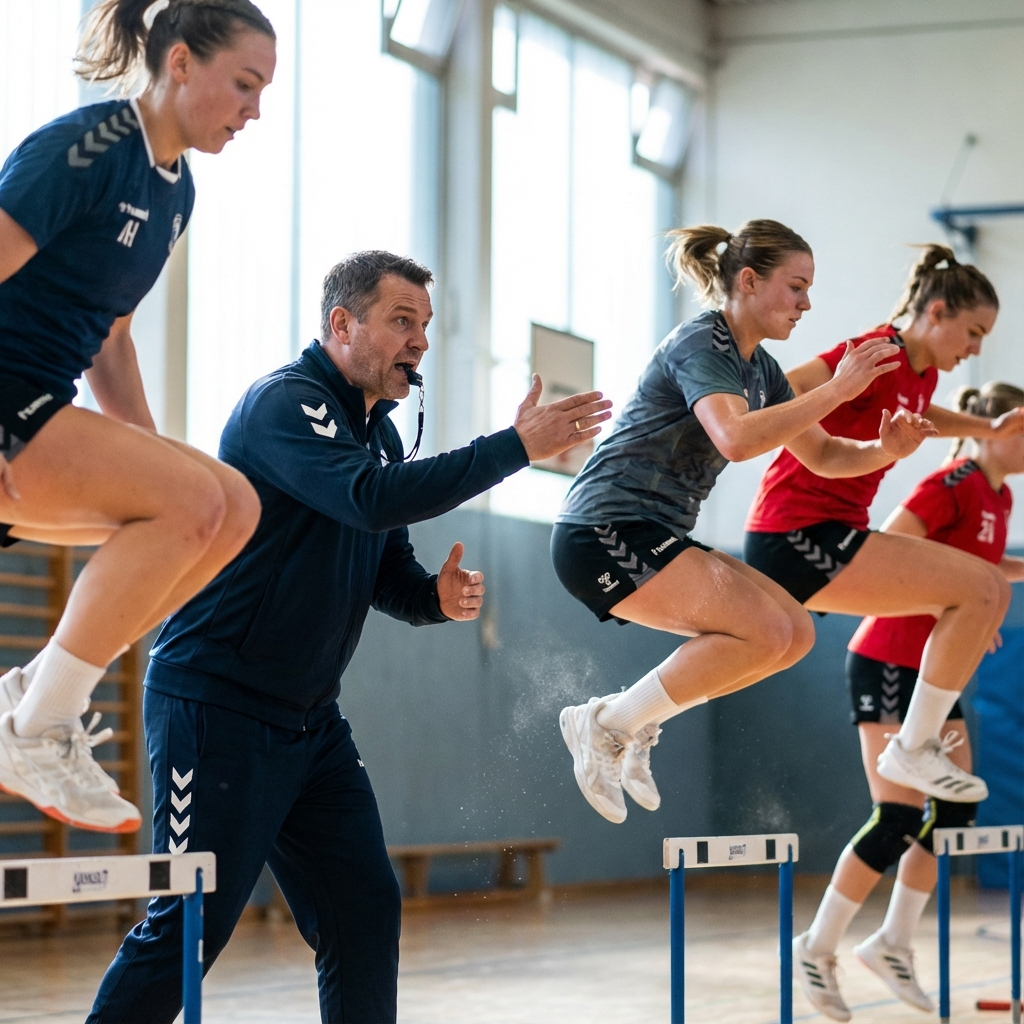
Handball demands explosive power, repeated sprint ability, and the strength to compete physically for 60 minutes. Sport-specific conditioning develops the athletic qualities that underpin elite performance.
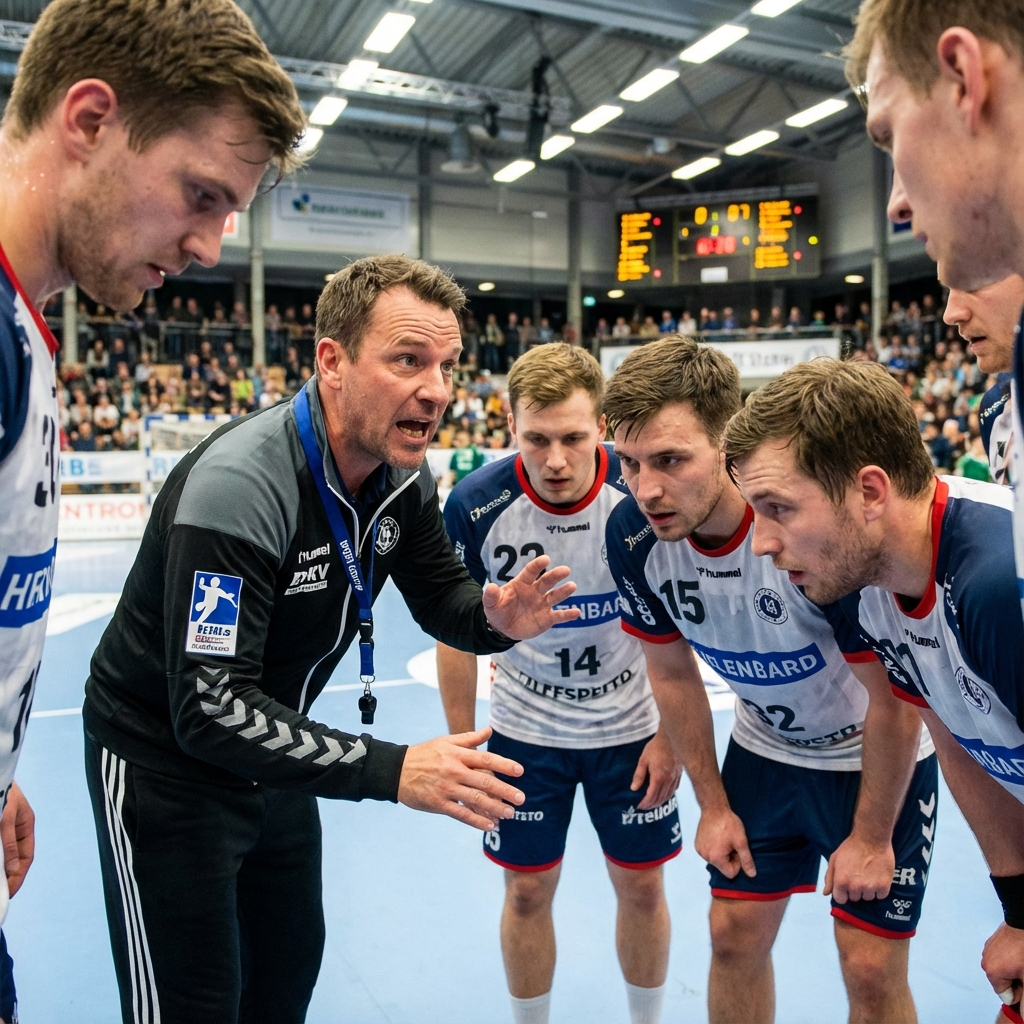
Handball matches are won and lost in critical moments. Mental toughness determines who executes under pressure, who recovers from setbacks, and who maintains concentration throughout 60 intense minutes.
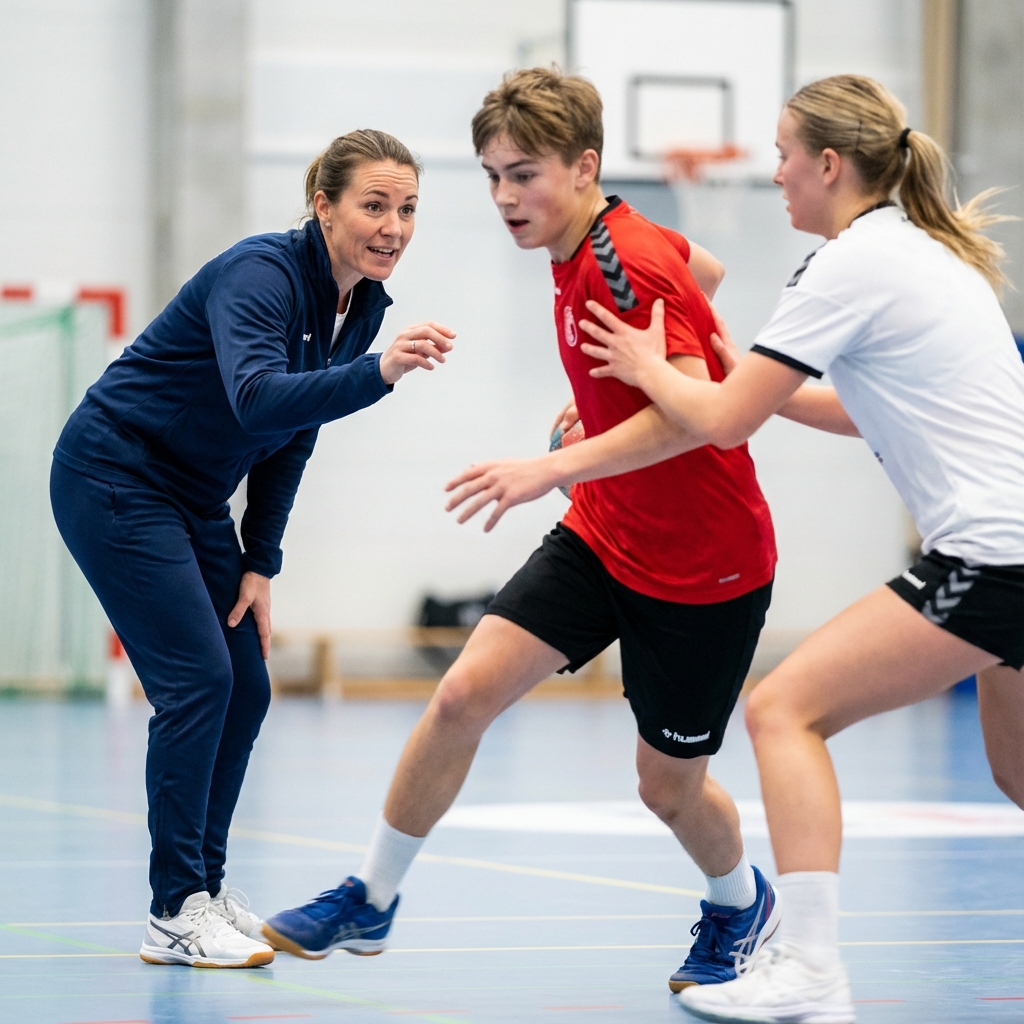
Deception is the great equaliser in handball. Smaller, less powerful players can beat defenders through feints and misdirection. Mastering these skills creates breakthrough opportunities against even the most organised defences.


Register for FREE and get coaching tips, top drills, session and more every week!