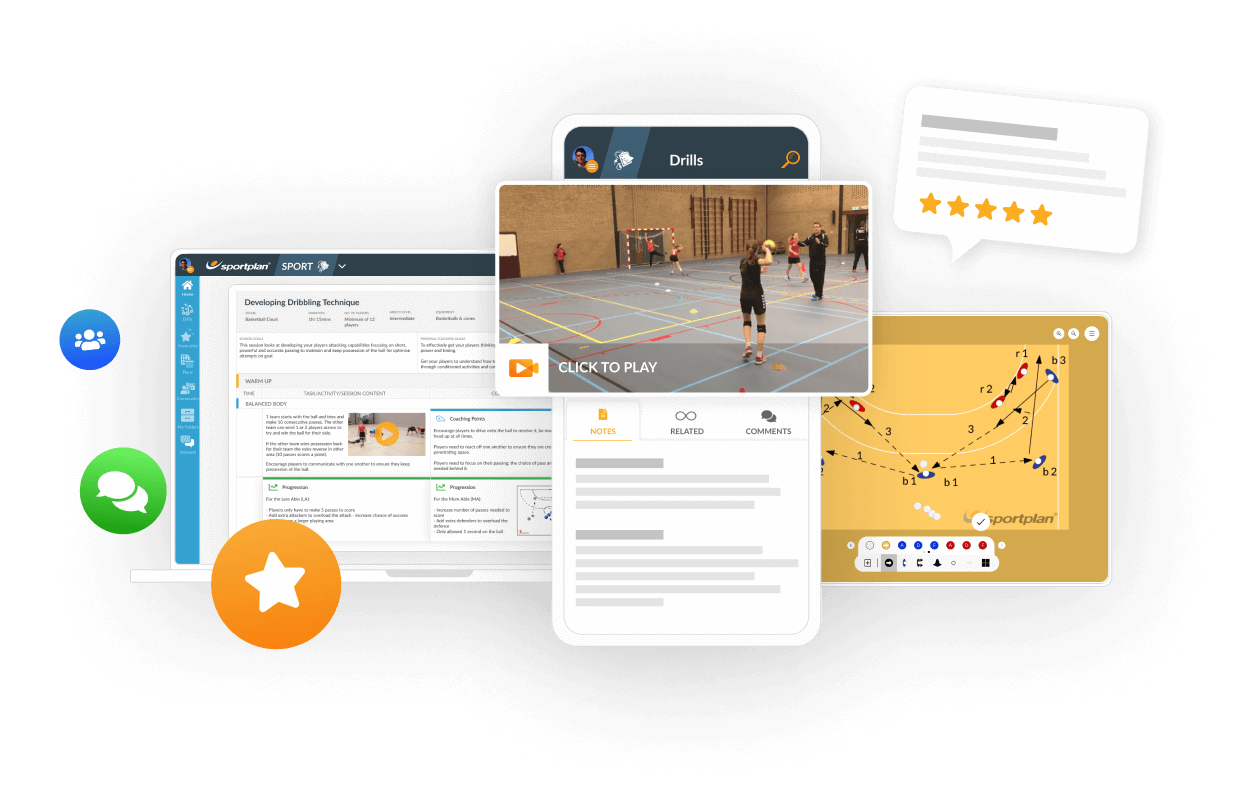
In groups of 5-6, students will work in a specified space. 1-2 players will be defensive, with the aim of stopping the ball moving between the attacking players.
Attacking players must pass the ball using the technique previously taught with accuracy and recieve the ball with good control (not dropping the ball).
Players are allowed to move around the area, but when in possession of the ball cannot move and must pass the ball.
Attacking players will change positions with defensive players in the following instances:
- Ball is dropped when recieving (control).
- Pass goes outside of the area (accuracy).
- Ball is fully intercepted by a defensive player (accuracy)
- If attacking team complete 10 successful passes then a changeover will occur.
Coaching Points:
Players to pass the ball accurately and recieve it with control, using the correct techniques, when under pressure from defender(s).
Players to develop a spatial awareness and be able to move to recieve the ball in a better advantageous position.
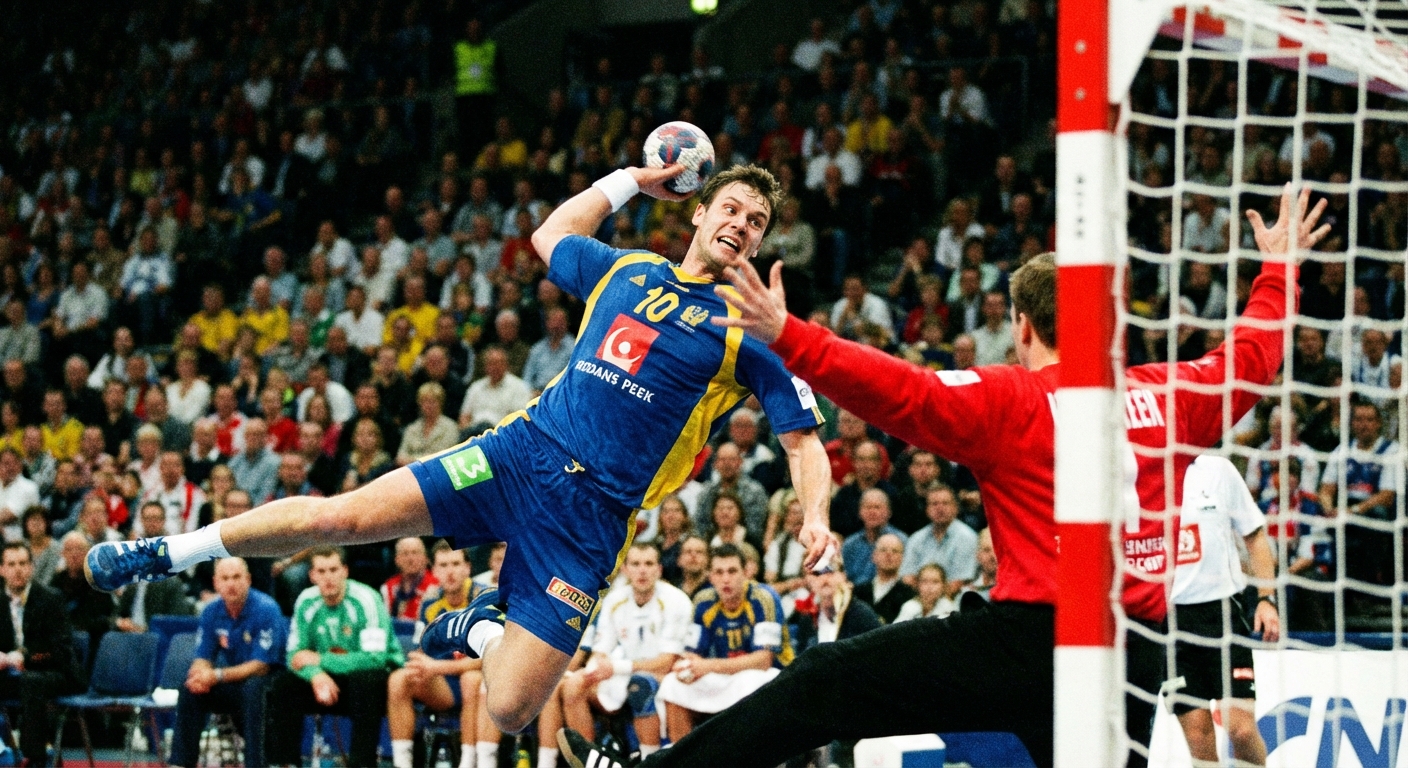
Wing players operate in the most demanding shooting position on a handball court, where acute angles and a close goalkeeper make finishing a specialist skill. This article breaks down the technique, decision-making, and training progressions that coaches need to develop elite wing finishing.
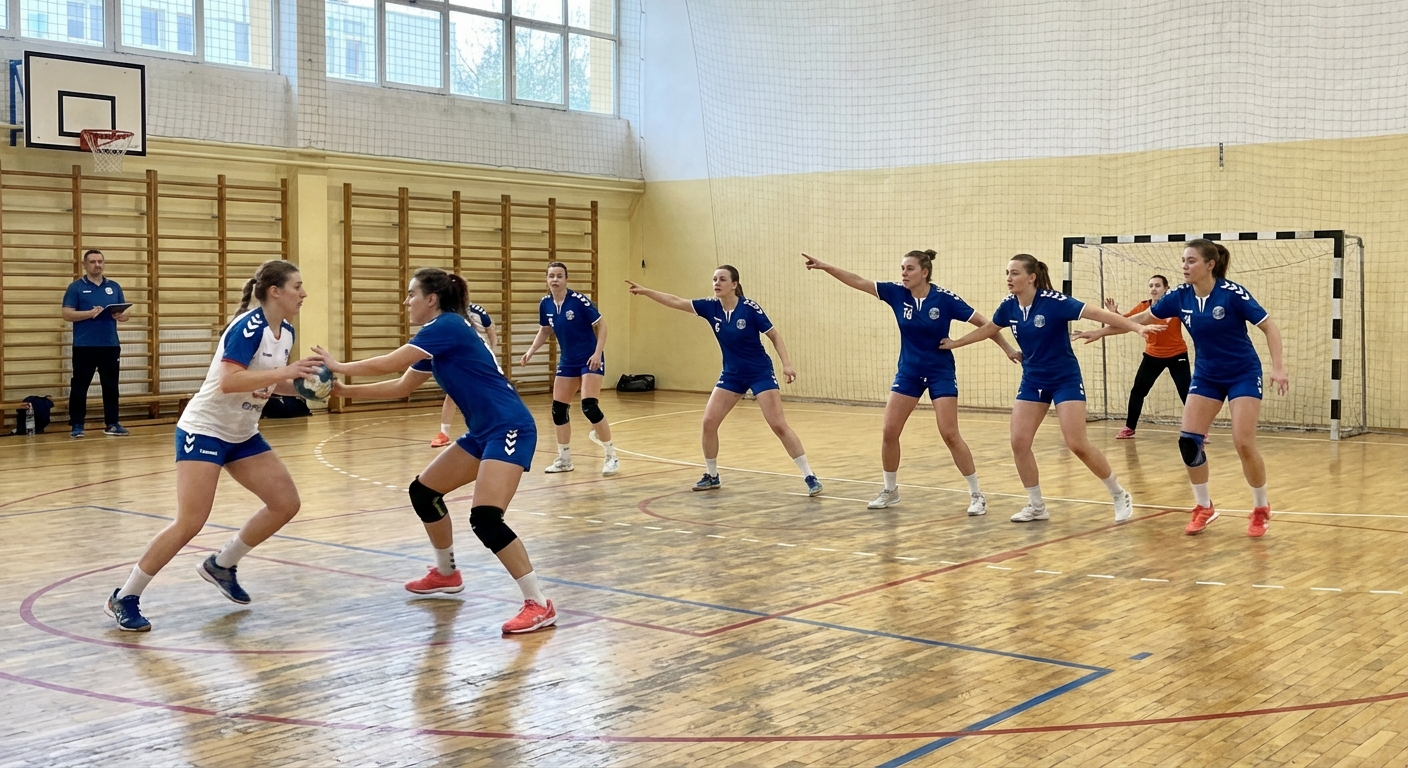
The transition from attack to defence is the most vulnerable moment in handball. This article examines the 3-second recovery principle, the specific roles players must adopt during transition, and the training scenarios that build a team's ability to recover defensive shape under pressure.
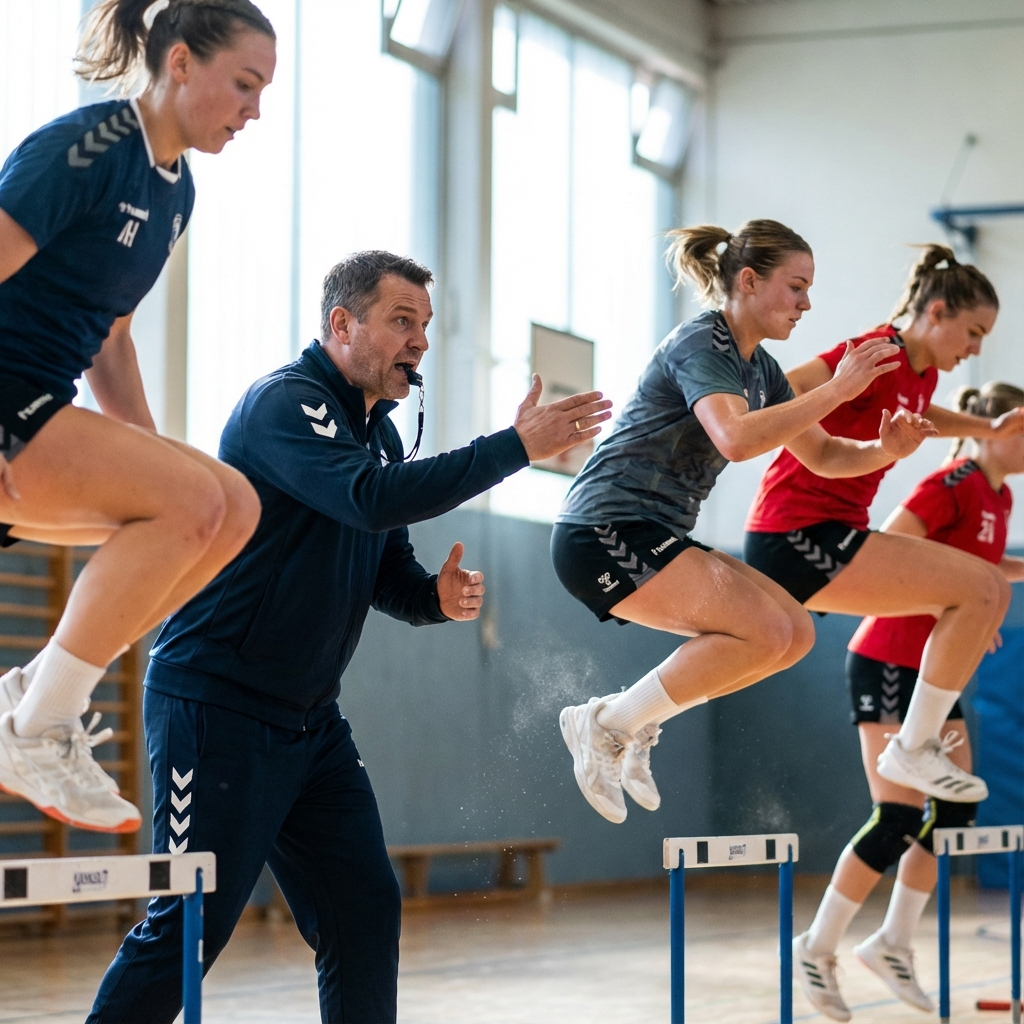
Handball demands explosive power, repeated sprint ability, and the strength to compete physically for 60 minutes. Sport-specific conditioning develops the athletic qualities that underpin elite performance.


Register for FREE and get coaching tips, top drills, session and more every week!