In this drill player tries to hit all the balls deep with backspin. Forehand slice is rarely used in modern tennis but it still has many advantages that can be used against the rival. Firstly it is a great defensive weapon to put more pressure on opponent’s next shot so placing the ball close to the baseline will check rival’s ability to adapt. Placing sliced ball deep is a big challenge to respond for players who don’t like to use their legs in their shots as also who use western grips. Tall players also will have problems with this kind of balls because their favorite point of contact is around the waist level. Overall, deep slice ball bounces low and is really difficult to attack so all players should train this shot to be able to apply successful strategy on different surfaces and against various opponents.
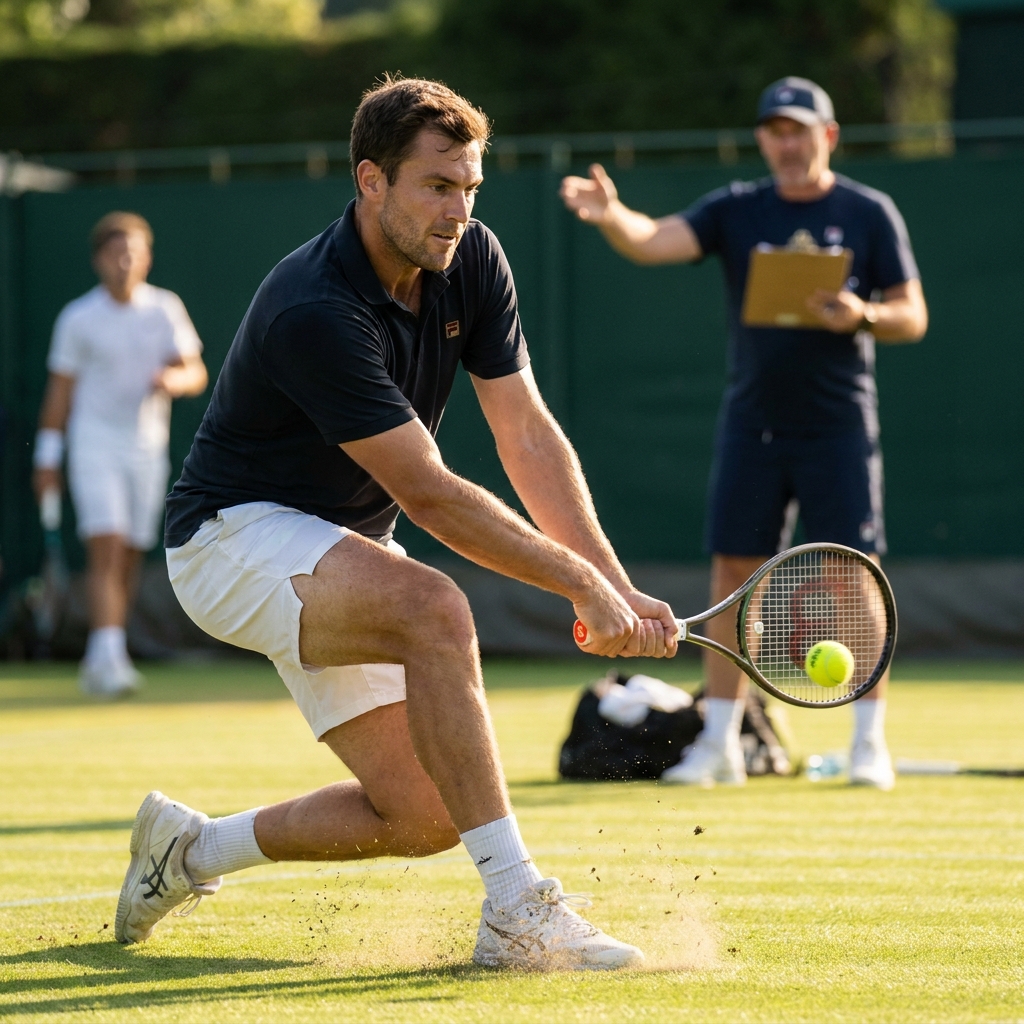
Wimbledon arrives at the end of June and the grass court swing transforms how the game is played. Low bounces, slippery footing, and rewards for forward play demand a different tactical mindset. Here is how to coach it.

With Roland Garros centre stage in May, clay court tennis demands a different toolkit: controlled sliding, longer rallies, and patient point construction. Here is how to coach the surface that humbles power players and rewards craft.
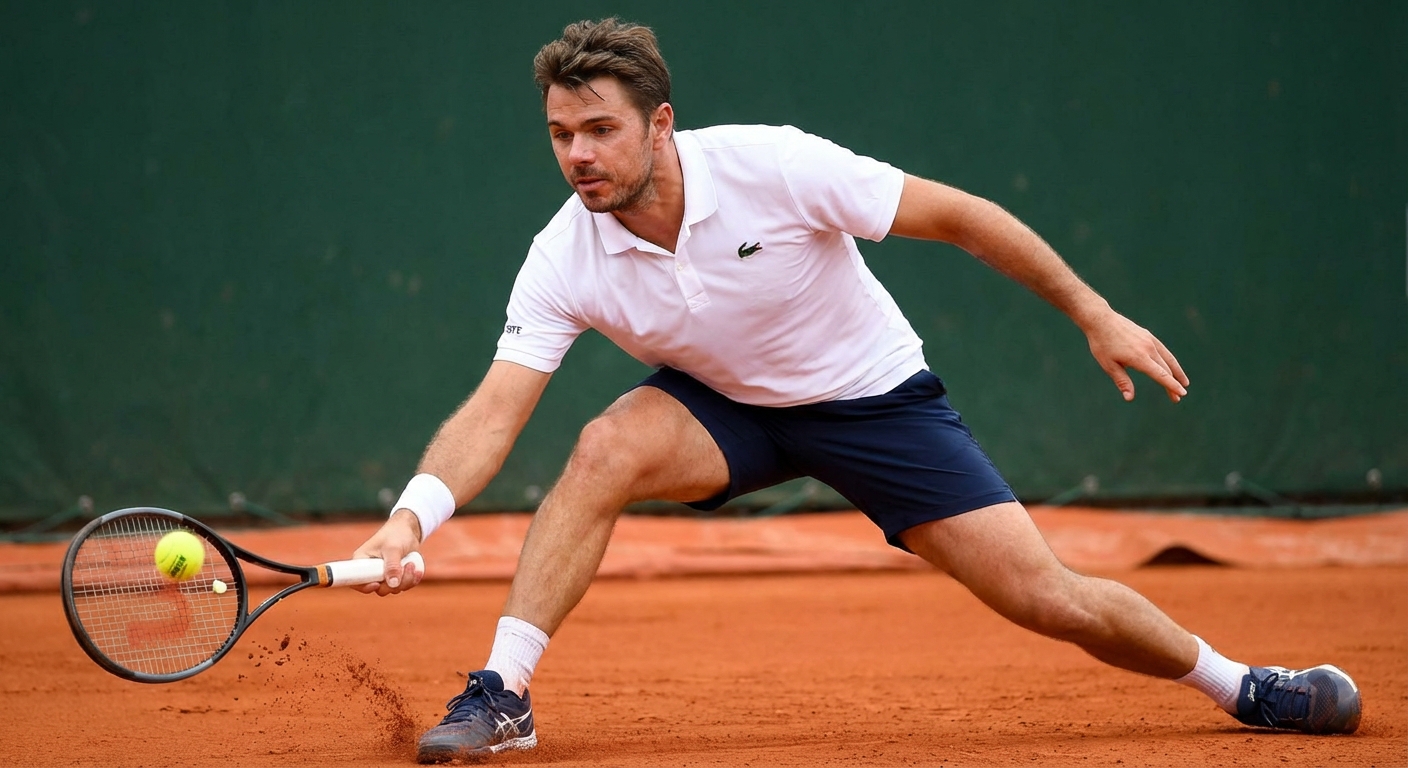
The slice backhand is experiencing a renaissance in modern tennis, valued for its ability to change pace, create approach opportunities, and neutralise powerful opponents. This guide breaks down the technique, tactical applications, and training progressions coaches need to develop this essential shot at every level.


Register for FREE and get coaching tips, top drills, session and more every week!