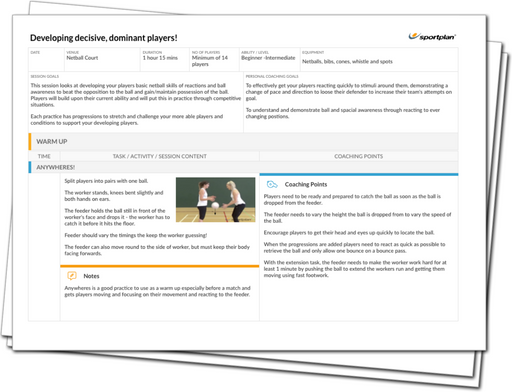
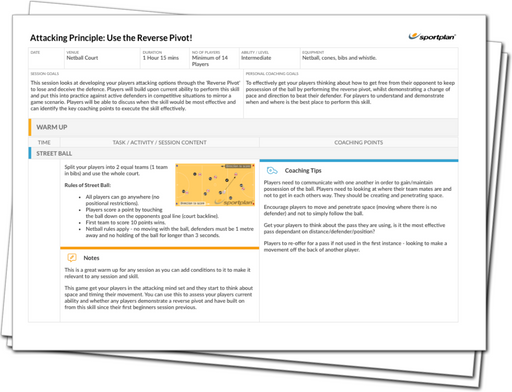
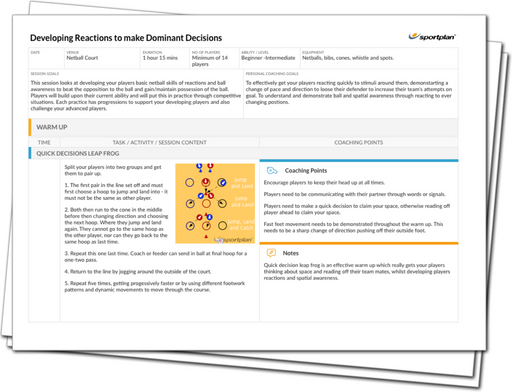
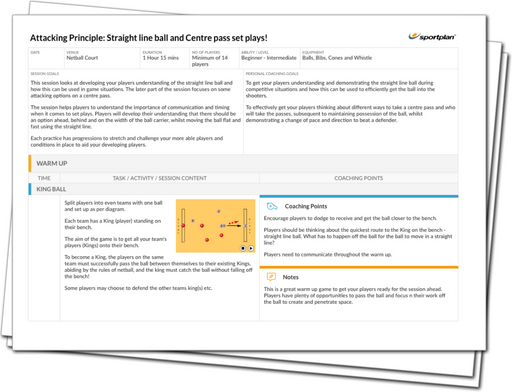
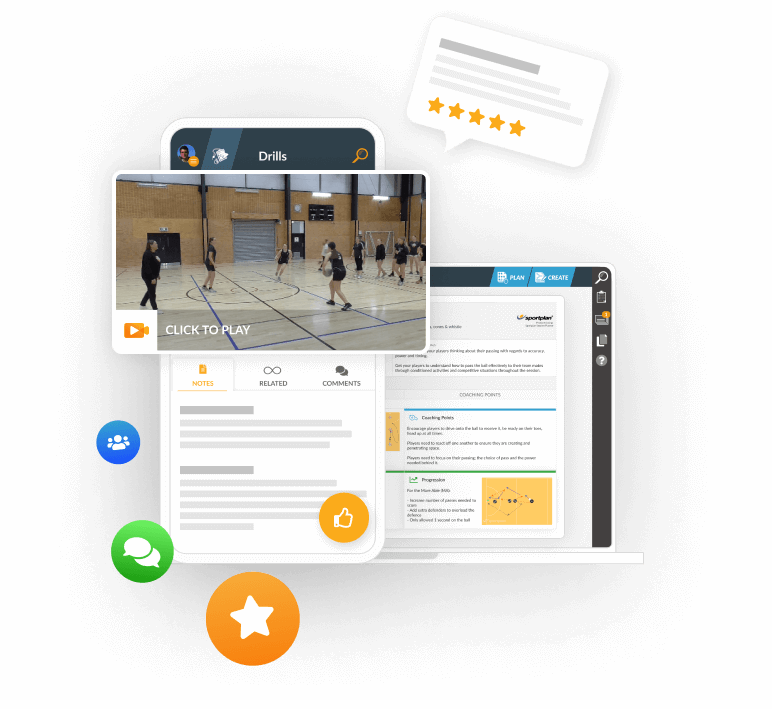
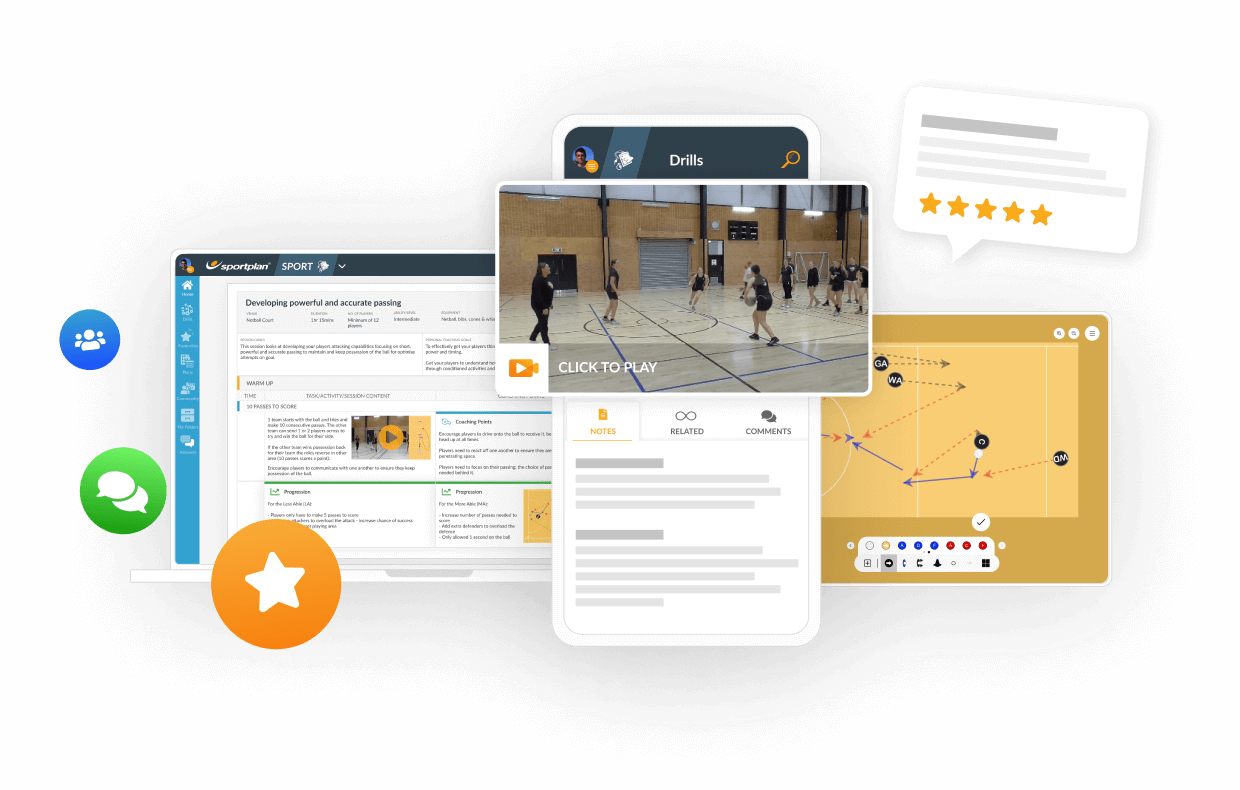
Some skills are easier to explain and teach than others, passing for instance is easy to visualise - you throw the ball from person A to person B with the intention of maintaining possession and progressing up the court. However, how do you teach something which happens in a split second? The interception is a fleeting move, one which needs to happen very quickly in order for it to be successful.
To help you coach this dashing move we use 3D - Driving, dynamic defences. First your player needs to drive into the space between the passer and the receiver to poach the ball. Second the rest of the team needs to be dynamic, taking the responsibility to move to cover the space left open by the player's move to intercept the ball. Thirdly they need to be defensively minded, being prepared to drop back and cover and more importantly recover quickly to stop holes opening up for the other team to exploit.
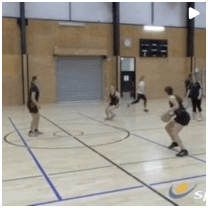
Your players will start by working in simple situations, working in two versus one situations, this gives the intercepting player a 50/50 choice and makes the skill easy to practice. As they improve and their success rate improves you will be able to progress them onto more game-like drills.
Defend as one - All for one and one for all!
in more ways than one
 sportplan_netball
in more ways than one
sportplan_netball
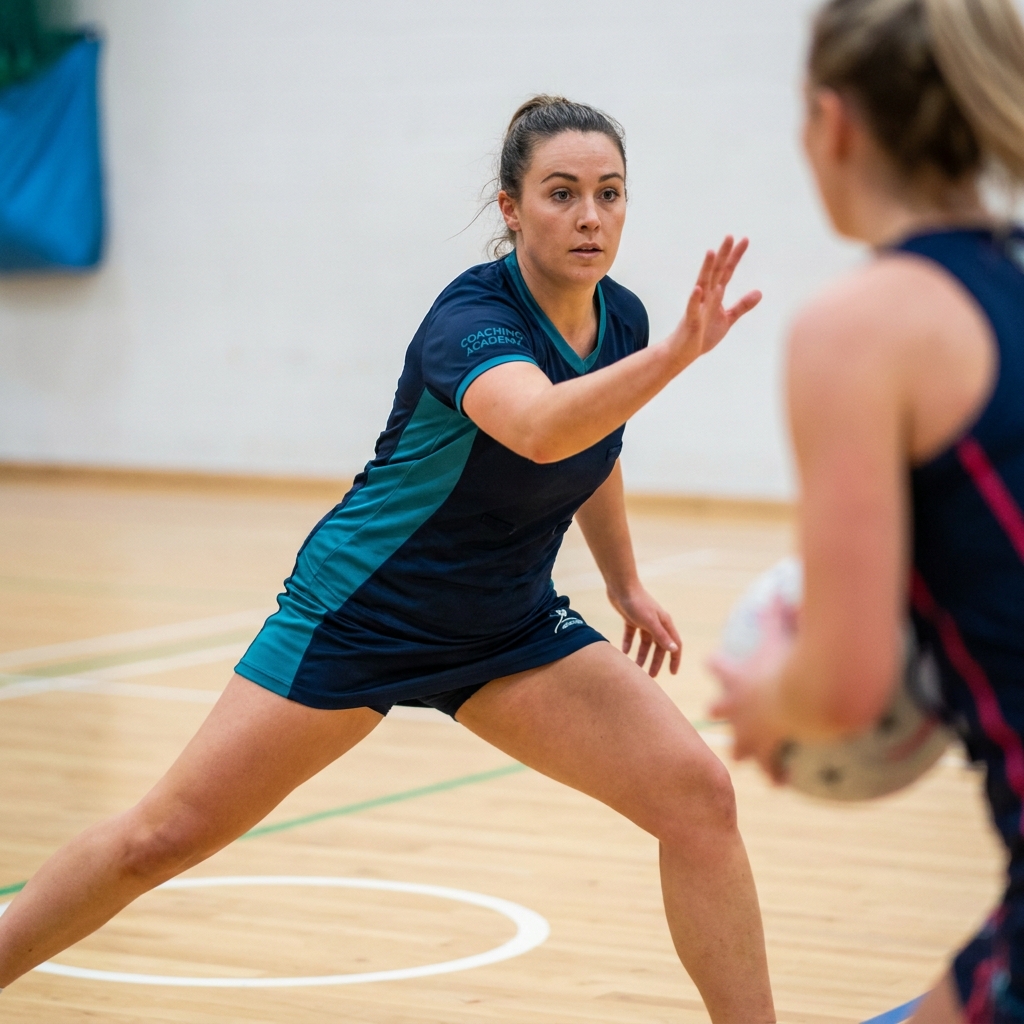
Split circle defence is the system the top three NSL teams have built their identity around in 2026. The Goal Keeper and Goal Defence divide the circle into zones, switch in synchrony, and make every passing option look risky. Here is how to coach it.
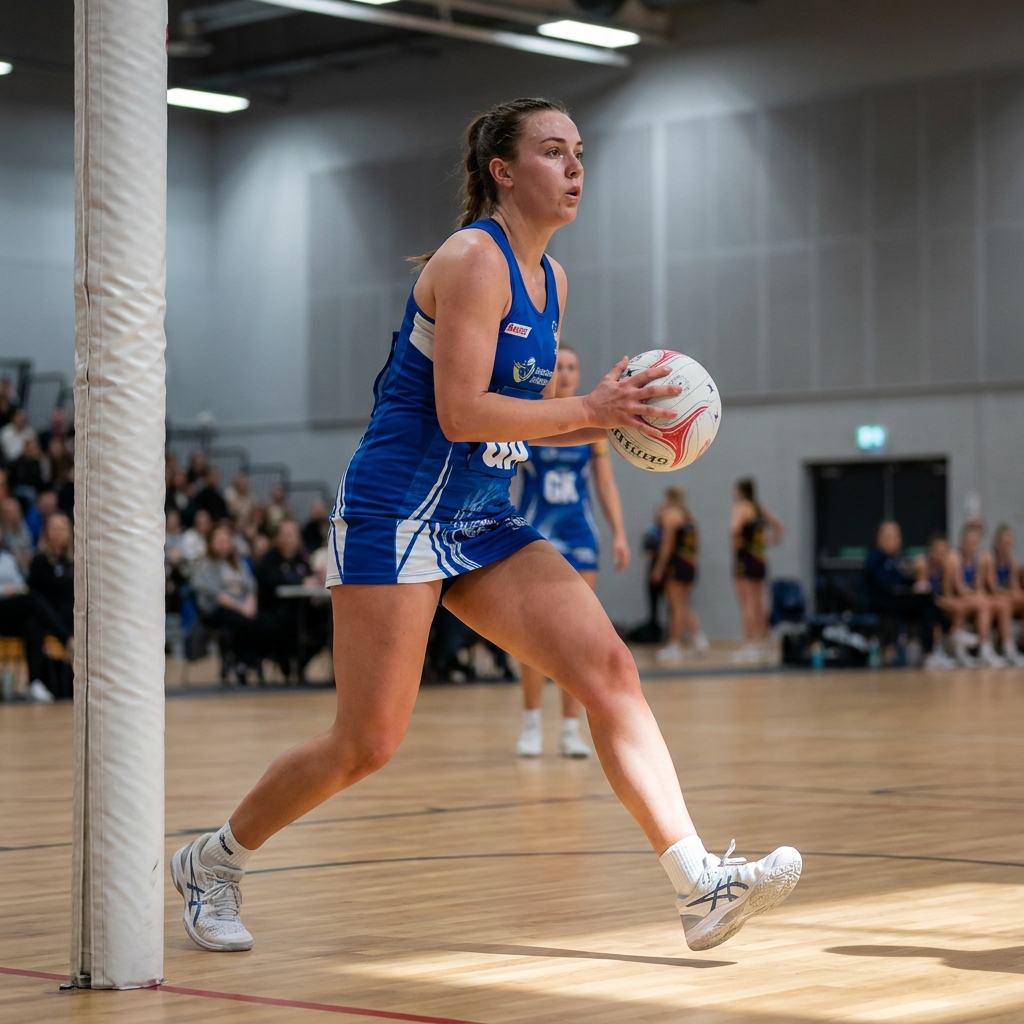
Most netball shooters know how to shoot. The difference at the top is who can shoot when it counts. A structured 10-minute pre-game mental routine is the most under-used performance tool in club netball - and it is the simplest to teach.
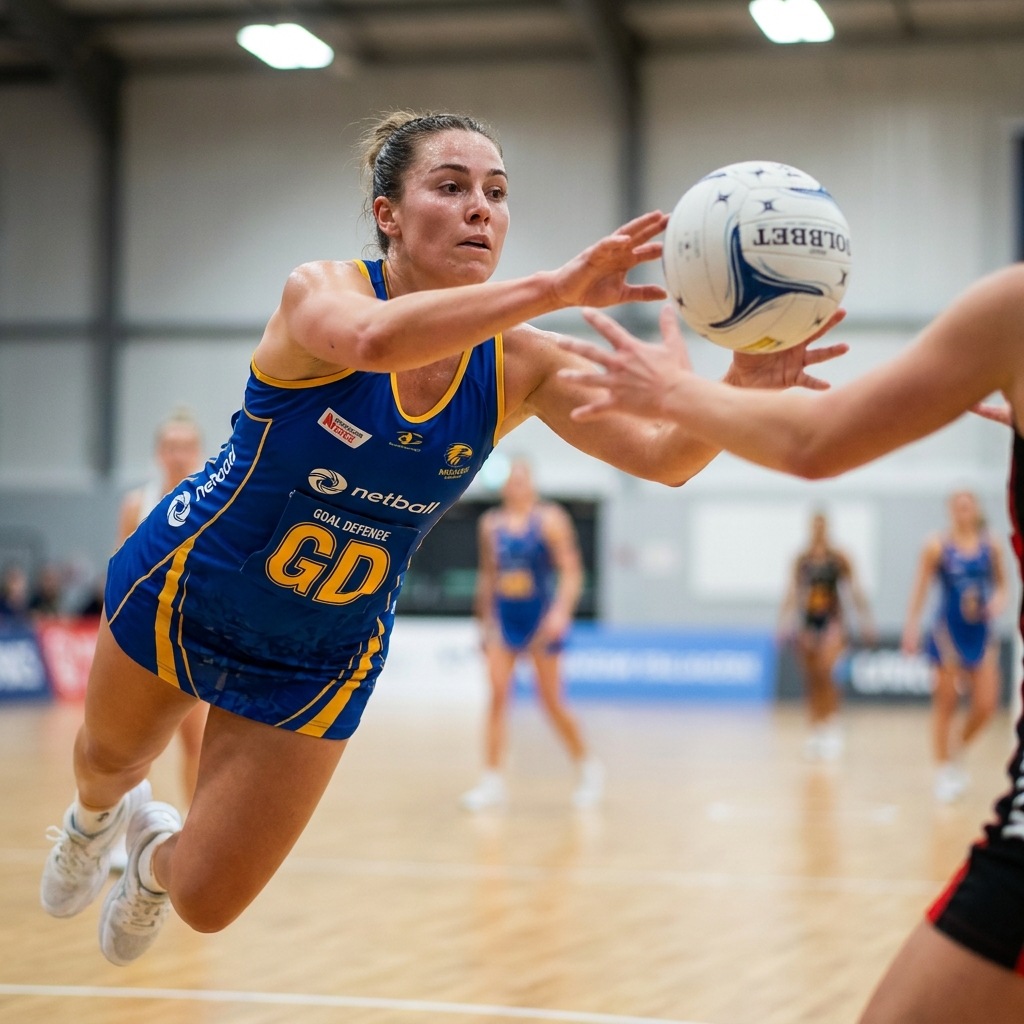
The best Goal Defences in the 2026 NSL season are intercepting more than ever. The reason is not raw athleticism. It is a deliberate shift from chasing the attacker to driving into the flight path of the ball. Here is how to coach it.