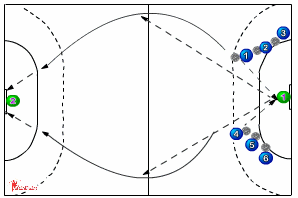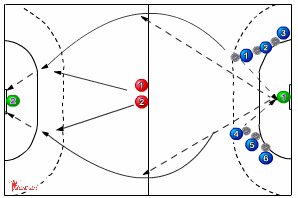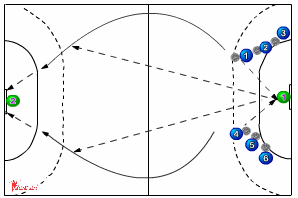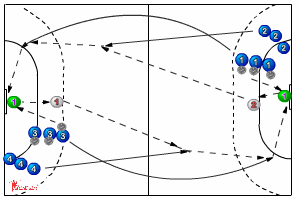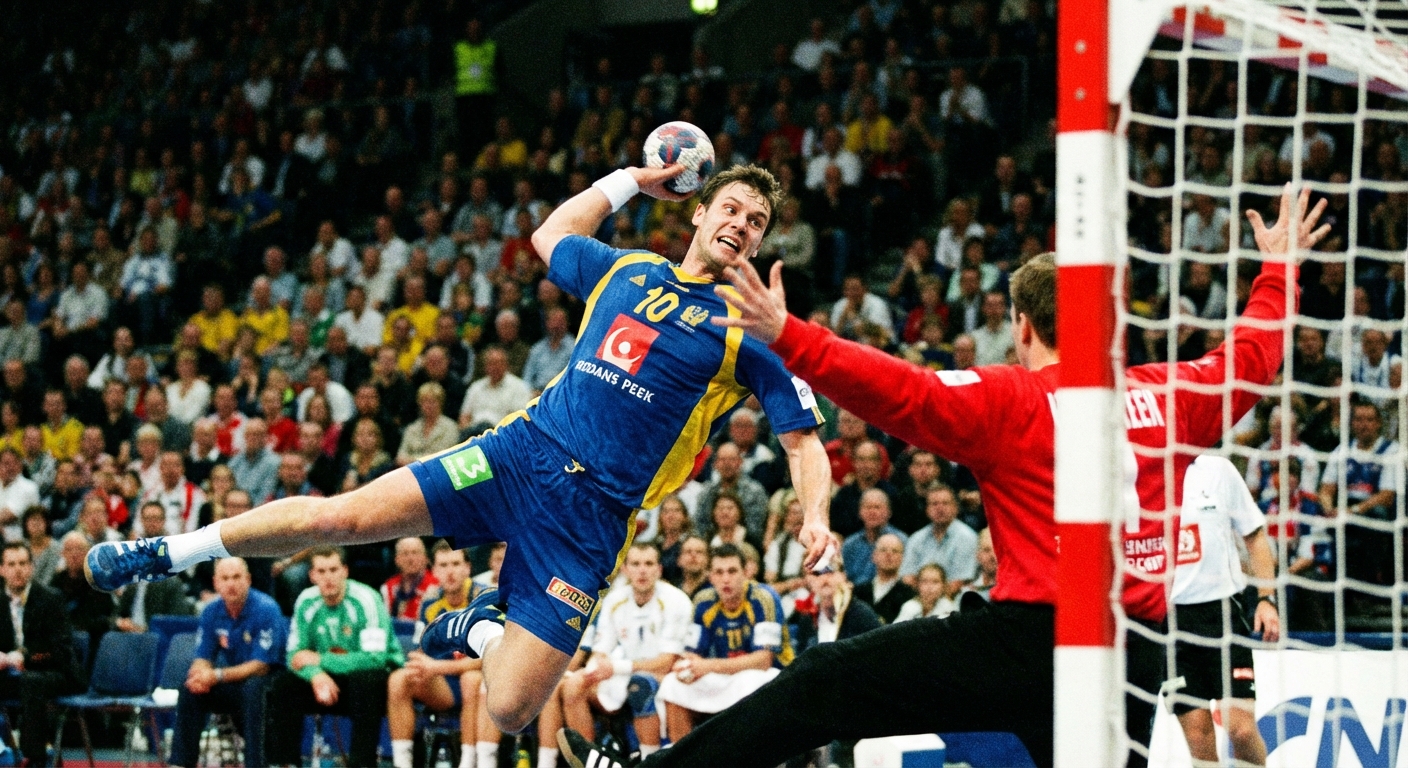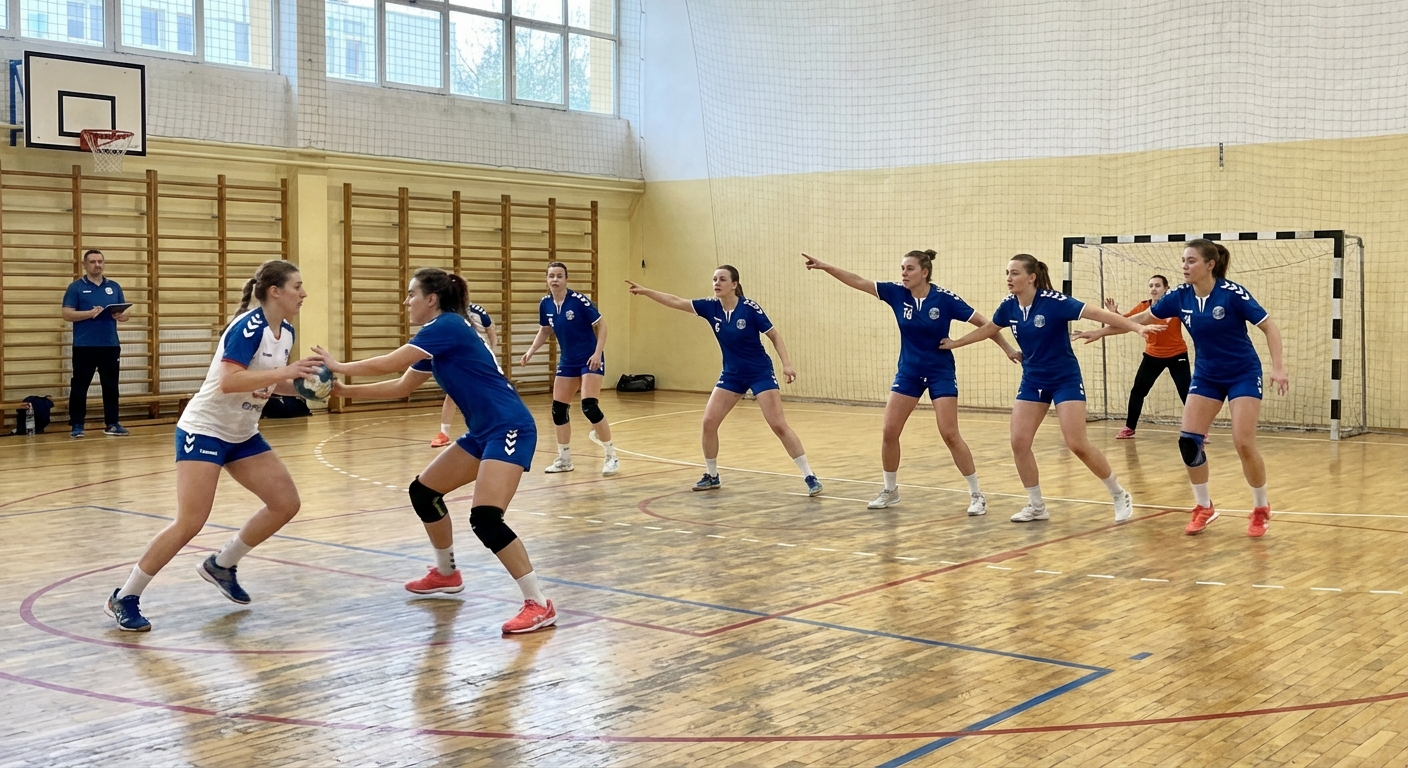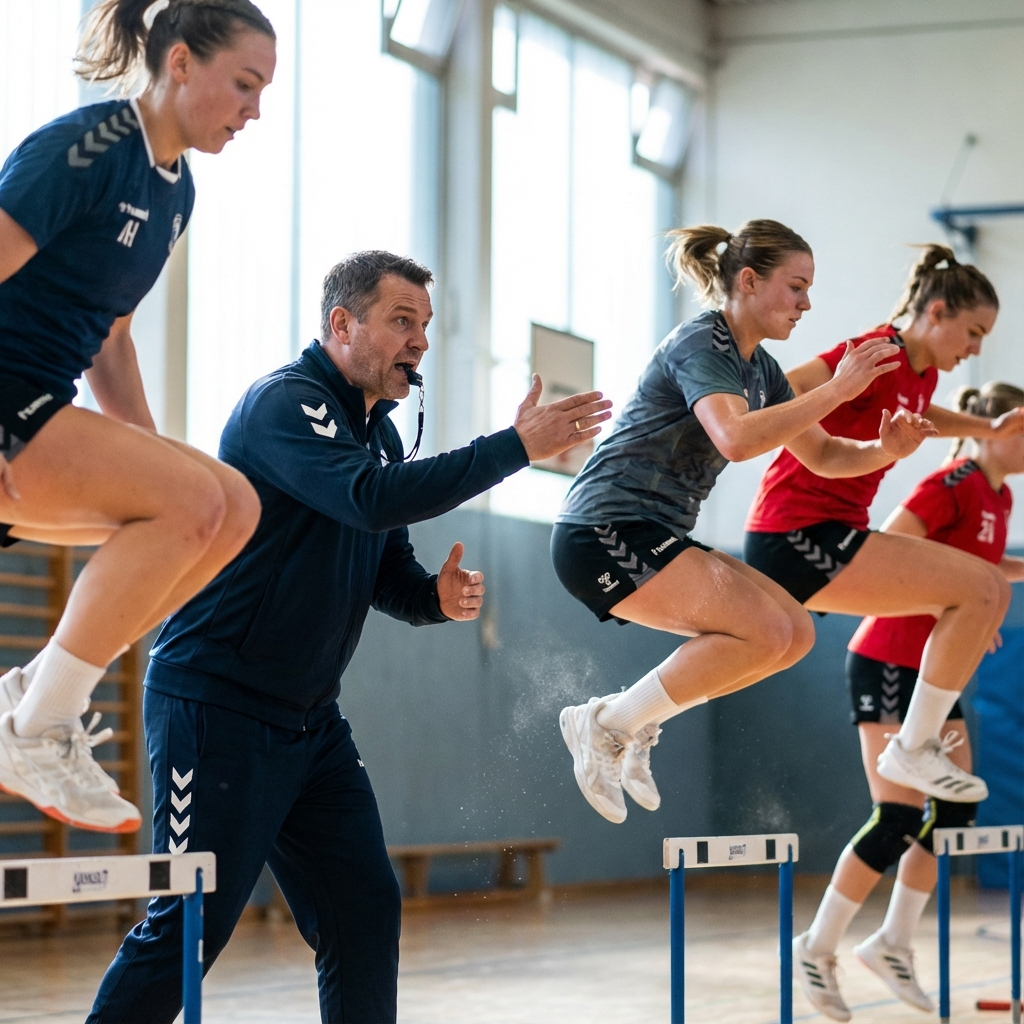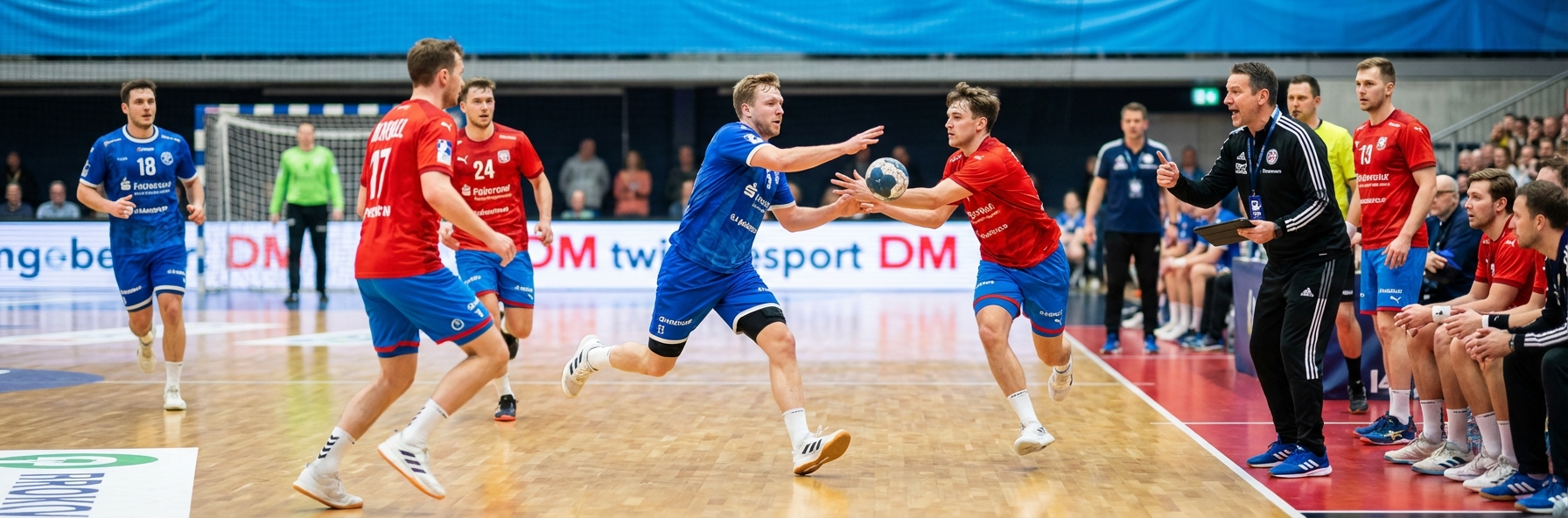
Fast break execution separates good handball teams from great ones. The ability to transition instantly from defence to attack, moving the ball faster than defenders can recover, creates high-percentage scoring opportunities. Modern coaches prioritise fast break training as a core tactical element.
First Wave Fast Break
The immediate counter-attack opportunity:
Goalkeeper release: Quick outlet passes to wing players sprinting up court.
Wing positioning: Wings must anticipate turnovers and start their runs early.
Centre court options: Backcourt players fill middle lanes for passing options.
Decision speed: Players must read the situation and commit instantly.
Second Wave Attack
When the first wave doesn't produce a shot:
Trailer support: Additional players join the attack within 3-4 seconds.
Numerical advantage: Create and exploit 2v1 or 3v2 situations.
Ball movement: Quick passing prevents defence from organising.
Shot selection: Take high-quality shots before defence sets.
Conditioning for Transitions
Physical preparation is essential:
Sprint endurance: Repeated fast break opportunities require recovery capacity.
Acceleration: First three steps are critical for getting ahead of defenders.
Deceleration: Controlled stopping for accurate shooting.
Mental alertness: Staying ready through entire matches.
Training Methods
Conditioned games: Reward fast break goals with bonus points.
Transition drills: Practice specific turnover scenarios repeatedly.
Communication: Verbal calls coordinate multi-player breaks.
Video analysis: Review successful and failed fast breaks to identify patterns.
Key Coaching Points
- Fast breaks require anticipation, not just reaction
- First wave success depends on wing player readiness
- Second wave maintains pressure when first wave stalls
- Conditioning enables fast break execution late in matches
- Communication coordinates timing between attackers