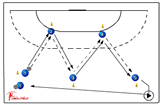
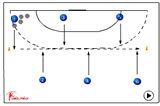
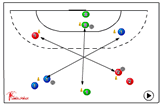
The first player waiting in line passes to the first player on the cone and immediately follows their pass and runs behind that player to receive the return pass.
Once they have the ball in hand again they pass the ball to the next player and drive behind them to loop in front of them and receive the ball again.
Once the player reaches the end of the course they dribble the ball to the corner and then sprint around the court back to the end of the line with the ball in hand.
Next player goes when first pass is complete.
Progression:
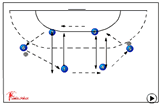
Make players use a different type of pass for every player they pass to whilst running around the course.
Next player goes when first pass is complete.
At the end of the drill, defenders can be added at certain positions to additionally train 1:1 duels as a repetition.
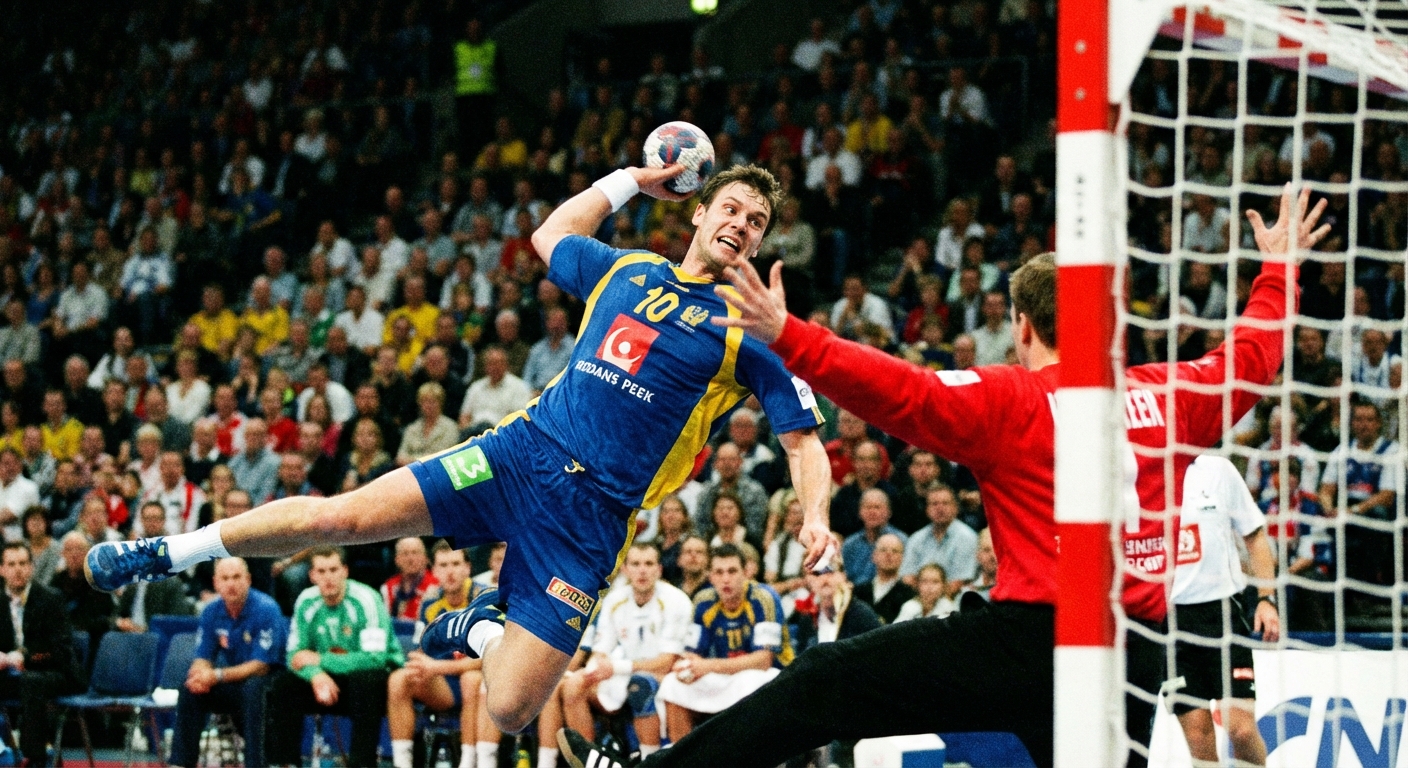
Wing players operate in the most demanding shooting position on a handball court, where acute angles and a close goalkeeper make finishing a specialist skill. This article breaks down the technique, decision-making, and training progressions that coaches need to develop elite wing finishing.
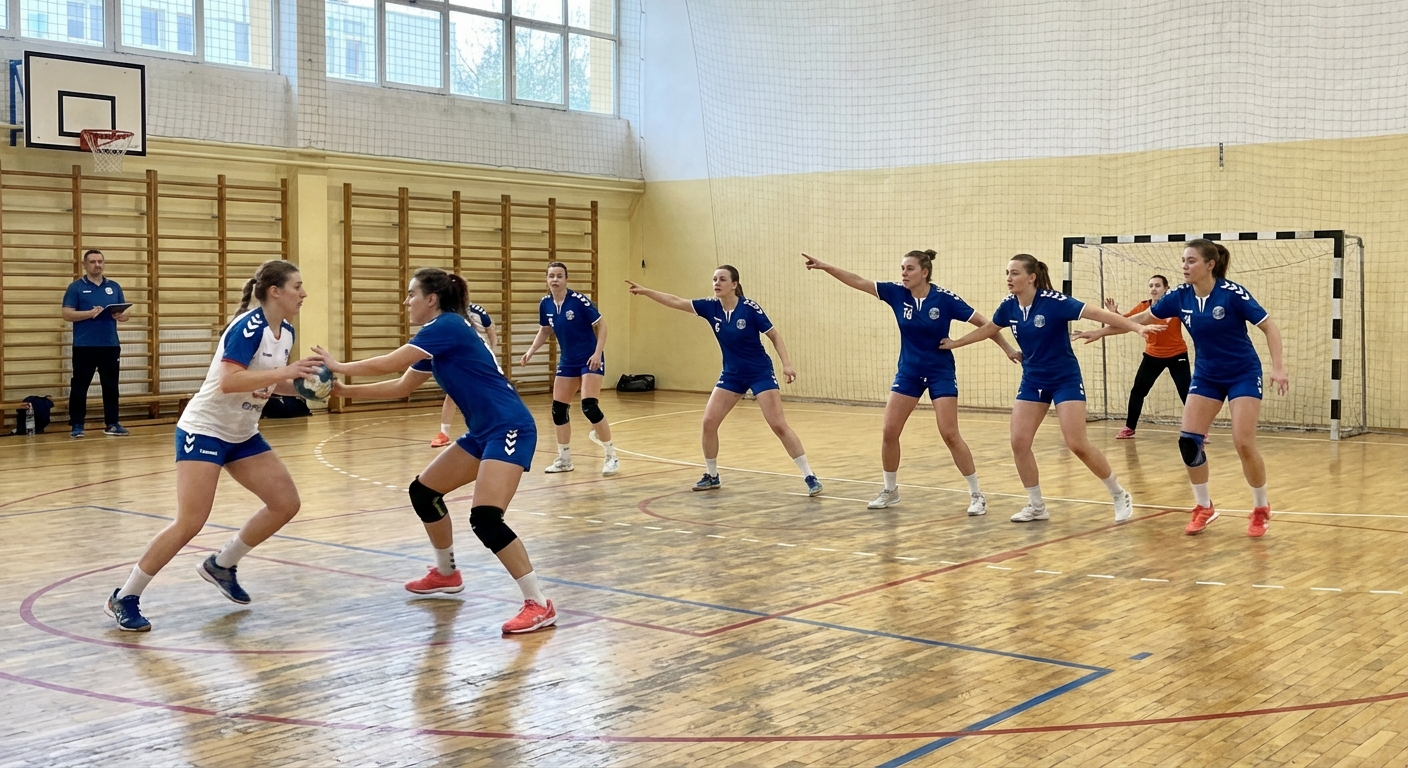
The transition from attack to defence is the most vulnerable moment in handball. This article examines the 3-second recovery principle, the specific roles players must adopt during transition, and the training scenarios that build a team's ability to recover defensive shape under pressure.
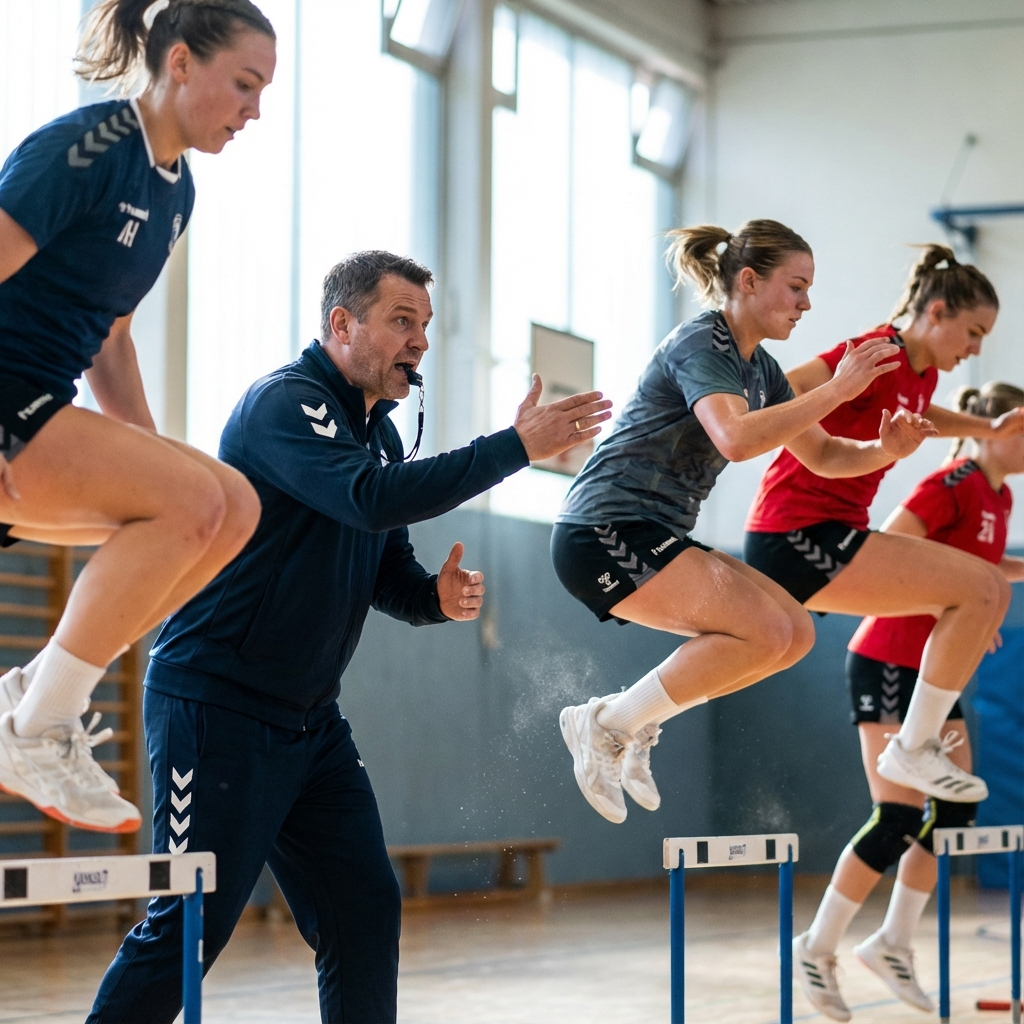
Handball demands explosive power, repeated sprint ability, and the strength to compete physically for 60 minutes. Sport-specific conditioning develops the athletic qualities that underpin elite performance.


Register for FREE and get coaching tips, top drills, session and more every week!