The line player position has undergone significant evolution in modern handball. No longer simply a target for passes in the 6-metre area, today's pivot must be a complete player - setting screens, reading defences, creating opportunities for backcourt players, and finishing with a variety of techniques.
Positional Play
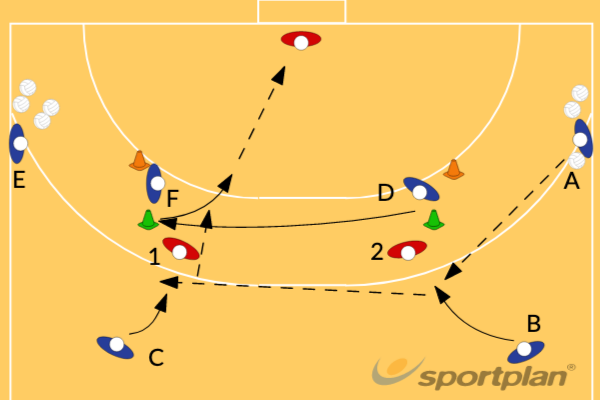
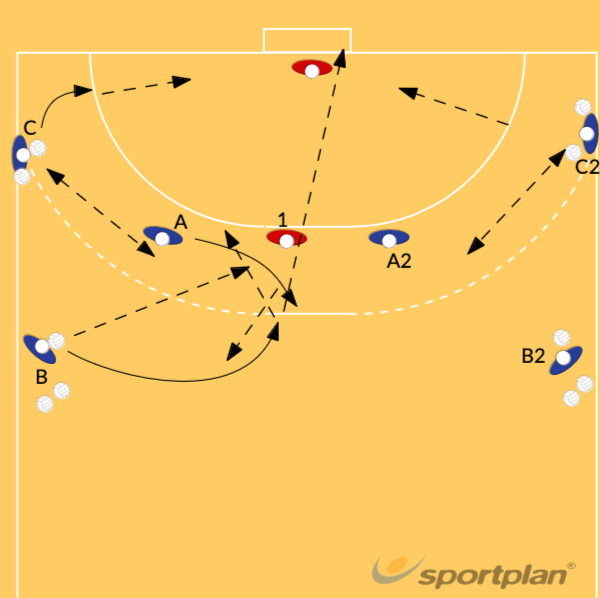
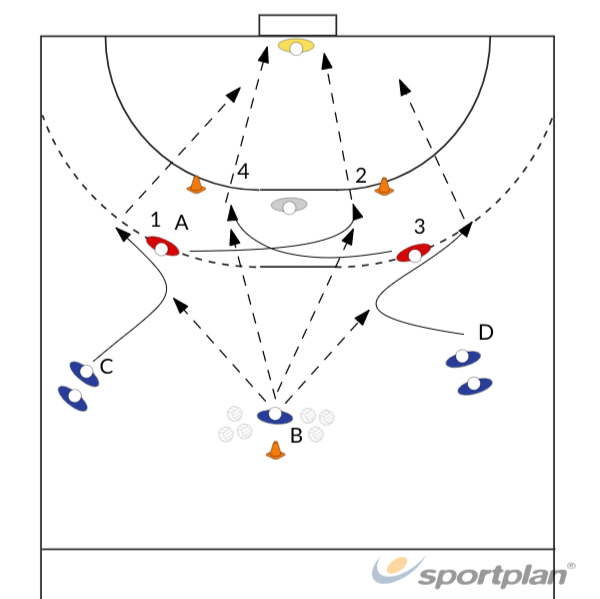
Working within the defence:
Space occupation: Position between defenders to receive passes.
Movement timing: Coordinate runs with ball circulation.
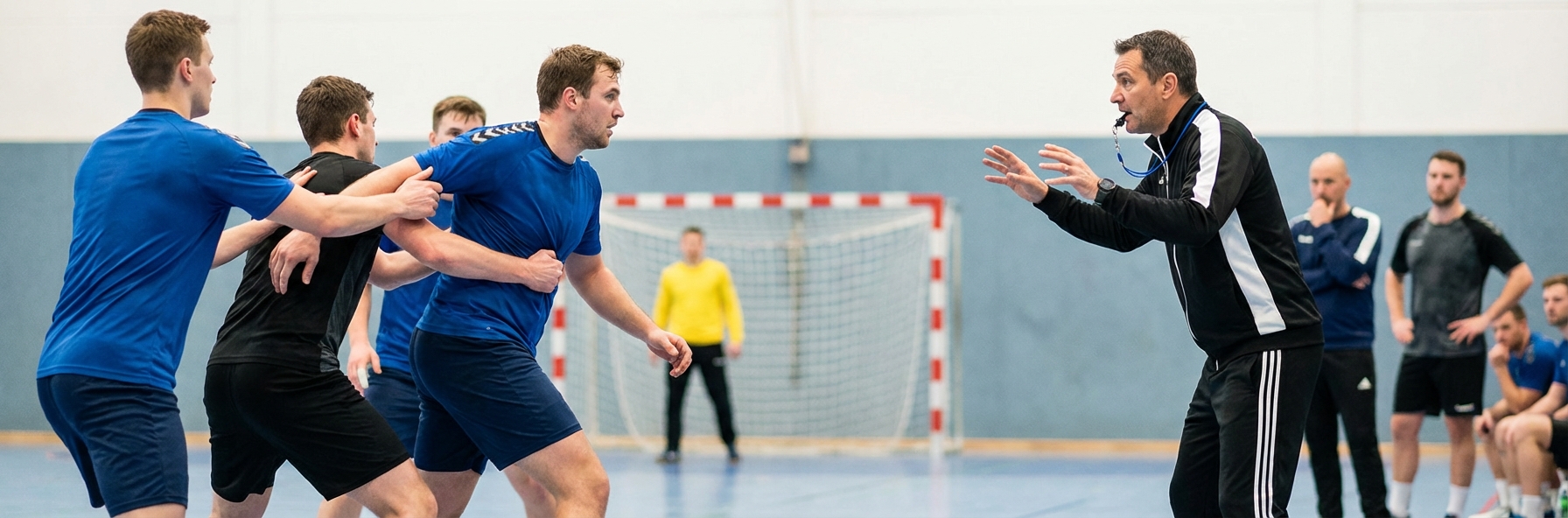
Contact management: Maintain position against physical defence.
Switching sides: Move from one gap to another as the attack develops.
Creating for Teammates
The pivot's role in team attack:
Screening: Block defenders to free backcourt shooters.
Defensive attention: Draw defenders to create gaps elsewhere.
Communication: Signal to teammates when opportunities exist.
Ball movement: Quick touches to maintain attack rhythm.
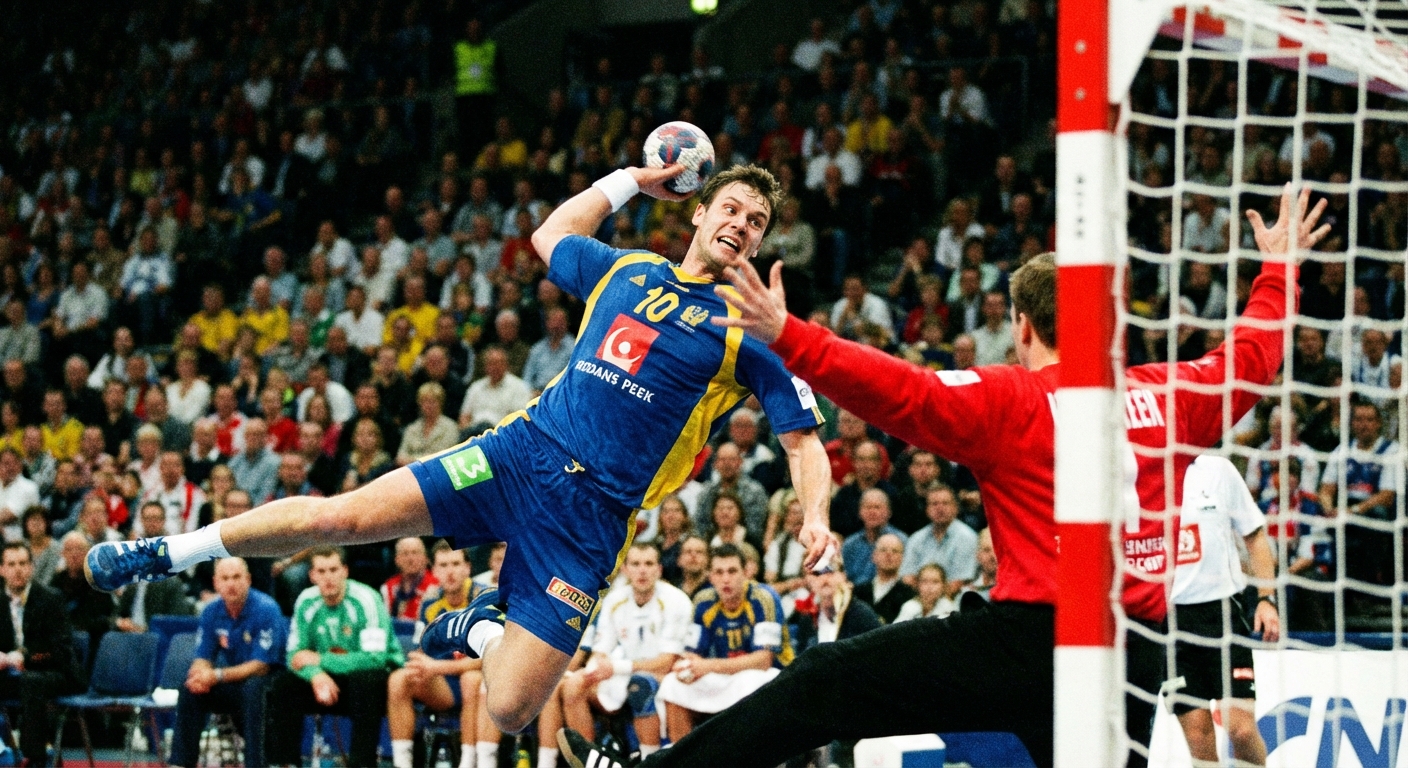
Finishing Techniques
Quick shots: One-touch finishes from bounce passes.
Turn and shoot: Pivoting to face goal and release quickly.
Spin shots: Creating angle through body rotation.
Tip-ins: Redirecting passes from backcourt players.
Physical Requirements
Strength: Hold position against aggressive defenders.
Balance: Maintain stability while being pushed and pulled.
Agility: Quick direction changes in tight spaces.
Endurance: Constant movement and contact throughout matches.
Key Coaching Points
- Line players create opportunities even when not scoring
- Timing between pivot movement and ball movement is crucial
- Physical conditioning for contact is essential
- Multiple finishing techniques keep goalkeepers guessing
- Communication with backcourt players coordinates attacks