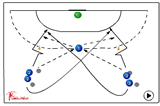
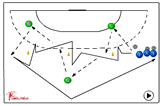
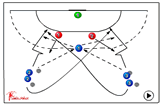
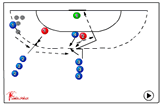
Players line up on both sides of the court with a ball in hand. They take it in turns to pass the ball to player 1 and then progress up the court.
As they move down the court the defender picks up the runner and passively shadows their movement.
The attacker must then move inwards before then sharply cutting outside to lose their marker, receive the ball from player 1 and make a shot on goal.
To begin with defenders should be fairly passive, allowing the attackers to lose them and receive the pass.
As the drill progresses though the role of the defender should increase and attacking players can decide whether to cut inside or out in order to make space in which to receive the ball in.
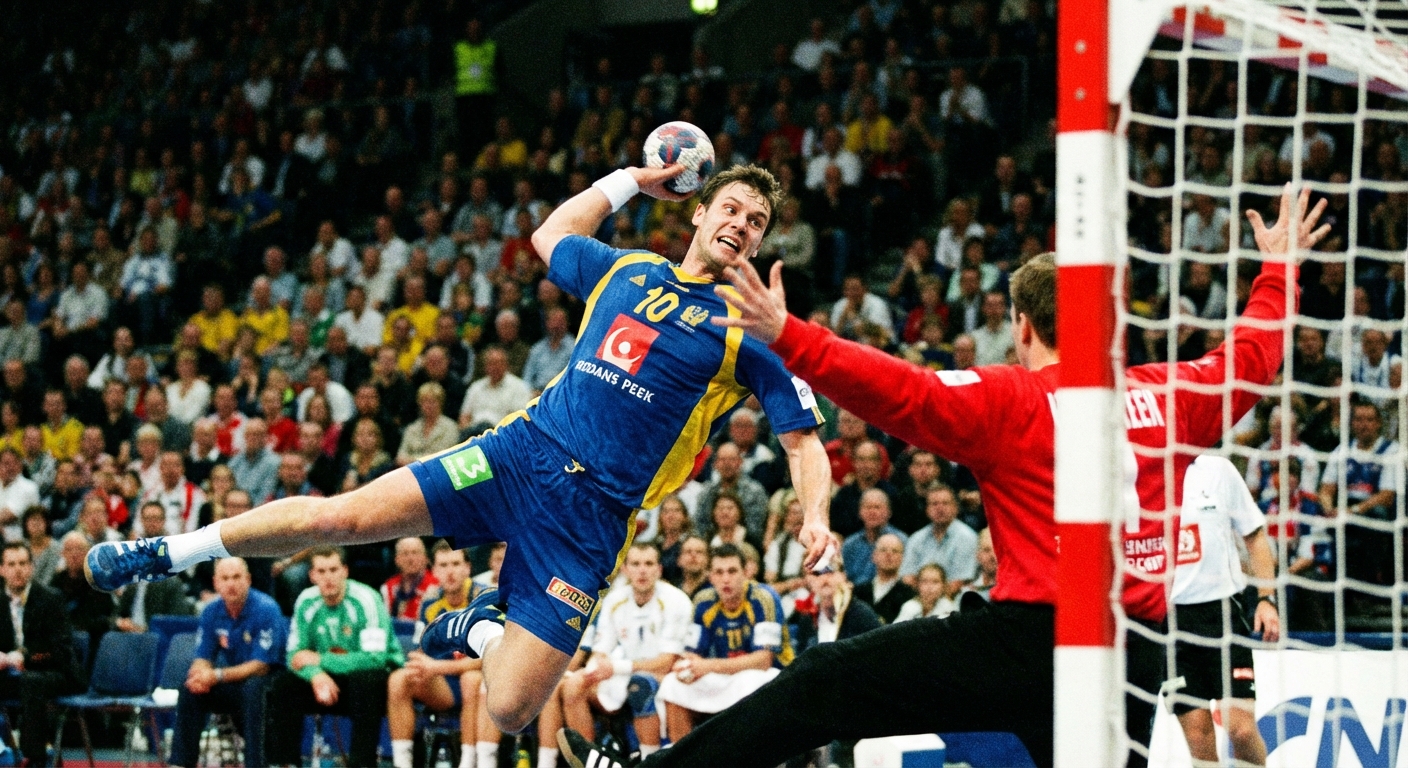
Wing players operate in the most demanding shooting position on a handball court, where acute angles and a close goalkeeper make finishing a specialist skill. This article breaks down the technique, decision-making, and training progressions that coaches need to develop elite wing finishing.
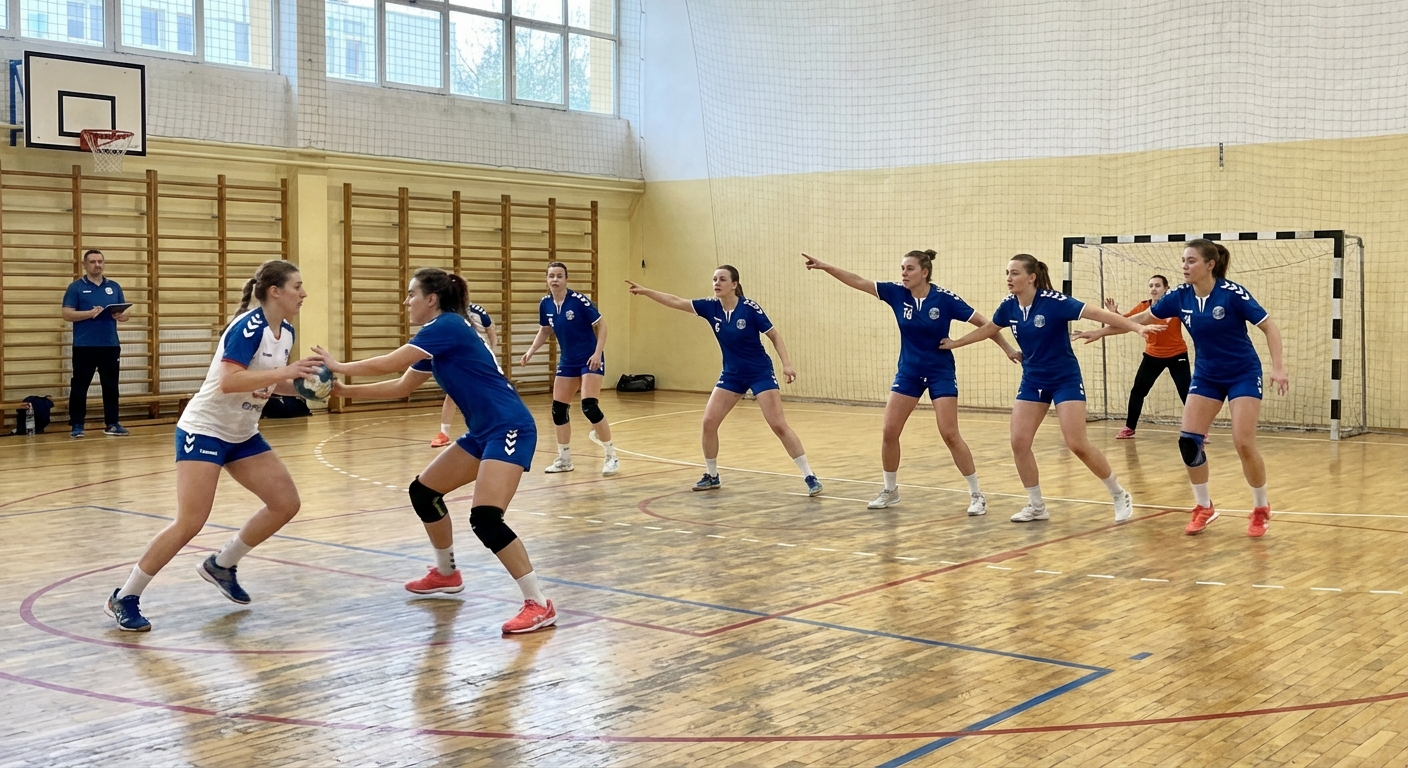
The transition from attack to defence is the most vulnerable moment in handball. This article examines the 3-second recovery principle, the specific roles players must adopt during transition, and the training scenarios that build a team's ability to recover defensive shape under pressure.
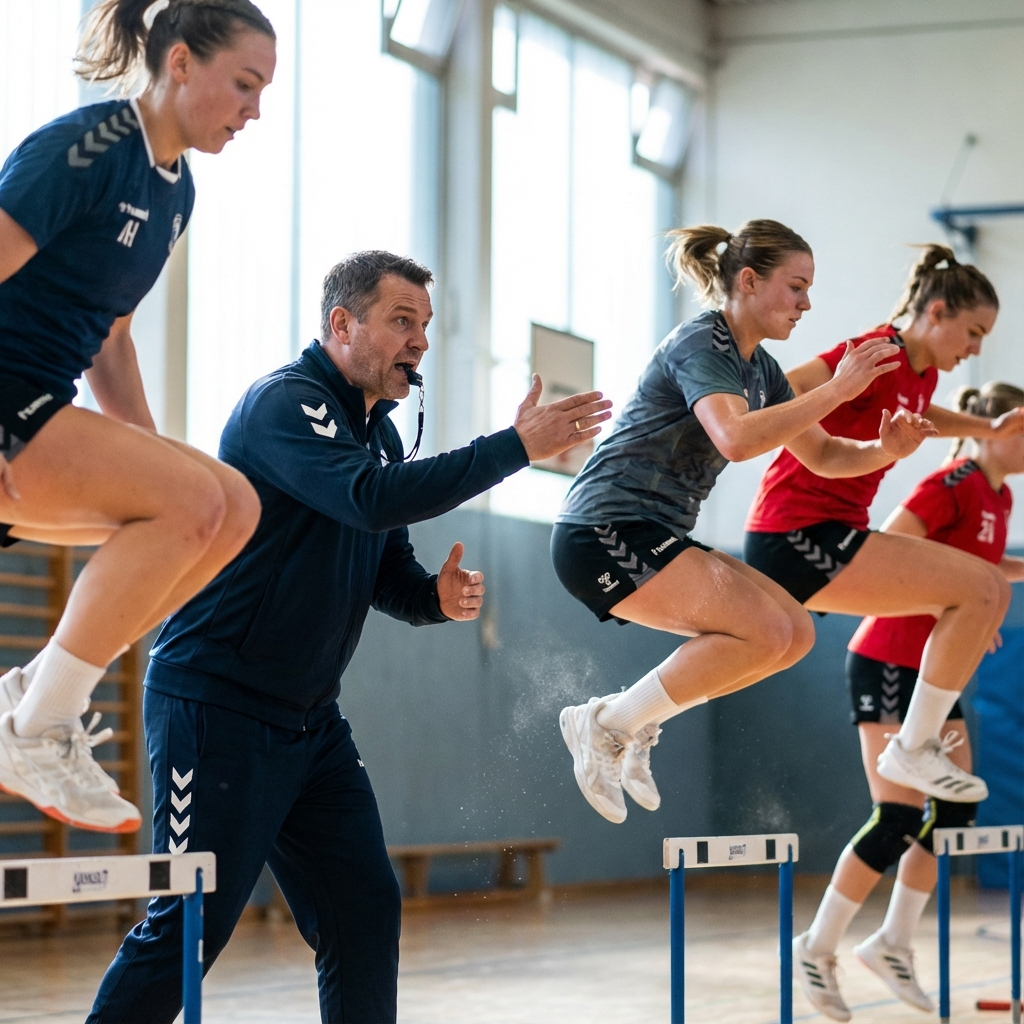
Handball demands explosive power, repeated sprint ability, and the strength to compete physically for 60 minutes. Sport-specific conditioning develops the athletic qualities that underpin elite performance.


Register for FREE and get coaching tips, top drills, session and more every week!