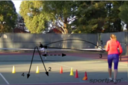
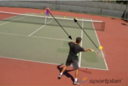
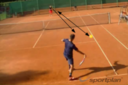
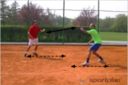
The coach serves wide from ad side. The player hits backhand return cross-court and starts the rally in cross-court direction.
Cross-court rallies are known in tennis practice for ages but every drill can be more effective if there are goals set for this activity. Making players understand why they perform given drill is a must to build a relationship needed for successful coaching, as well as also making players more involved in the exercise.
In this drill, the player works on return and consistency. Performing backhand return cross-court before the rally in the same direction is a great way to work on basics of tennis. Being able to rally consistently in this direction is a must to stay in the point in singles as also to avoid net opponent in doubles. To make it more competitive, the coach can set some zones to hit into, so players don't get bored after few minutes of many repetitions.
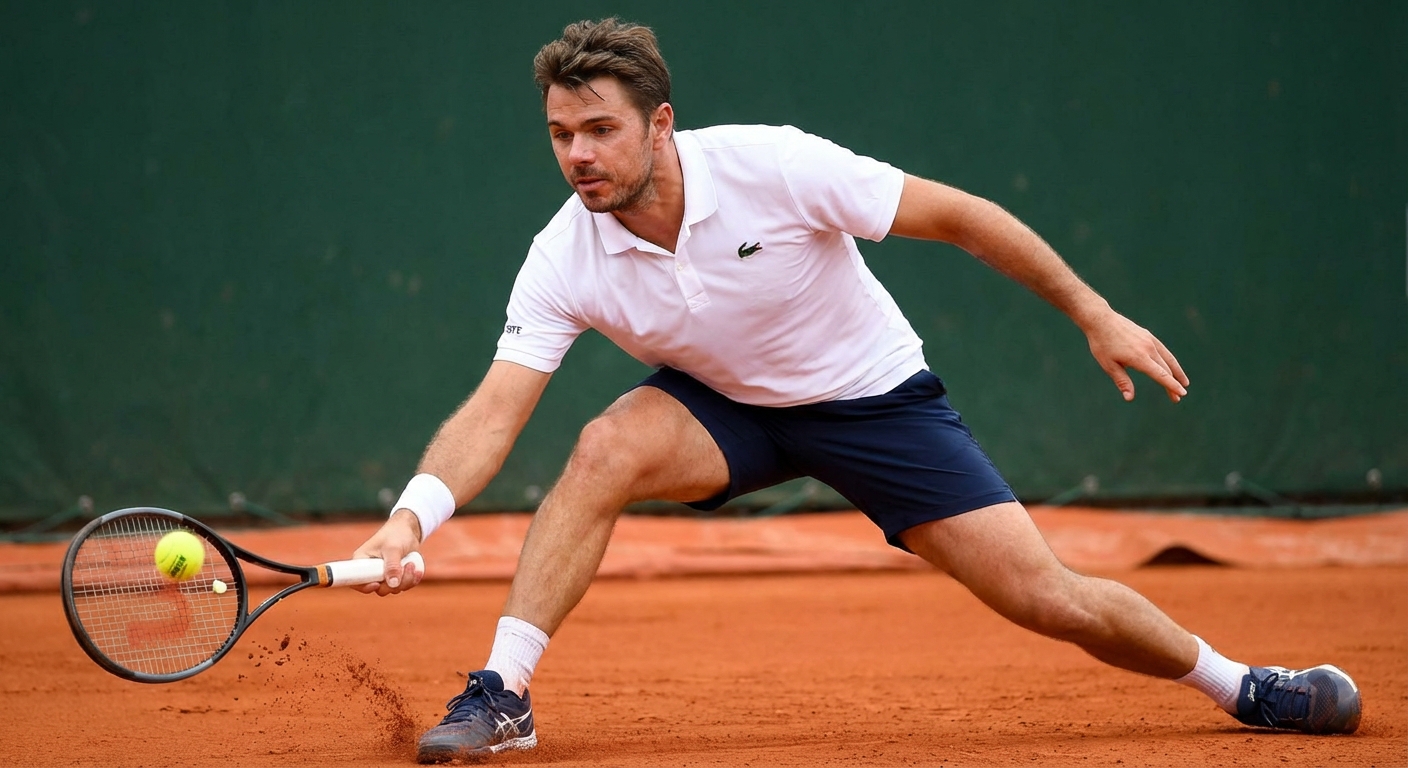
The slice backhand is experiencing a renaissance in modern tennis, valued for its ability to change pace, create approach opportunities, and neutralise powerful opponents. This guide breaks down the technique, tactical applications, and training progressions coaches need to develop this essential shot at every level.
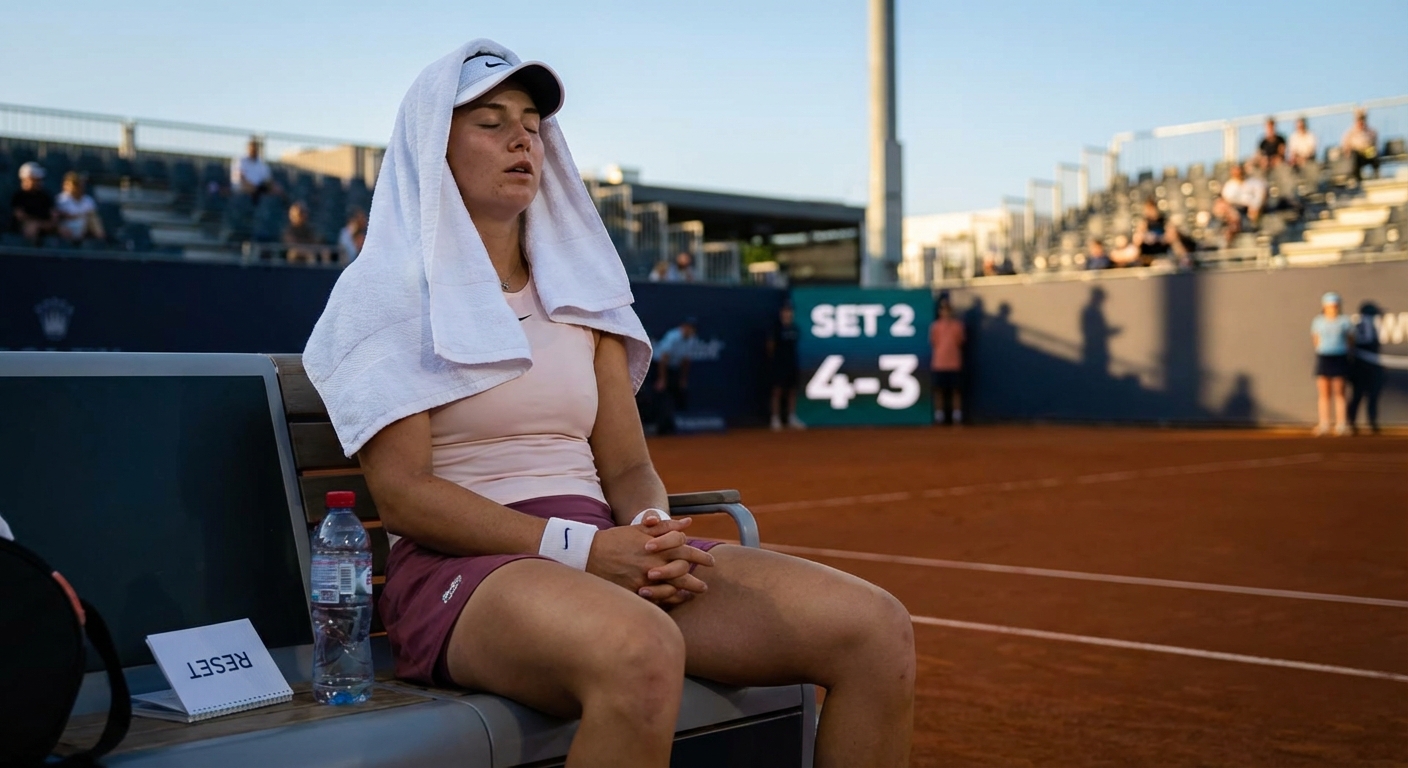
The 90 seconds of a changeover can determine the outcome of a tennis match. This article explores structured changeover routines that help players process the previous game, regulate emotions, and plan tactically for the next game - skills that separate consistent performers from talented underachievers.
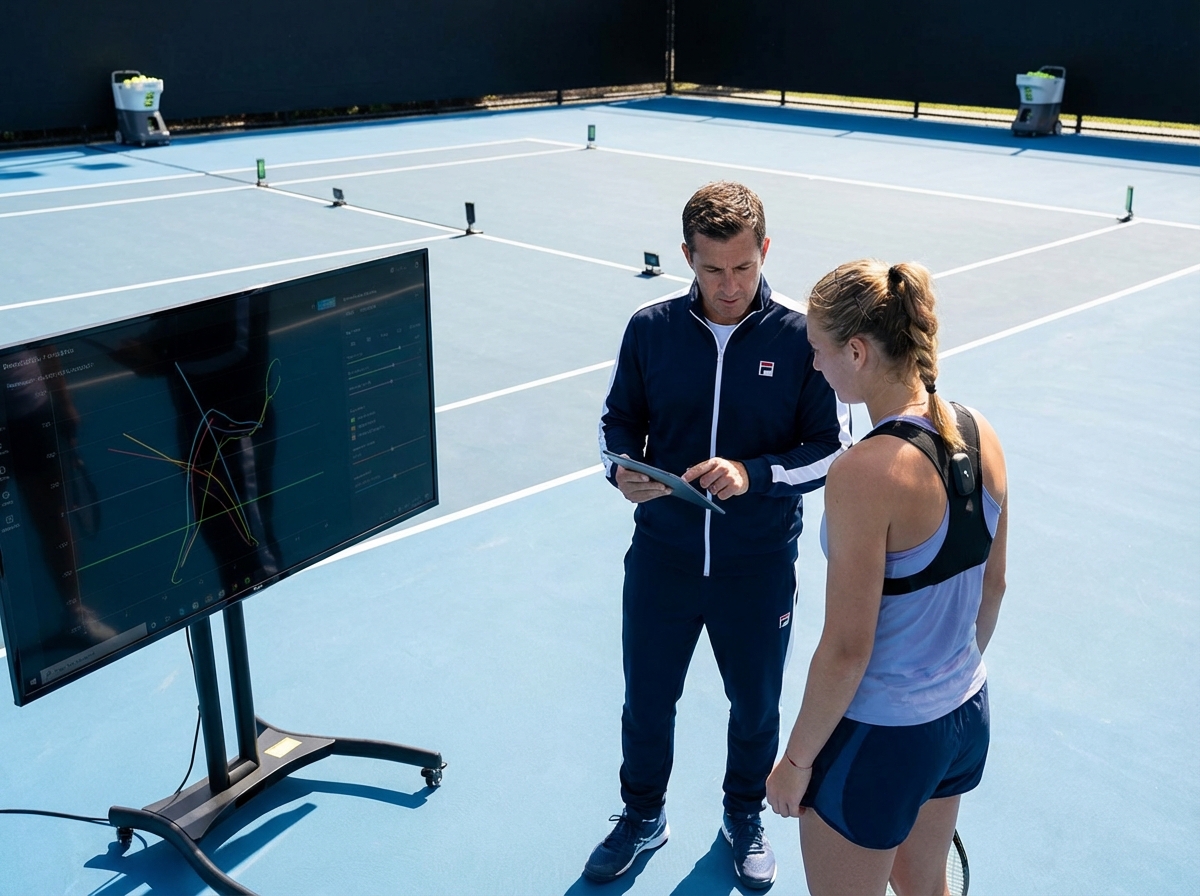
From sensor-equipped rackets to AI-powered coaching, technology is making tennis training more precise than ever. Here's what actually works.


Register for FREE and get coaching tips, top drills, session and more every week!