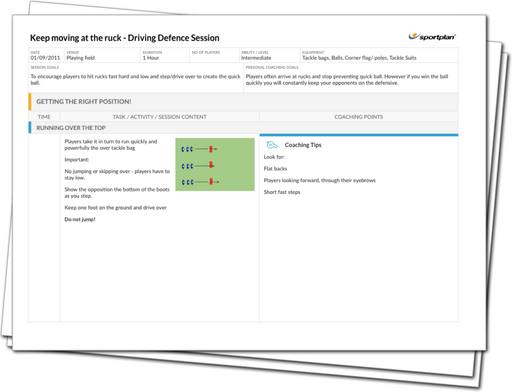
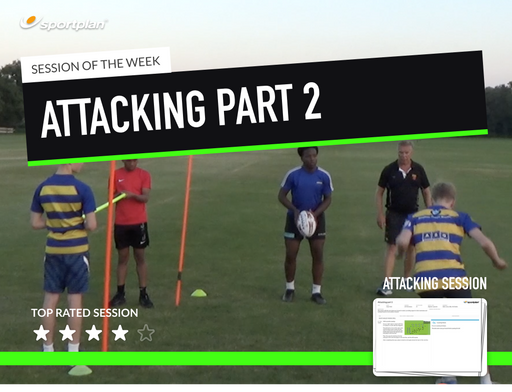
The harder your players hit, the further back you'll push the opposition - meaning that your side has more time to set up and prepare to continue going forwards whilst the opposition are back pedalling, trying to go through the gate in order to join the ruck.
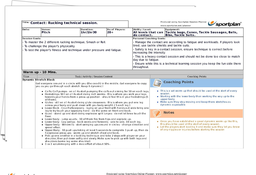
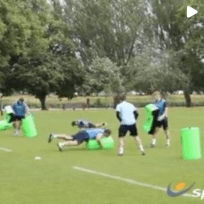
To get the technique down we start this session with a couple of correct running exercises - forcing your players to get into the right body position by running (not jumping) over some flat tackle bags before then bringing in an extra element to ensure they're looking through their brows, with a flat back as they take their short, fast steps.
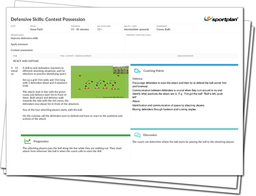
After reinforcing the correct running position we get down to business, practising how to force the opposition back into their own territory to present the ball quicker for your backs. Once they have the ball in hand it's time to rebuild and continue the attack!
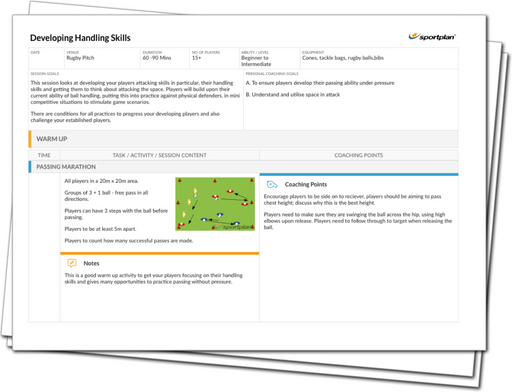
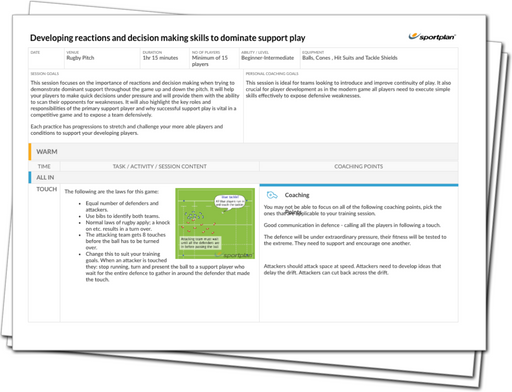
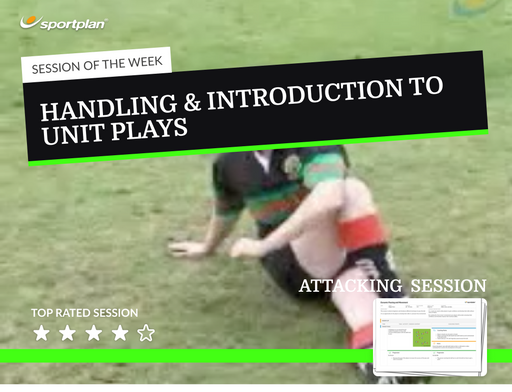
To help cement this idea and encourage your players to contest the ball quickly we've incorporated a couple of conditioned games to put practice into play and reinforce this attacking concept.
Put your best foot forwards and drive, drive, drive!

in more ways than one
 sportplan_netball

in more ways than one
sportplan_rugby

Tacklers are aiming lower, so carriers who dip late put heads at risk. Teach footwork, a strong early body height and leg drive to win the collision safely.

The hooker's brake foot moved from trial into full law in July 2026. Here is how to coach it so your front row stays stable, legal and safe.
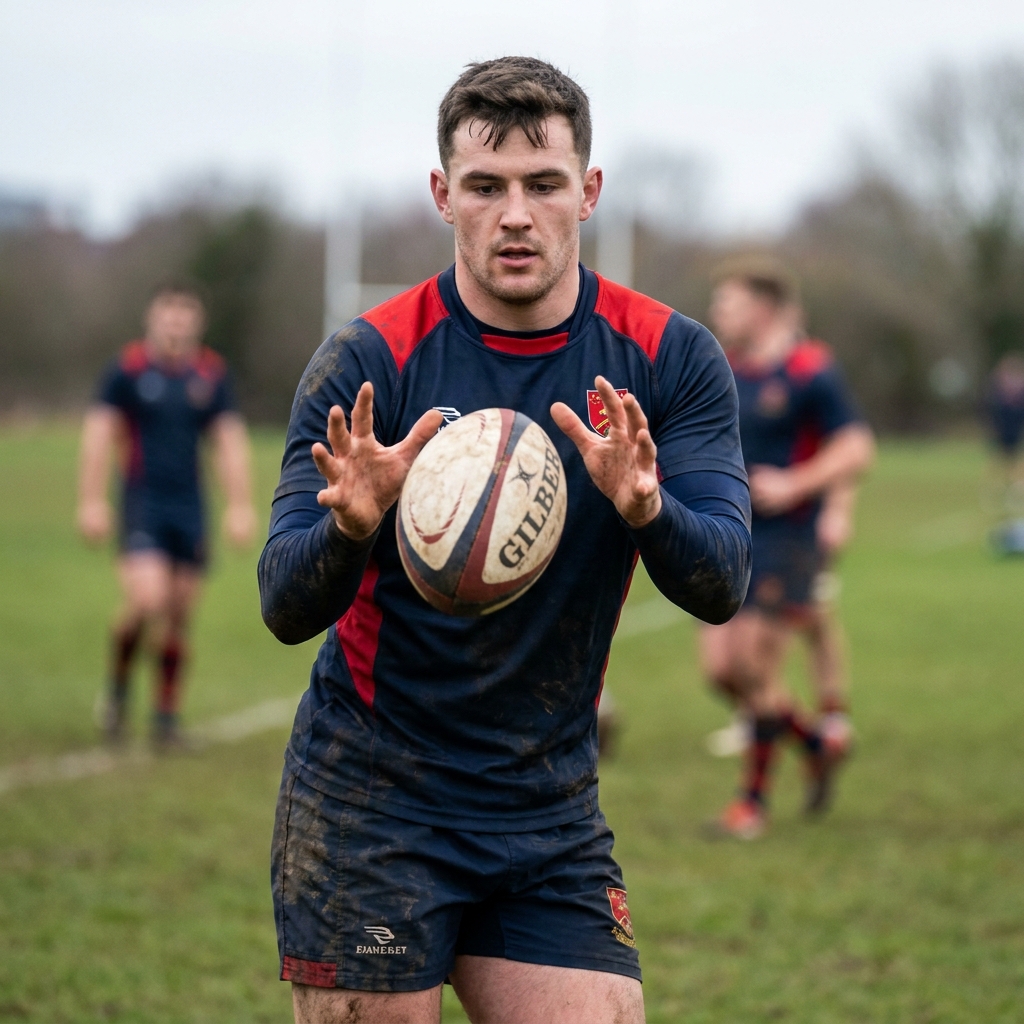
Your players can pass beautifully in a warm-up grid. Then a defender closes, their lungs are burning, and the ball goes to ground. Here is how to build catch-pass skills that hold up when it matters.