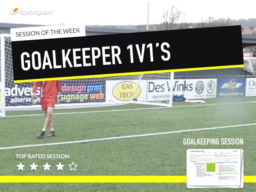
What is the session about?
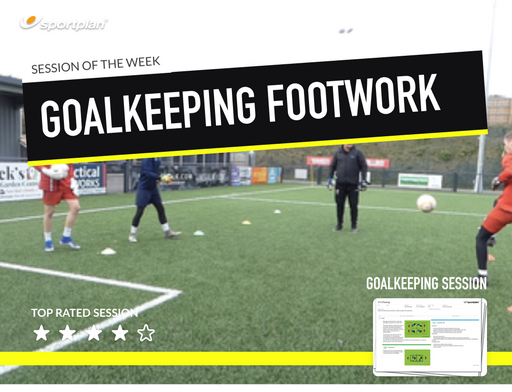
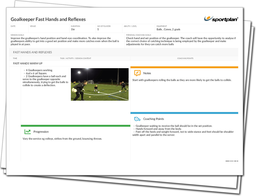
This session works on footwork to cover the goal and also we look at the good hand position and having a good platform to make the save.
How will this benefit a coach and their players?
The goalkeeper will be able to utilise various types of footwork and movements to give them a good base when the shot is played. If footwork is good then they can get themselves into positions to make saves easier as they then only need to concentrate on the hand position and correct technique.
What key skills will be worked on in this session?
The session works on making saves after performing footwork and sometimes out of position. The session works on movement and making small steps and adjustments to footwork to be able to deal with shots.
Is there a specific age group for this session to be aimed at? If so, what age group and why?
These movement sessions can be tailored to any age or ability. With older more accomplished goalkeepers the number of repetitions can be increased. These sessions can be used with larger numbers of goalkeepers as they can rotate positions and perform the service to keep all players involved.
Can you name an exercise which is particularly key to this session?
The final drill allows the coach to see if the goalkeeper is in a position to make a save despite being out of position. The combination drill allows multiple goalkeepers to be involved in the session and can be adapted easily to make the session more physical.

in more ways than one
 sportplan_netball



in more ways than one
sportplan_football
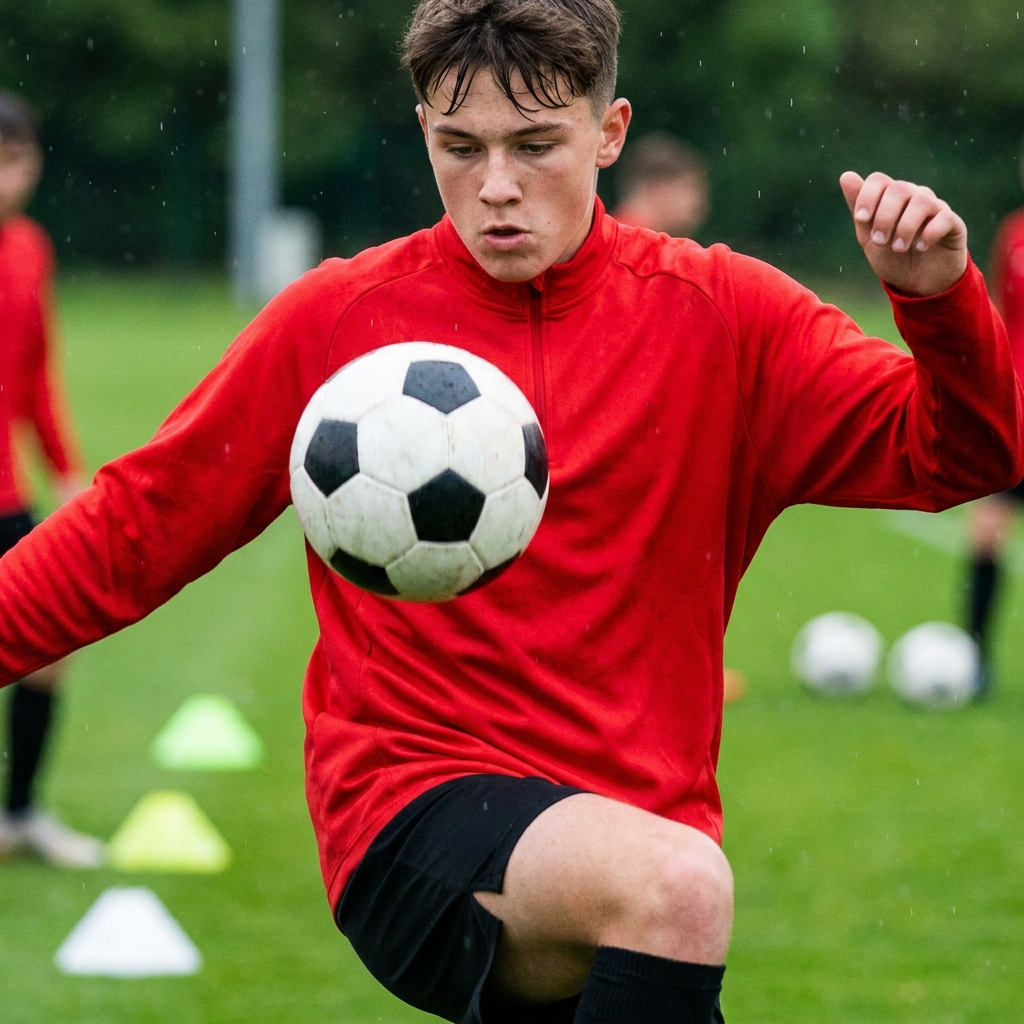
Deliberate heading is now out of U11 grassroots matches. Here is how to coach chest, thigh and foot control so your players still win the ball in the air.
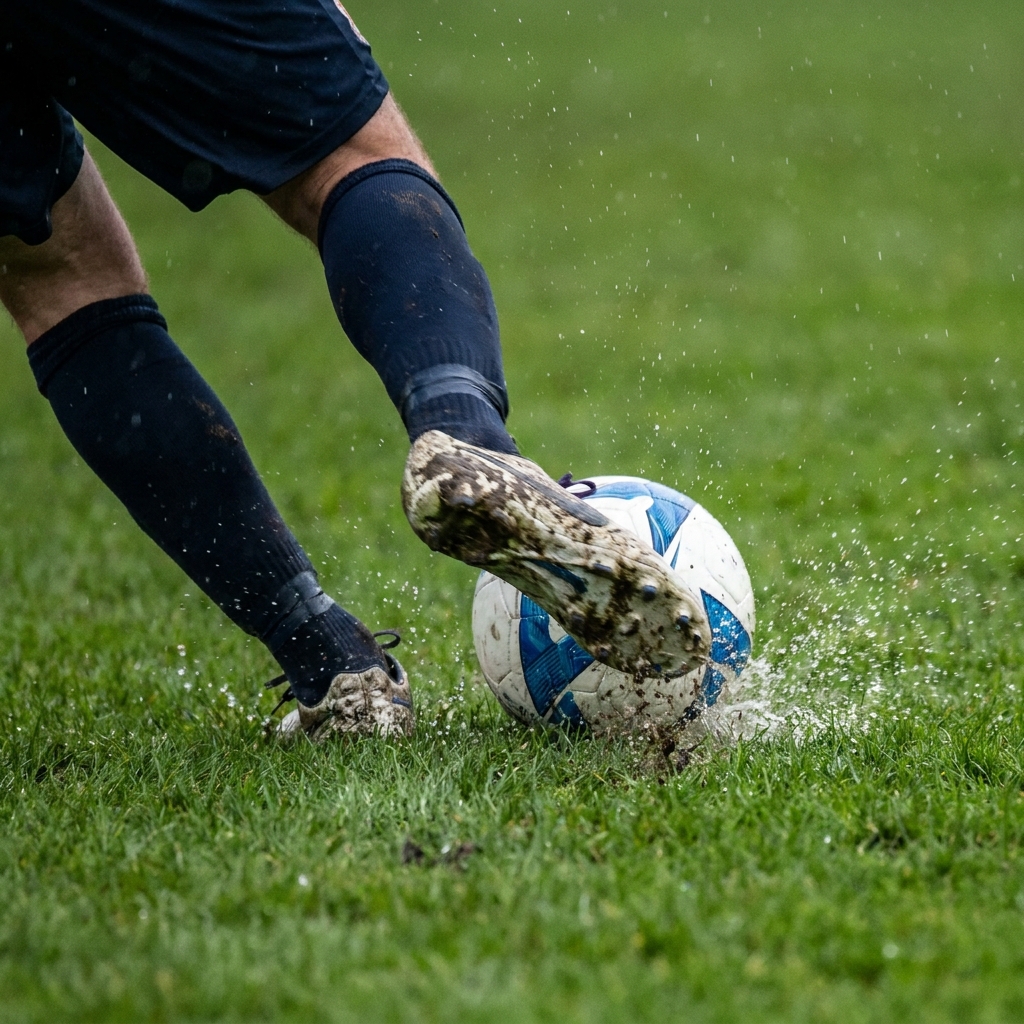
Long-range goals doubled at the 2026 World Cup as teams sat deep. Here is how to coach when to shoot from distance, the technique, and the follow-up.
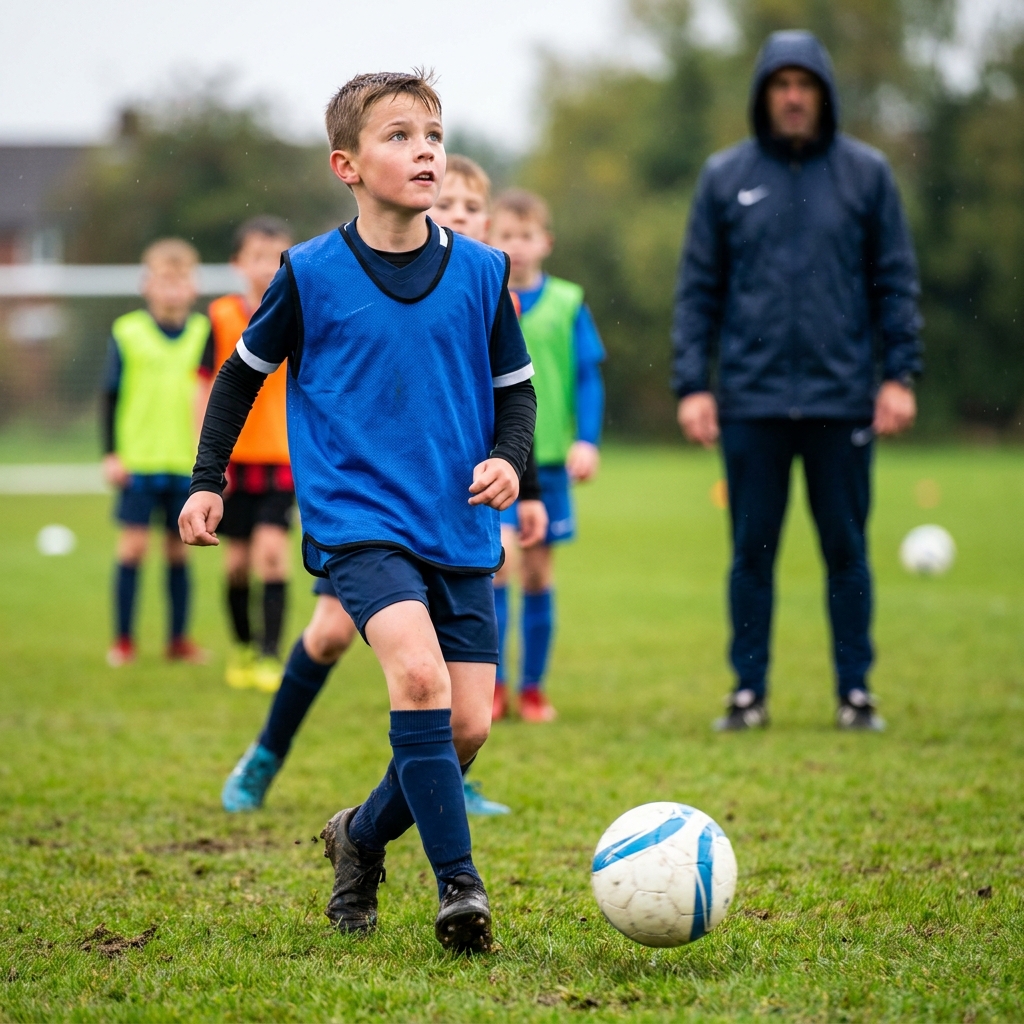
Under FutureFit, your Under-9s stay at 5v5, your Under-11s stay at 7v7 and your Under-13s stay at 9v9. Same pitch, same numbers, one more year. Here is how to make sure that year feels like a step forward rather than a repeat.