Working on your attack this session aims to improve your crosser's accuracy as they pick their spot inside the opposition's penalty box and ensure your attackers are able to pounce onto the ball and put away their chances!
A cross by definition is the delivery of a ball via various kicking techniques from either side of the field across the front of the goal and is used by wingers (such as Walcott and Beckham) to create goal-scoring opportunities. However, as the rather strange proverb goes; there's more than one way to skin a cat - and the same applies to crossing - players can vary their delivery in a huge number of ways: Chipped ball, inswinger, outswinger, low and driven, high and floated...
No matter what sort of cross your players prefer the key is that they're able to create space down the wings and flood the box so that when the ball is played they're in a position to attack and get the goal! In particular this session aims to work on your team's attack but defenders needn't worry, they'll be given their chance to shine too as they'll be trying to clear their lines and head to safety!
in more ways than one
 sportplan_netball


in more ways than one
sportplan_football

Under FutureFit, your Under-9s stay at 5v5, your Under-11s stay at 7v7 and your Under-13s stay at 9v9. Same pitch, same numbers, one more year. Here is how to make sure that year feels like a step forward rather than a repeat.
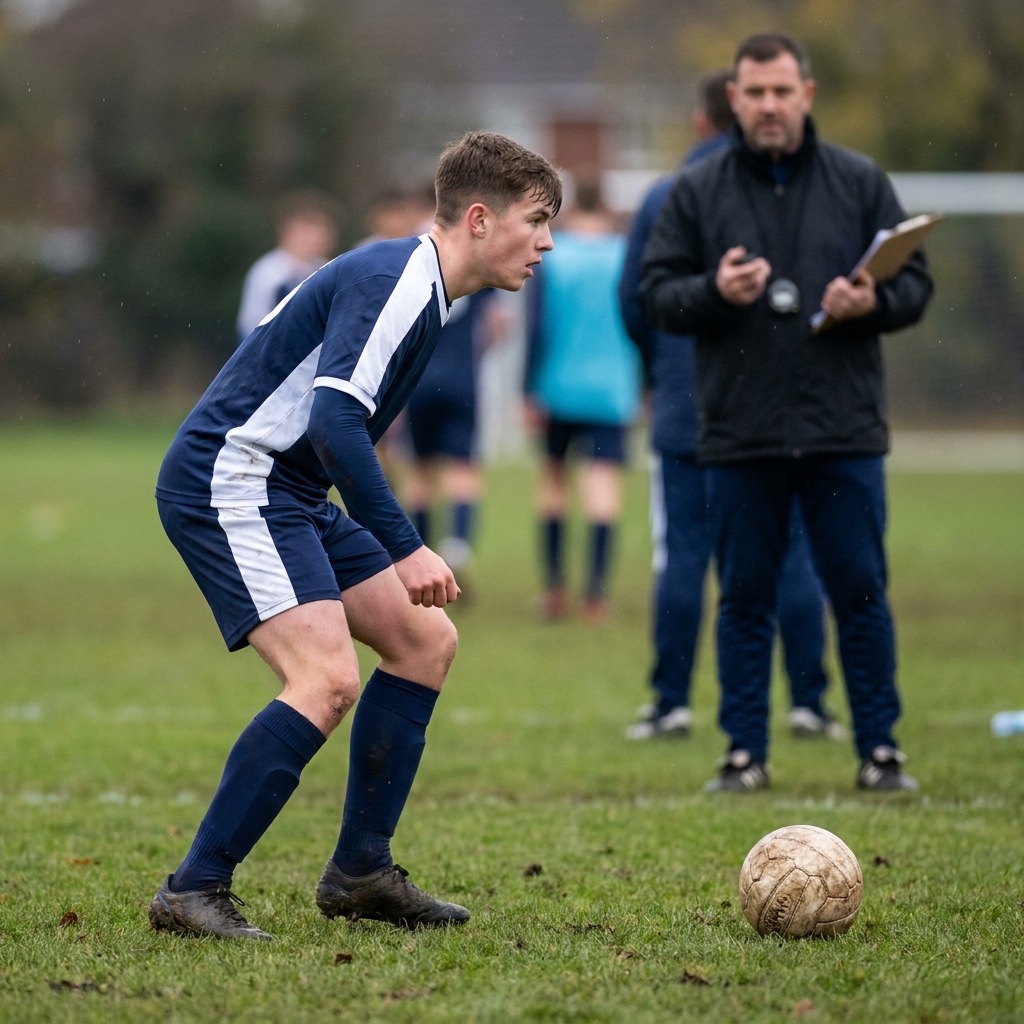
Most 1v1s are lost in the first second, when the defender rushes in and dives. Teach your players to slow the attacker down, take away the dangerous option and pick the right moment, and they will win far more of them.

The FA's FutureFit framework lands this season, bringing a 3v3 entry format at Under-7s. Here is what actually changes on a Saturday morning, and how to coach it well.