Why did I write this Session?

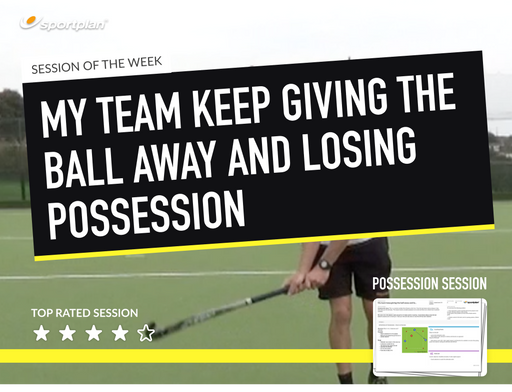
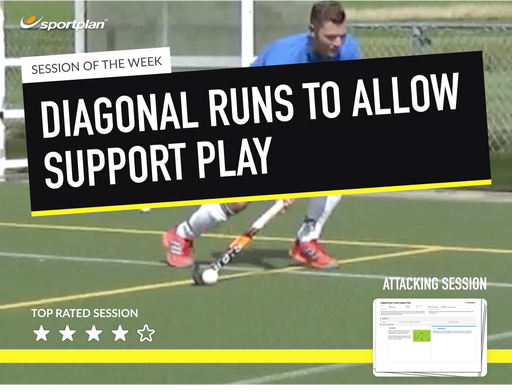
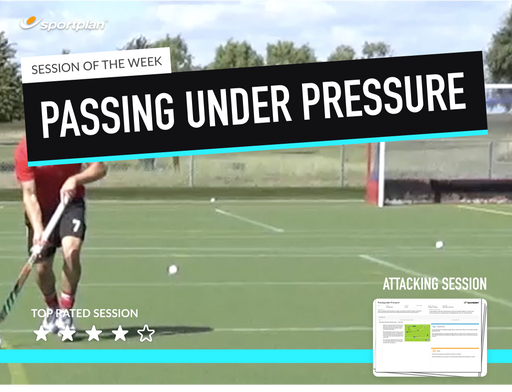
Last week my team was keeping possession well but every time they had a break opportunity the ball was lost on a bad pass. Most the time the ball was being passed before the defender had been eliminated, which made the interception all too easy for the defender.
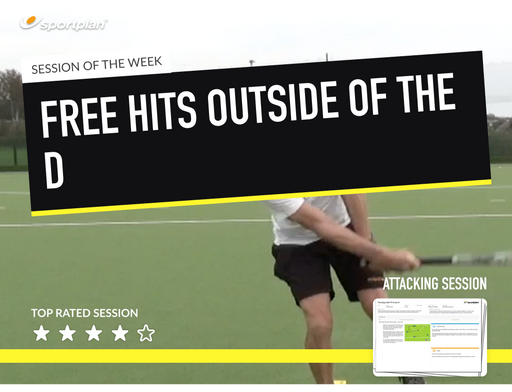
When we did get opportunities in the D my players were taking too long to shoot, giving defenders the opportunity to win the ball."
How does this Session work?
So we split the team into 3 groups and set out 3 practices, groups rotate after 20 minutes at each station, and work on their 2v1 skill and shooting under pressure.
The aim of stations 1 and 2 are to get your players to take the defender out of the game before passing to the support player in space. Station 3 improves the speed of shot, to help players get their shots off before the opposition's defenders can make an interception.
Use this session to imrpove your team's success in the attacking third!

in more ways than one
 sportplan_netball



in more ways than one
sportplan_hockey

A few weeks into the league season, poor first touches are costing teams the ball. Coach body shape, scanning and receiving on the move to keep possession.

Pre-season fitness fades fast once the league starts. Build conditioning into ball work and use rolling subs well to keep your squad sharp all season.

The first weeks of the season decide whether a junior or new player sticks with adult hockey. Here is how to keep them safe, give them a clear job and build their confidence from the very first bully.