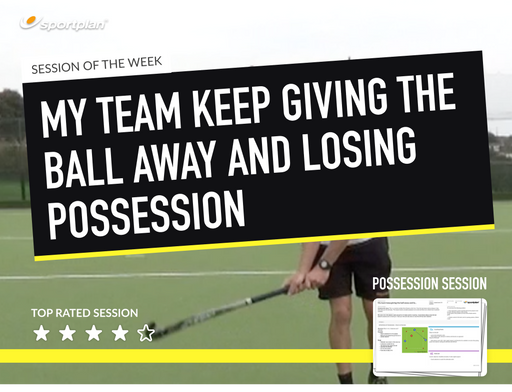
Your players don't have eyes in the back of their head, but that shouldn't stop them from knowing when they're open and when they're marked.
To ensure players know when they've got time on the ball and when they don't, this session works on receiving the ball, scanning using your peripheral vision and turning out with their first touch, away from the defender, into the space.
What's in the session?
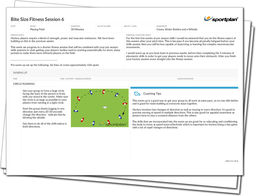
To help your players avoid running straight onto a defender's open stick this session starts slowly with a turning warm up and then gradually builds the intensity. By adding an extra pressure through conditioned games, this plan gets players to think about who's around them, and ensure they are always looking up - spotting outlets and being aware of the opposition's positioning.

in more ways than one
 sportplan_netball



in more ways than one
sportplan_hockey

A few weeks into the league season, poor first touches are costing teams the ball. Coach body shape, scanning and receiving on the move to keep possession.

Pre-season fitness fades fast once the league starts. Build conditioning into ball work and use rolling subs well to keep your squad sharp all season.

The first weeks of the season decide whether a junior or new player sticks with adult hockey. Here is how to keep them safe, give them a clear job and build their confidence from the very first bully.