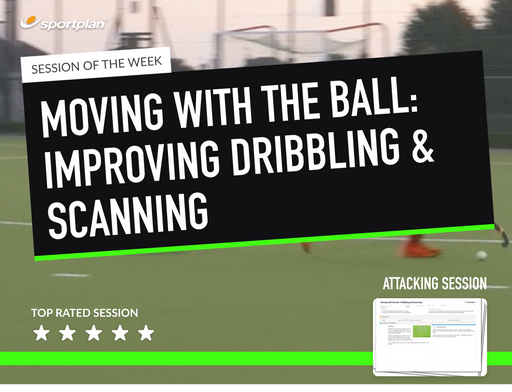
Hockey is a fast game and you're never stood still either on the ball or off it. Being able to move with the ball and see the rest of the pitch is a hugely important skill that needs to be developed early on.
Develop your young or intermediate players into ultimate distributors who are constantly scanning the field whilst on the ball. This session encourages players to establish the correct posture whilst on the ball so that they can perform the skill successfully and without injury. It then progresses on through possession in tight areas, to moving with the ball to create a shot, before culminating in conditioned games to put the players movement and vision to the test. By the end of the session, the players will be comfortable on the ball across the field, looking for passes and space to penetrate.
Hockey isn't a game for those who like a slower pace. As a hockey player, it's paramount that you are aware of who is around you and where you can pass; so turn your players into maestro's on the ball with this constructive session.

in more ways than one
 sportplan_netball



in more ways than one
sportplan_hockey

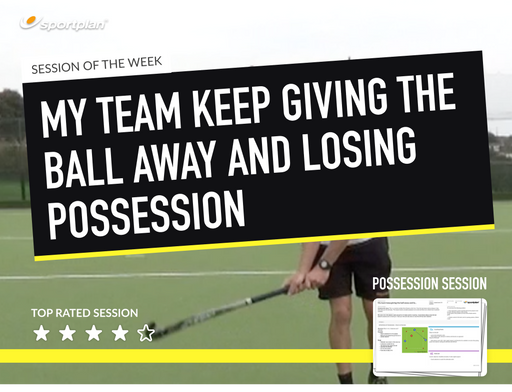
A few weeks into the league season, poor first touches are costing teams the ball. Coach body shape, scanning and receiving on the move to keep possession.

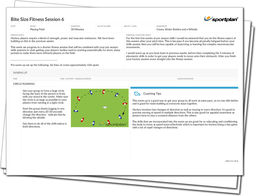
Pre-season fitness fades fast once the league starts. Build conditioning into ball work and use rolling subs well to keep your squad sharp all season.

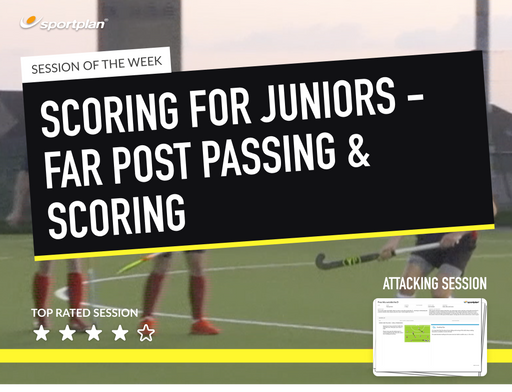
The first weeks of the season decide whether a junior or new player sticks with adult hockey. Here is how to keep them safe, give them a clear job and build their confidence from the very first bully.