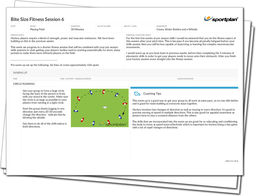
We're all desperate to get back into training! When you next step out onto the pitch, it?s likely that you?re going to need to adapt your session slightly to ensure your observing distancing and safety guidelines where possible. That's why we've created this session to help you out!
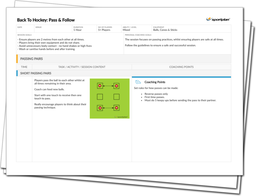
To ensure players keep their distance and they are able to visualise the distance they are expected to adhere too, set out cones or discs to create an 'individual playing square'. All playing squares should be at least 2 meters apart.
What's in the Session?
It's always nice to ease back into it! Begin with players in pairs, passing the ball to one another from their playing square to get a feel for the ball again.
Start to get players moving by following their pass in an unopposed passing square or formation. Try passing sequences to test your players timing and execution.
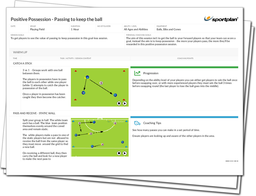
Make things interesting and put some extra pressure on the accuracy of those passes! Still maintaining the individual playing squares, introduce a defenders area in the middle so it's now a 4 v 1.

in more ways than one
 sportplan_netball



in more ways than one
sportplan_hockey

A few weeks into the league season, poor first touches are costing teams the ball. Coach body shape, scanning and receiving on the move to keep possession.

Pre-season fitness fades fast once the league starts. Build conditioning into ball work and use rolling subs well to keep your squad sharp all season.

The first weeks of the season decide whether a junior or new player sticks with adult hockey. Here is how to keep them safe, give them a clear job and build their confidence from the very first bully.