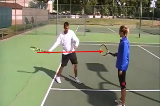
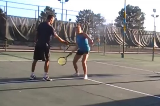
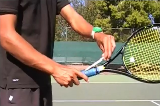
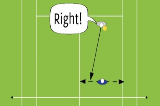
Player imitates forehand stroke, focussing on taking the racquet back with the non-dominant hand.
The forehand is one of the most used strokes in tennis so proper technique is crucial to becoming a successful player. Modern tennis players take tremendous power from the body's turns.
Coaches should implement this action into every stroke; especially into groundstrokes. In this technical exercise, coach teaches player to work as a one unit. It means that turn should be executed using whole upper body. Non-dominant hand plays a primary role to facilitate the shoulder turn and to allow the dominant hand to relax before the swing.
Many players make a mistake by using a dominant hand to take a backswing which results in less power generated by upper body as also in mishitting the ball because of the early opening of the shoulders. After shadows, it is important to go through hand feed and basket drills to see improvements in more difficult situations.
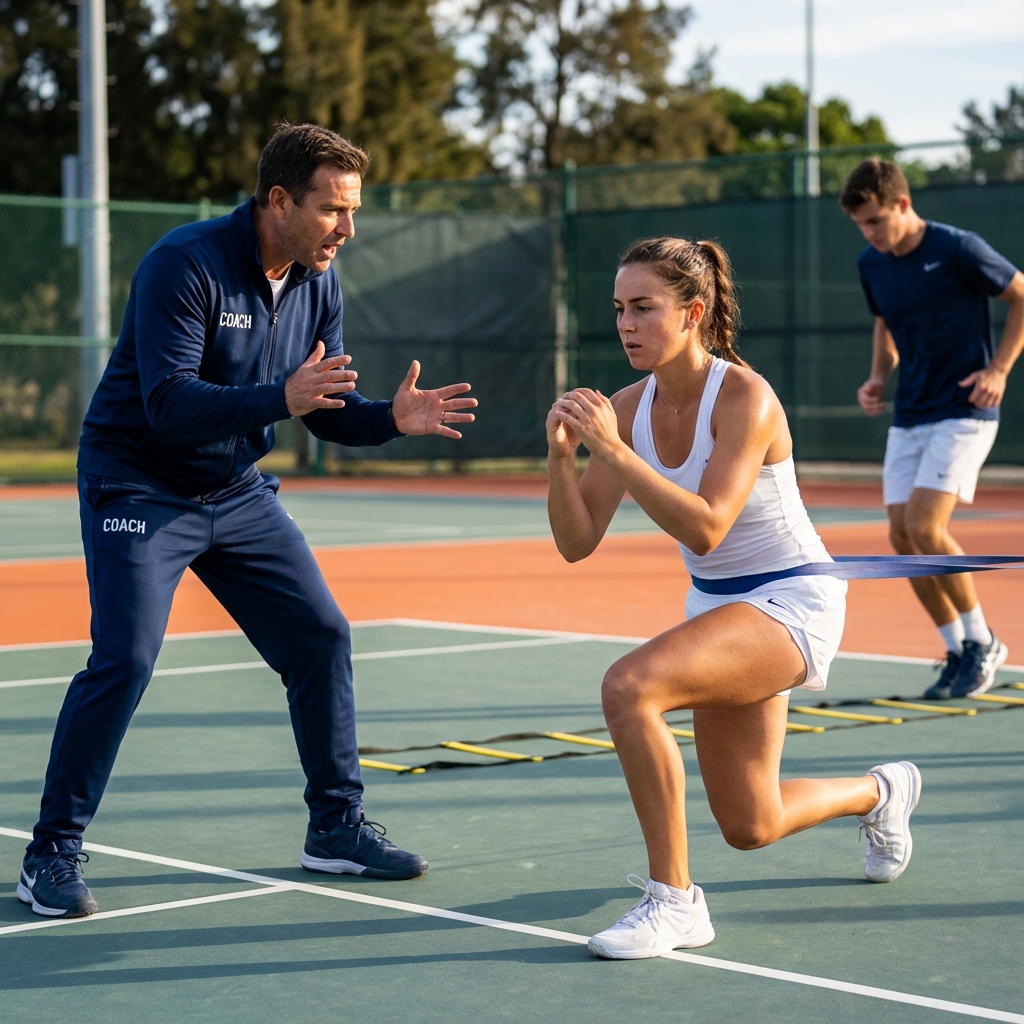
Tennis demands a unique combination of endurance, power, agility, and flexibility. Physical preparation determines how long careers last and how players perform when it matters most.
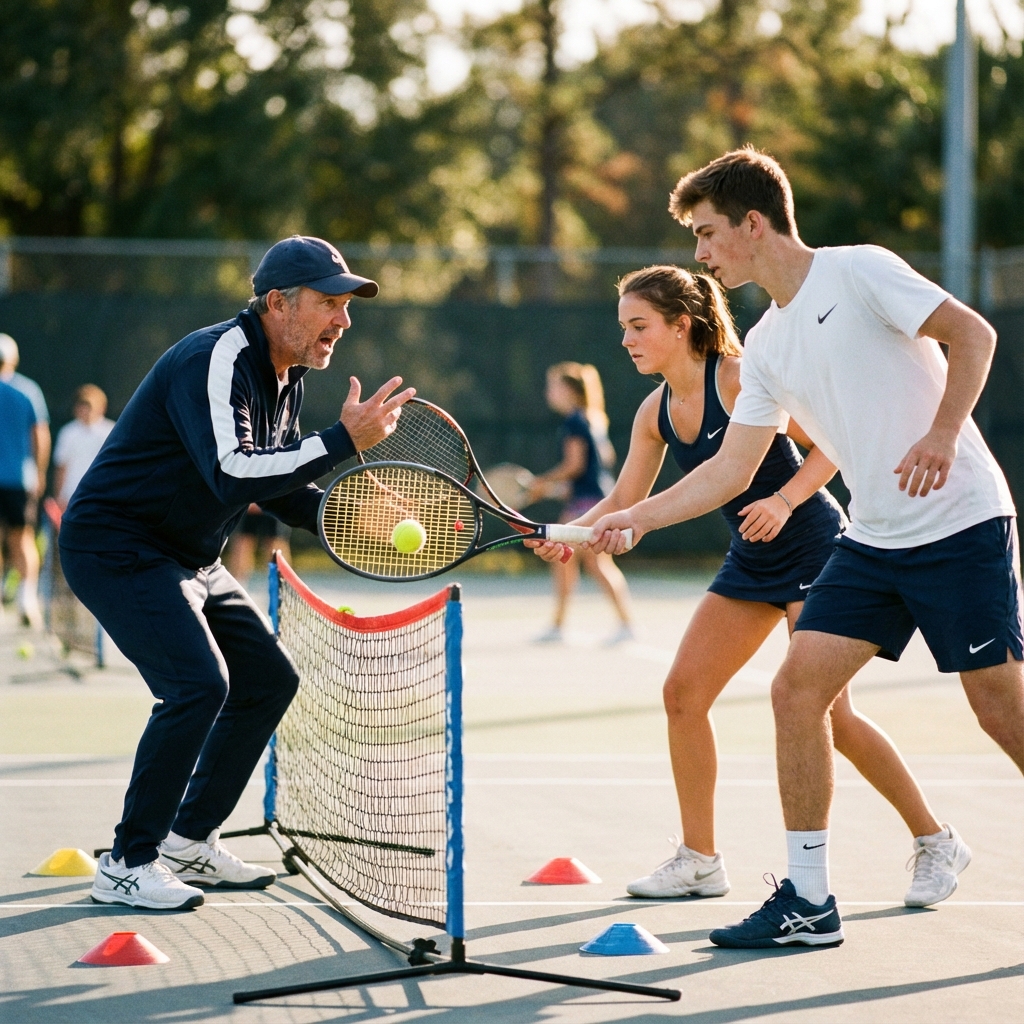
Ecological dynamics is transforming tennis coaching. This constraints-led approach develops adaptable, creative players who can solve problems in competition, not just execute drilled patterns.
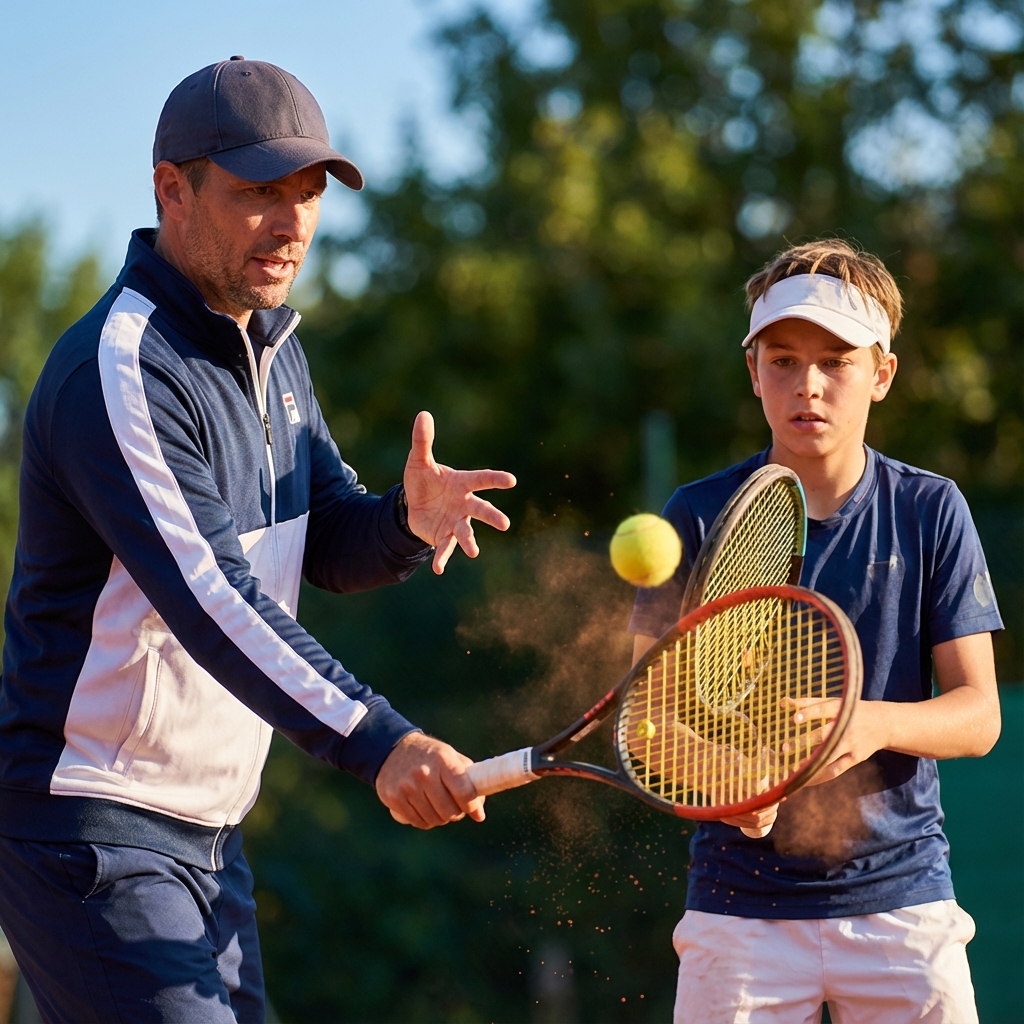
The one-handed backhand is becoming rare, but when executed well, it remains one of tennis's most elegant and effective shots. Is it a dying art or a tactical advantage?


Register for FREE and get coaching tips, top drills, session and more every week!