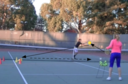
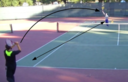
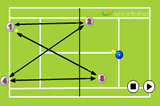
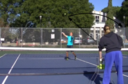
Cones mark the doubles cross-court zone and the coach then feeds balls to the deuce side. The player hits forehand cross-court and tries to make the ball in between cones and the doubles sideline.
Doubles game is completely different than singles game so players have to adjust their strokes. There are more players and the court is wider so players have to put into practice different tactical patterns. Only by practising these skills athletes are able to confidently use their skills in doubles environment to create opportunities for winning more points.
In this drill, the player works on wide forehand shots. In comparison to singles, the doubles game puts more emphasis on angle shots than on deep shots so players have to learn how to adjust their decisions. Keeping the ball close to the doubles alley keeps the net player away from the rally. To make it more challenging, the coach can move close to the centre and tries to get all the balls that are within their reach.
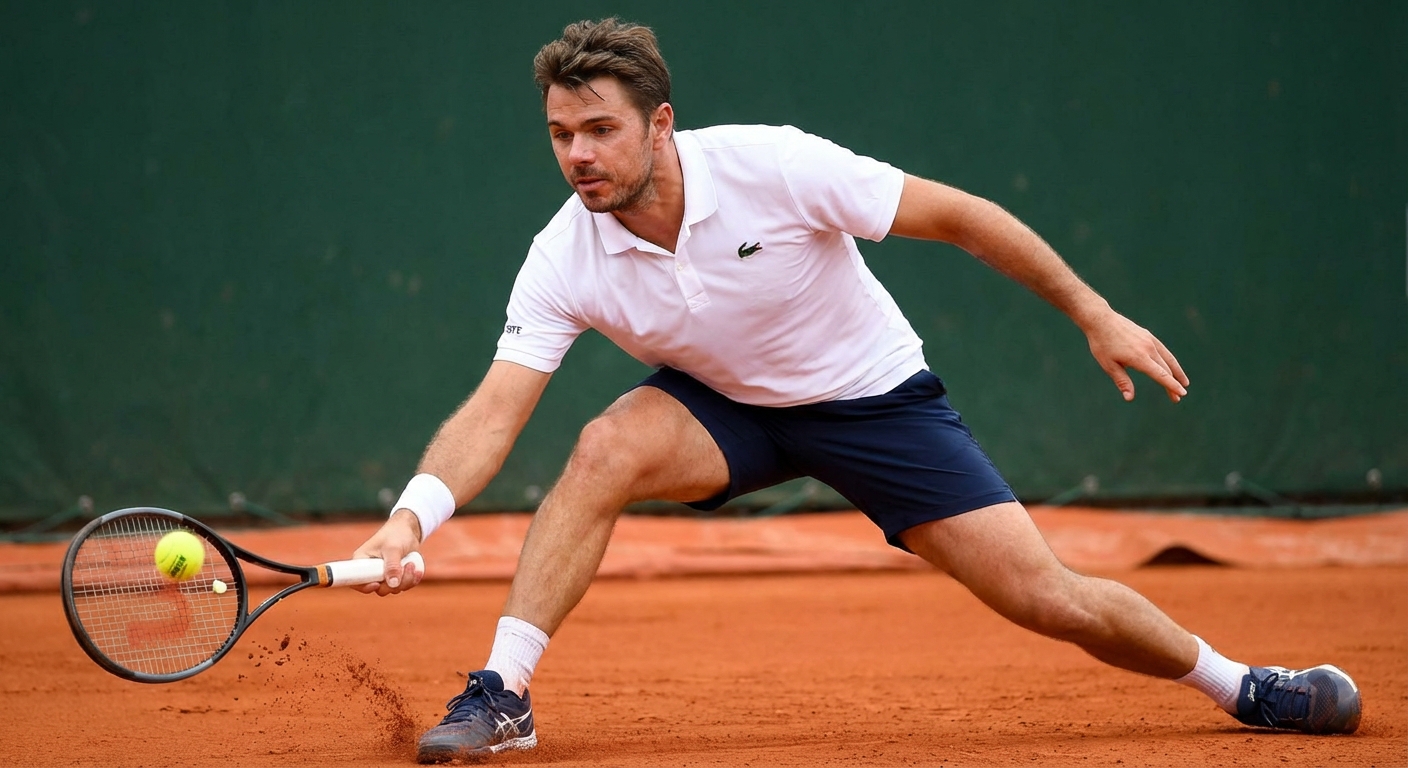
The slice backhand is experiencing a renaissance in modern tennis, valued for its ability to change pace, create approach opportunities, and neutralise powerful opponents. This guide breaks down the technique, tactical applications, and training progressions coaches need to develop this essential shot at every level.
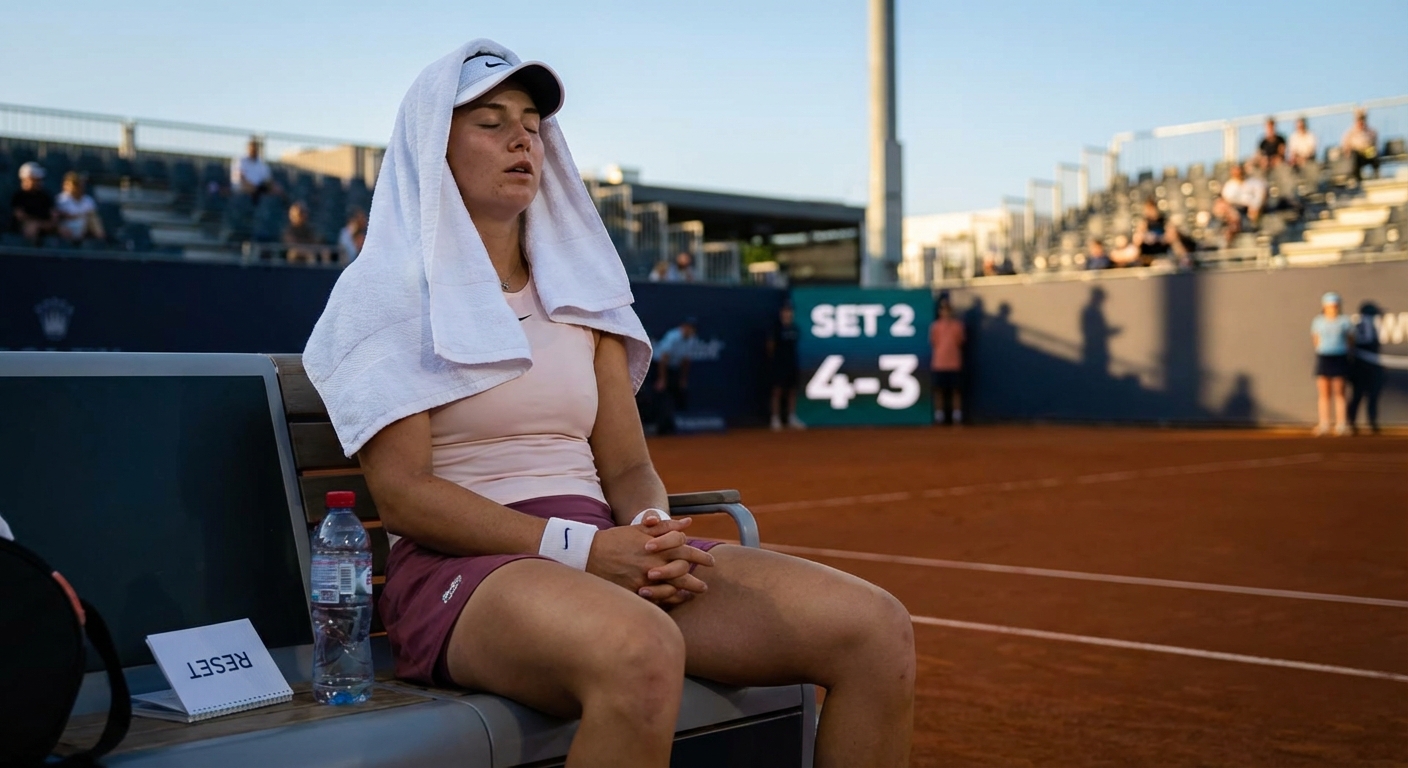
The 90 seconds of a changeover can determine the outcome of a tennis match. This article explores structured changeover routines that help players process the previous game, regulate emotions, and plan tactically for the next game - skills that separate consistent performers from talented underachievers.
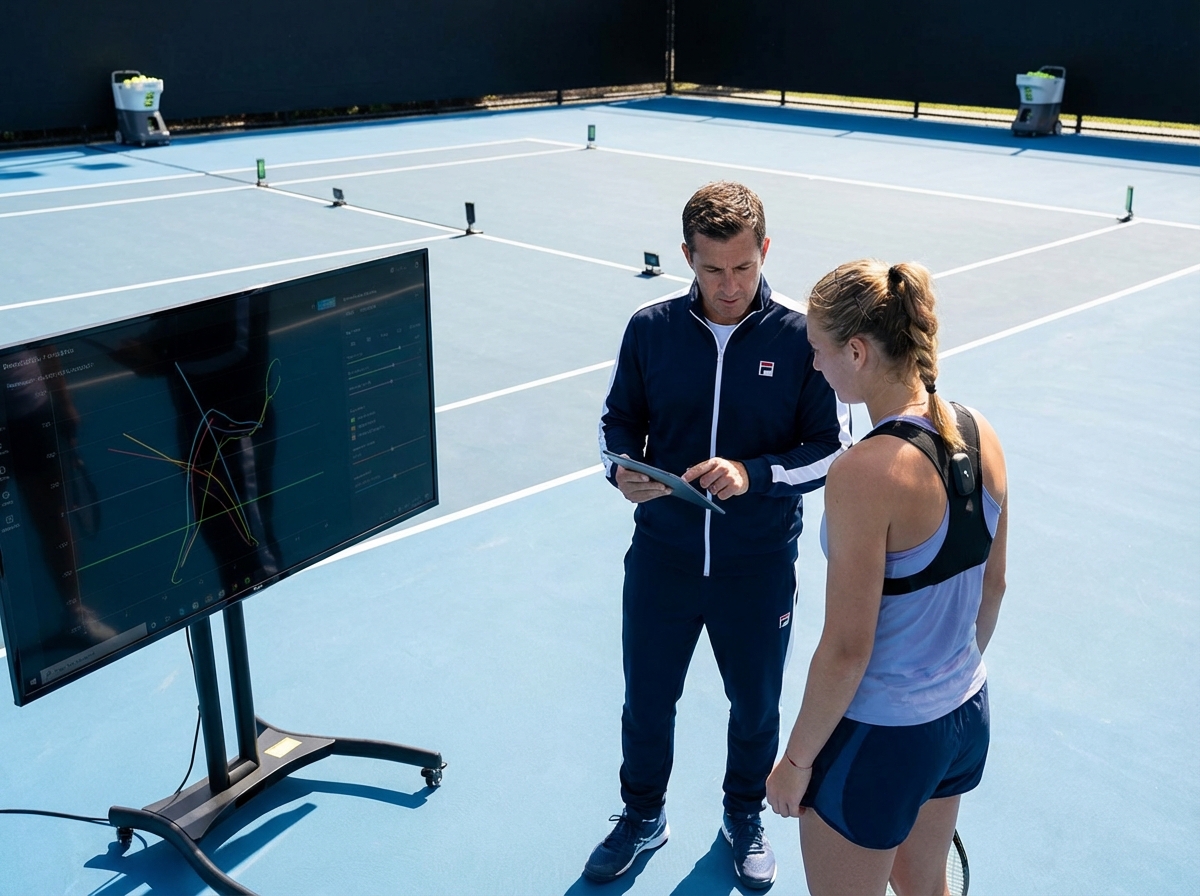
From sensor-equipped rackets to AI-powered coaching, technology is making tennis training more precise than ever. Here's what actually works.


Register for FREE and get coaching tips, top drills, session and more every week!