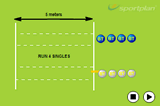
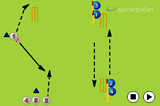
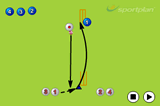
The coach blows their whistle and the batsmen set off, running between the wicket. One the coach's second whistle, the fielder will chase the ball and throw it to the wicket keeper attempting to run the batting pair out.
The pairs that are running must call and decide how many runs to undertake. Rotate the group so each player fields and bats, and change the wicket keeper if needed.
Run the drill with speed so all players are involved in the rotation.
Demonstrate effective running and calling if needed.
Looking for correct and decisive calls/communication. Correct hand grips for running between the wickets.
Change the amount of time between the two whistles - to allow longer running/clear calling.
Replicate a match situation running.
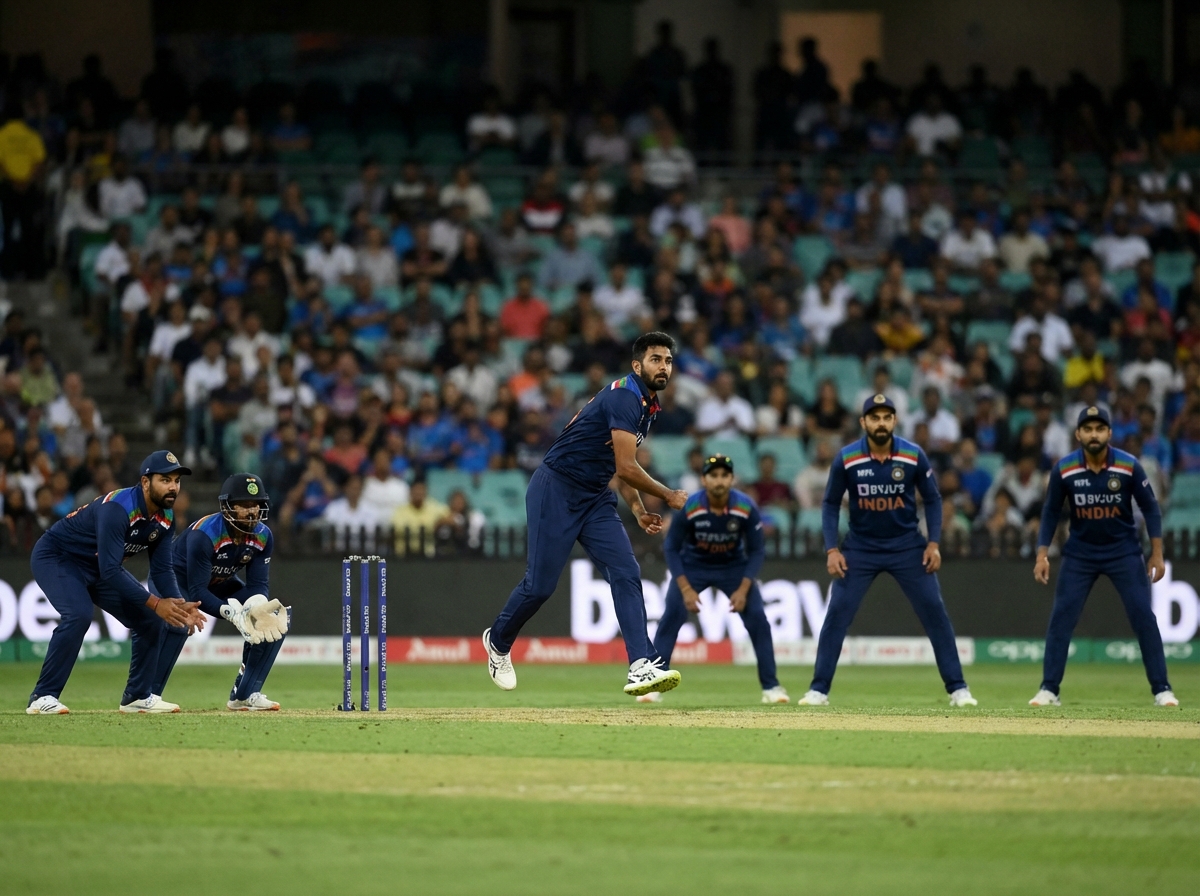
With IPL 2026 starting this month, we break down the art of powerplay bowling - field placement, line and length, and how to turn the fielding restrictions to your advantage.
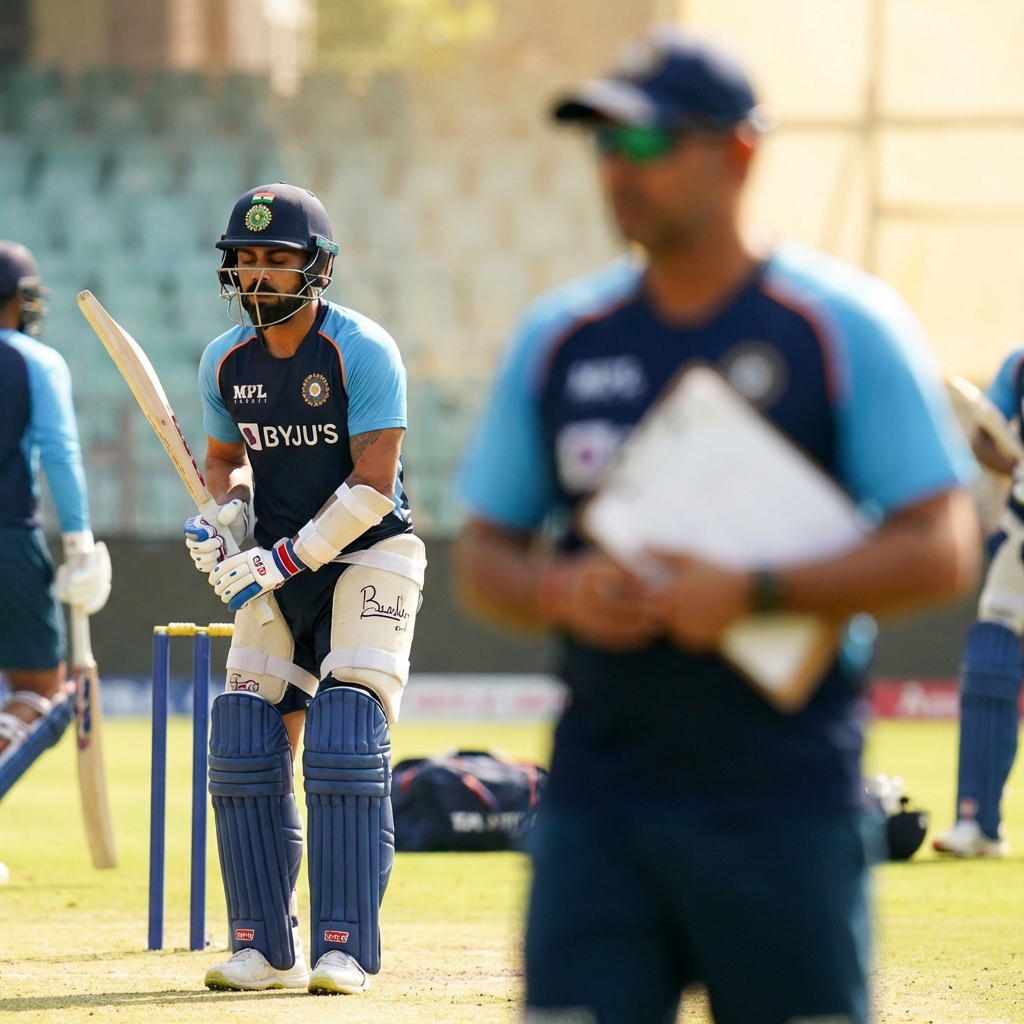
The 15-second routine that separates good players from great ones. Mental awareness is the new fitness metric for 2026 cricket.
The biggest T20 World Cup ever, historic qualifications, and evolving playing conditions make 2026 a landmark year for cricket. Here's what coaches need to know.


Register for FREE and get coaching tips, top drills, session and more every week!