The End of the Flop Era
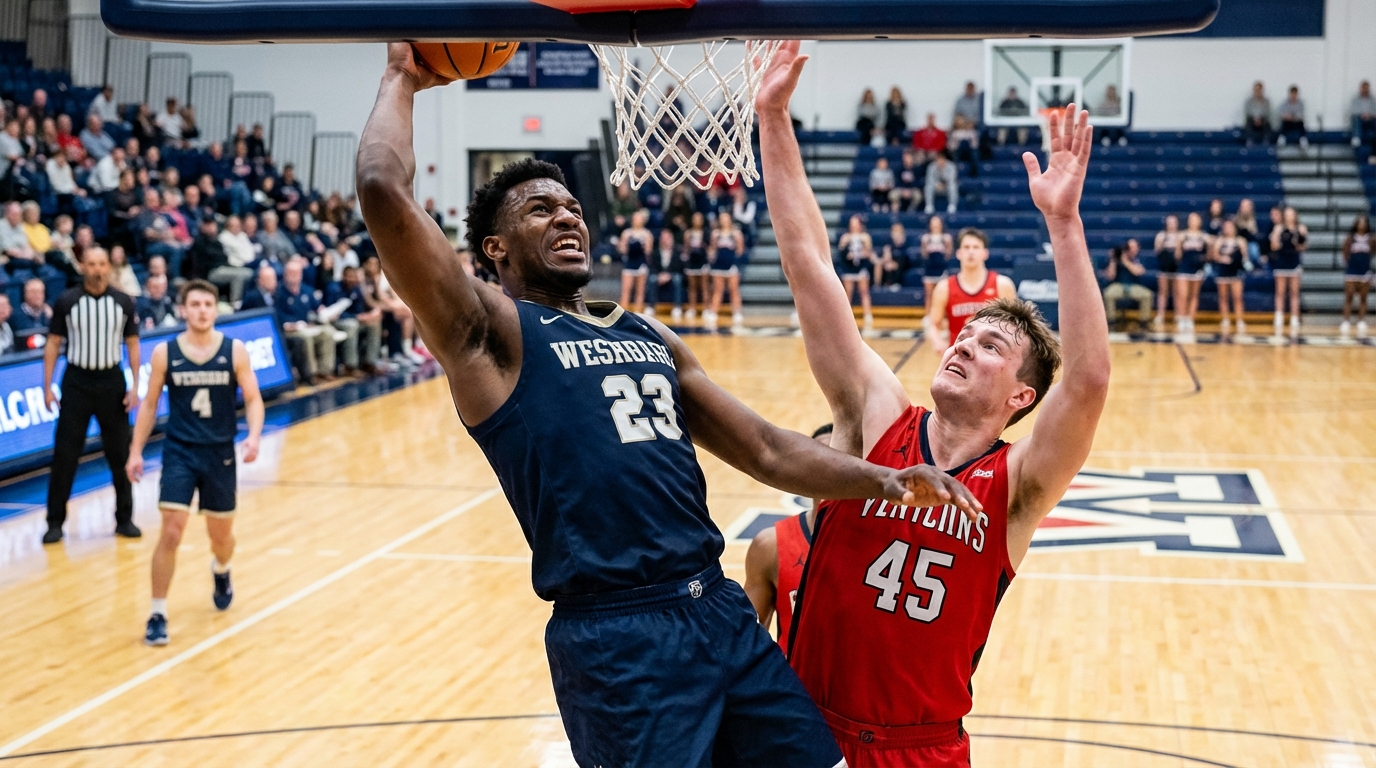
For years, basketball rewarded deception as much as skill. Players perfected the art of snapping their heads back, throwing their arms wide, and crumpling to the floor on minimal contact. Drawing charges became a defensive tactic taught at every level. Offensive players learned to initiate contact and then sell it rather than finish through it.
That era is ending. The NBA's enhanced anti-flopping penalties, FIBA's stricter officiating guidelines, and a growing consensus among referees worldwide mean that fake contact and exaggerated reactions are being punished rather than rewarded. For coaches, this shift demands a fundamental change in how attacking basketball is taught.
The players who thrive in 2026 and beyond will be the ones who can genuinely beat defenders, absorb real contact, and finish at the rim. The question for every coach is simple: are you developing attackers or actors?
Why Players Relied on Drawing Fouls
Drawing fouls was efficient. A player who could get to the free-throw line 8-10 times per game generated easy points without needing elite finishing skills. It slowed the game down, put opponents in foul trouble, and rewarded physicality over finesse.
At youth level, the problem was worse. Young players watched professionals initiate contact and fall down, then copied it. Instead of learning to finish through a defender's body, they learned to jump into defenders and look for the whistle. The result was a generation of players with poor finishing ability disguised by high free-throw rates.
The rule changes have exposed that gap. Players who built their game around drawing fouls are now struggling to score. Players who developed genuine finishing skills are thriving. The lesson for coaches is clear: teach real moves, not theatrical ones.
Teaching Genuine Attacking Moves
The Euro-Step
The euro-step remains one of the most effective moves in basketball because it creates space without needing contact. The first step draws the defender in one direction, the second step takes the attacker past them on the other side. It works because it exploits the defender's momentum rather than their body position.
Teach it in stages. First, the footwork without a ball. Then add the ball but no defender. Then a passive defender. Only when the footwork is automatic should players face live defence. The key coaching point: the first step must be long and convincing enough to commit the defender.
The Spin Move
A well-executed spin move puts the attacker's body between the ball and the defender. It works in traffic and doesn't require the player to absorb contact - they create separation by changing direction while maintaining control. The ball must stay protected throughout, and the player needs to finish immediately after spinning. Hesitation kills the advantage.
The Up-and-Under
This move punishes defenders who bite on shot fakes. A convincing pump fake draws the defender into the air, and the attacker steps through underneath for an uncontested finish. It requires patience and body control rather than athleticism, making it perfect for players of all sizes.
Finishing Through Contact vs Drawing Contact
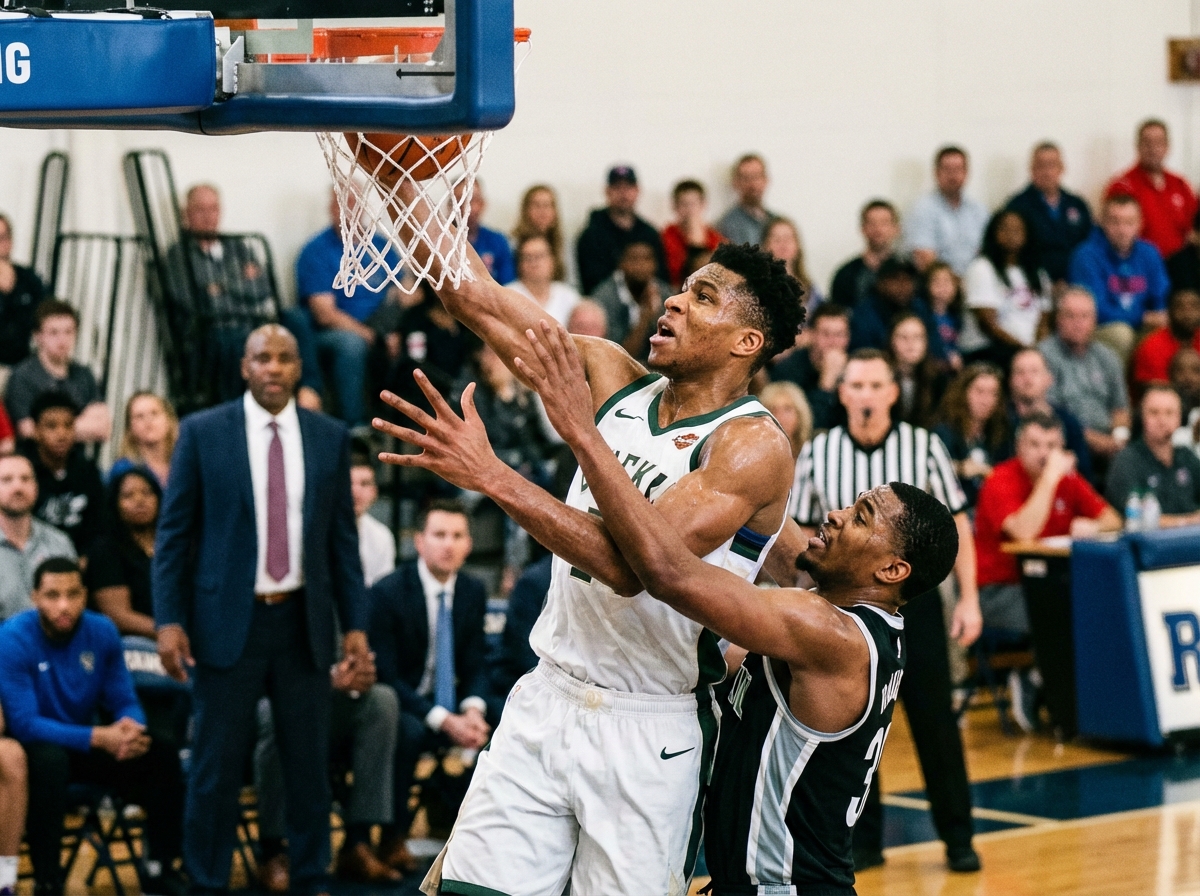
There is a critical difference between finishing through contact and drawing contact. Finishing through means the attacker's primary intention is to score. Contact happens because the defender is trying to stop them, and the attacker absorbs it whilst maintaining balance and completing the shot. Drawing contact means the attacker's primary intention is to create a foul. The shot is secondary to the whistle.
Under the new officiating standards, referees are increasingly rewarding the former and ignoring the latter. Players who jump sideways into defenders, sweep their arms through a defender's reach, or throw their body into a set defender are getting no-calls or offensive fouls.
Train finishing through contact by adding light physical pressure during drills. Have a coach or teammate hold a pad near the basket and bump the finisher during their layup. The goal is to maintain balance, protect the ball, and complete the shot despite the interference. Progress from light to moderate contact as players gain confidence.
Building Fearless Drivers: A 3-Step Framework
Step 1: Footwork First
Every genuine attacking move starts with footwork. Before players touch a ball, they need to master the pivot, the jab step, the drop step, and the crossover step. Run footwork drills daily. Make them non-negotiable. Players with excellent footwork create advantages before the dribble even starts.
Step 2: Read the Defender
The best attackers don't decide their move before they start. They read the defender's position and react. If the defender's weight is on their left foot, attack right. If they jump at a fake, go under. If they sag off, shoot. Teach players to see the defender's hips, feet, and balance rather than memorising set moves.
Step 3: Finish With Variety
A player who can only finish with a right-hand layup is predictable. Develop a full finishing toolkit: left and right hand, overhand and underhand, floater, reverse, power finish, and finger roll. Each finish works against different defensive positions. The more options a player has, the harder they are to stop.
Youth Coaching: Start Early, Start Right
The worst time to unlearn flopping habits is when a player is 16. The best time to build genuine attacking instincts is when they are 8. Youth coaches have an enormous responsibility here. Every session should include live 1v1 situations where the only way to score is to genuinely beat the defender.
Never reward a young player for drawing a foul. Praise the drive, the move, the finish. If they score and get fouled, celebrate the basket. If they flop and get a call, use it as a teaching moment. The habits formed between ages 8 and 12 will define the player they become at 18.
Create a culture where attacking the basket is celebrated and valued. Players who drive hard, absorb contact, and miss should receive more positive reinforcement than players who avoid contact and settle for contested jumpers. Fearlessness is trained, not inherited.
Frequently Asked Questions
Are anti-flopping rules really being enforced at youth level?
Increasingly, yes. Many national federations are adopting FIBA's stricter officiating guidelines, and referee training programmes are emphasising the distinction between genuine and manufactured contact. Even where enforcement is inconsistent, building real skills future-proofs your players.
Should I stop teaching players to draw charges on defence?
Taking a genuine charge - being set, feet planted, absorbing contact - remains a legal and valuable defensive skill. What's being penalised is sliding into position late, falling down on minimal contact, and exaggerating reactions. Teach proper positioning, not acting.
What if my players keep getting fouled but referees aren't calling it?
This is actually a coaching opportunity. If your players can score through uncalled contact, they become nearly unstoppable. Train them to expect contact, absorb it, and finish anyway. The and-one mentality - score first, foul second - produces better attackers than relying on the whistle.
How do I develop the euro-step with younger players?
Start without a ball. Use cones to mark the two steps and have players walk through the footwork. Progress to jogging, then running. Add a ball only when the footwork is automatic. Use a passive defender before going live. Most players can begin learning the basic footwork pattern from age 10.