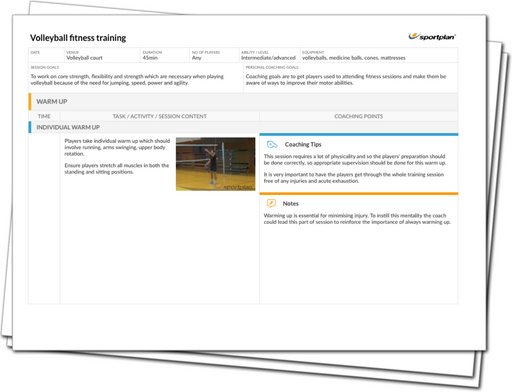
Speed, agility and power are key requirements for playing volleyball, so this plan works on developing your players' fitness levels.
By focusing on developing core strength, flexibility and stamina, this plan is ideal for teaching players that fitness sessions are as important as skills training, for improving their motor abilities and skill levels.
Building core strength
By building core strength your players will be more balanced on the court. Whether landing after a spike, getting back into position after a dig, or moving into an awkward position for an underhand pass, they will be better prepared for the next shot.
Improved agility
Build speed and agility with the drills in this plan - focusing on foot movement, getting players to perform quick, tiny movements in all directions while staying balanced. The faster footwork players use during a drill, the more they will see improvements on match day.
Working on stamina
Working on stamina is key to players performing at their maximum potential throughout the game. Using the drills in this plan your players' will work on both their aerobic and anaerobic stamina.
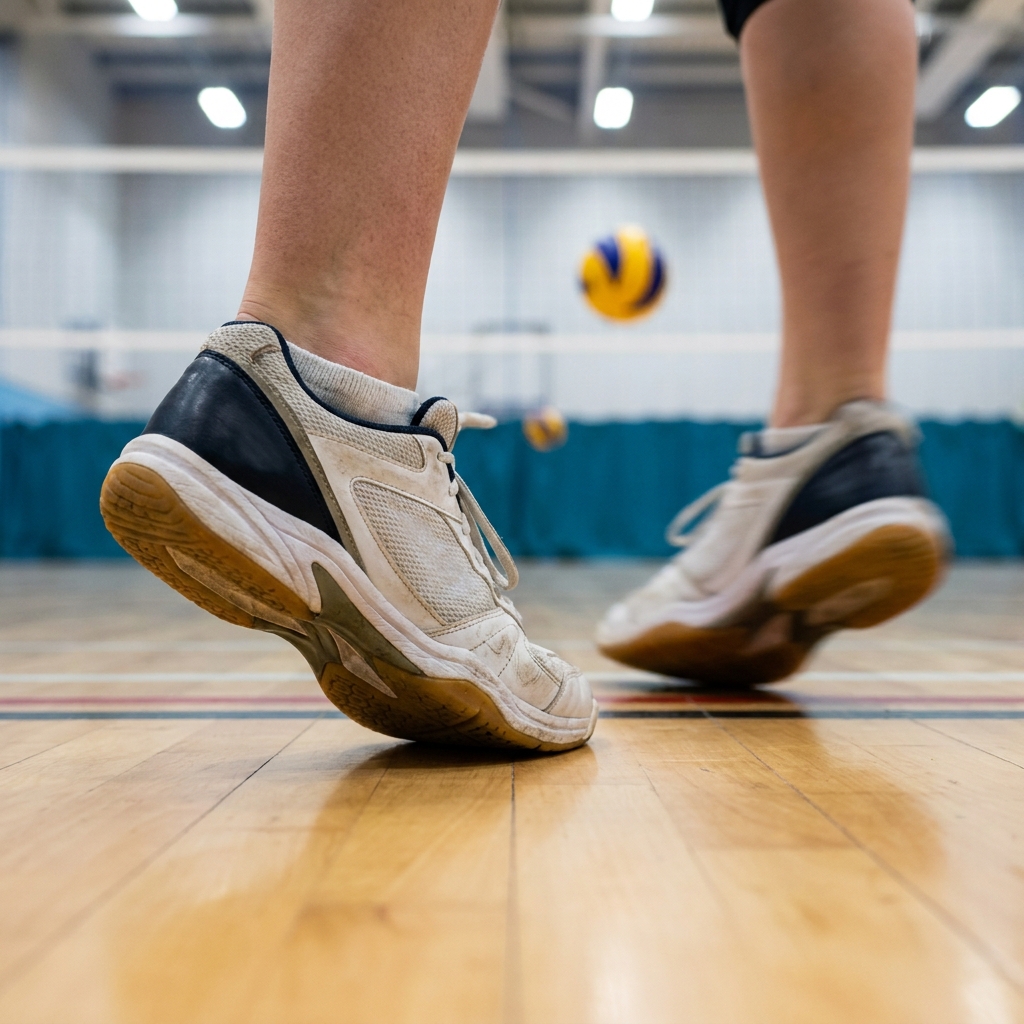
New hitters rarely miss because of their arm. They miss because of their feet. Build a reliable approach, then time it with your setter.
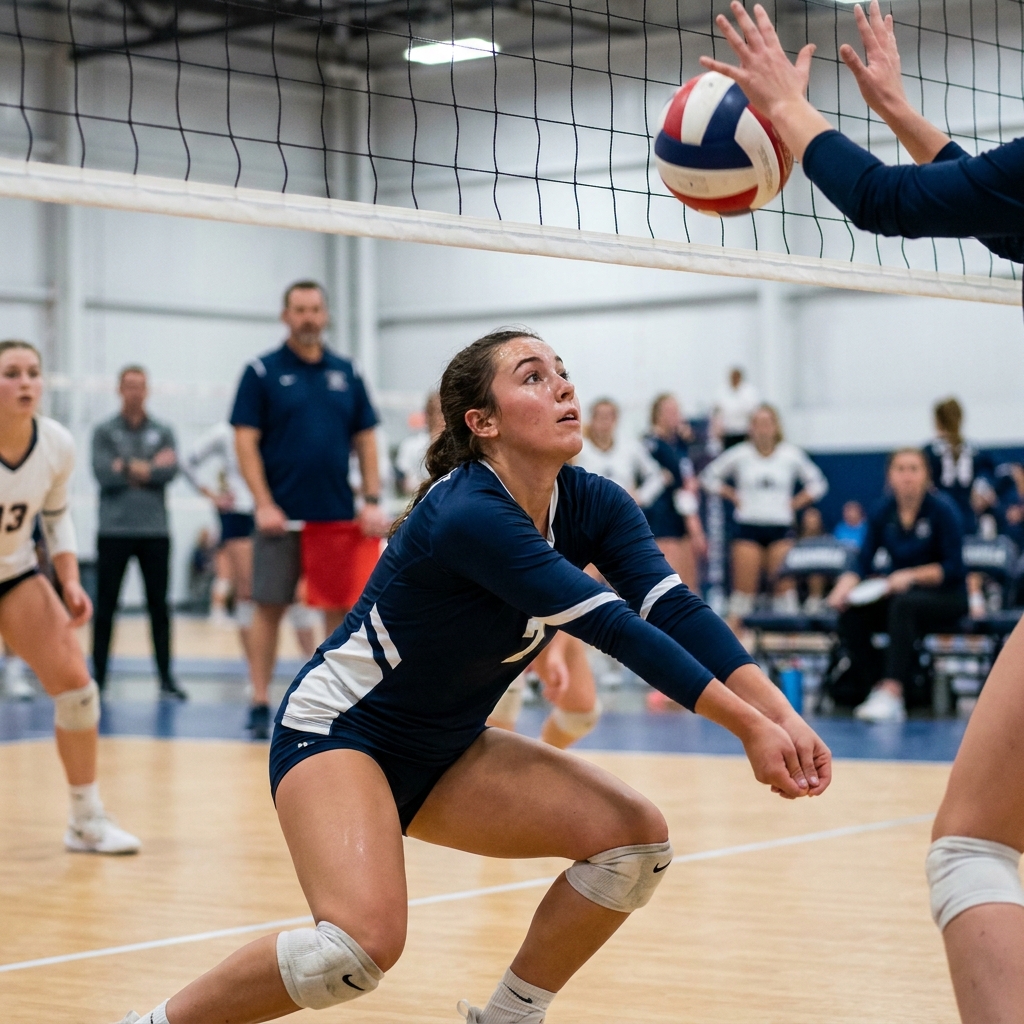
When your hitter gets stuffed, five teammates standing and watching is how you lose the point. Good attack coverage turns a blocked ball into a second swing.
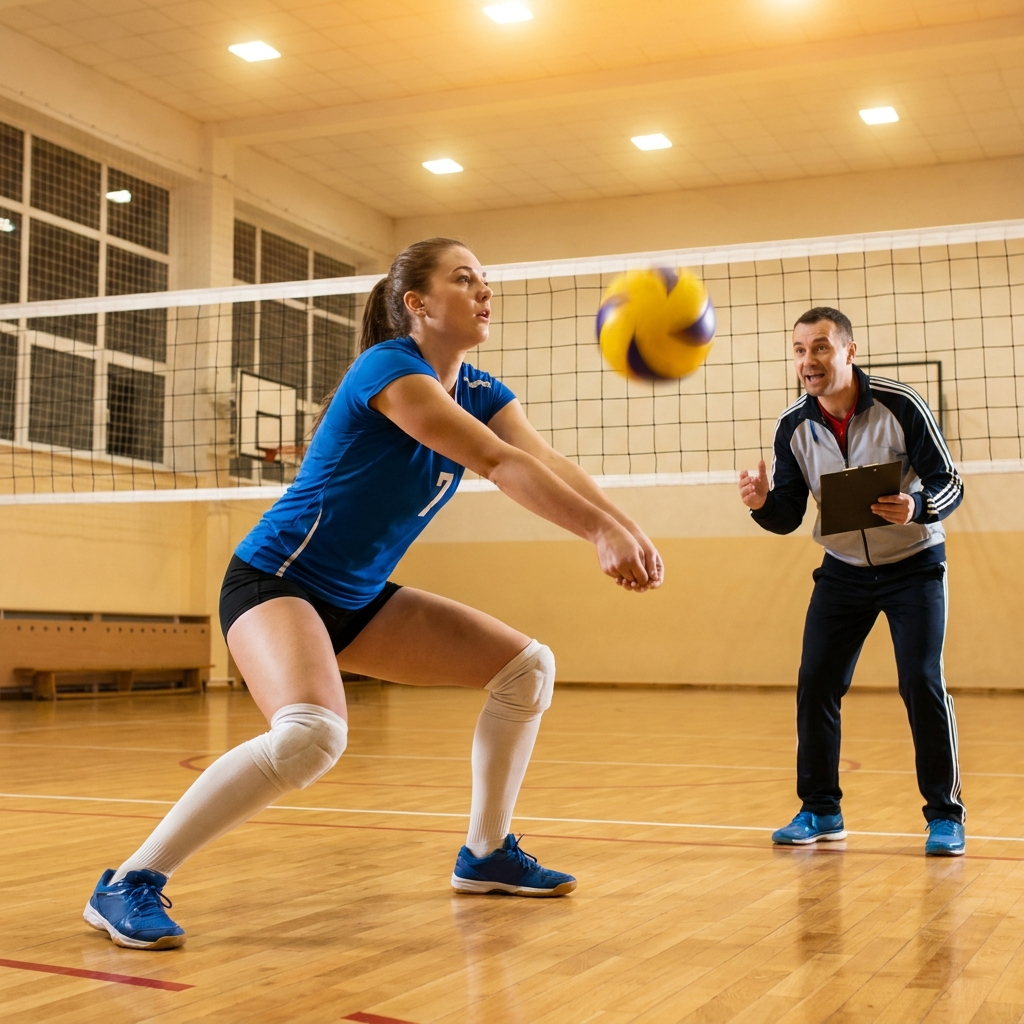
Coaches spend hours correcting arms in serve receive when the real fault is almost always the feet. Fix the movement and the platform fixes itself.


Register for FREE and get coaching tips, top drills, session and more every week!