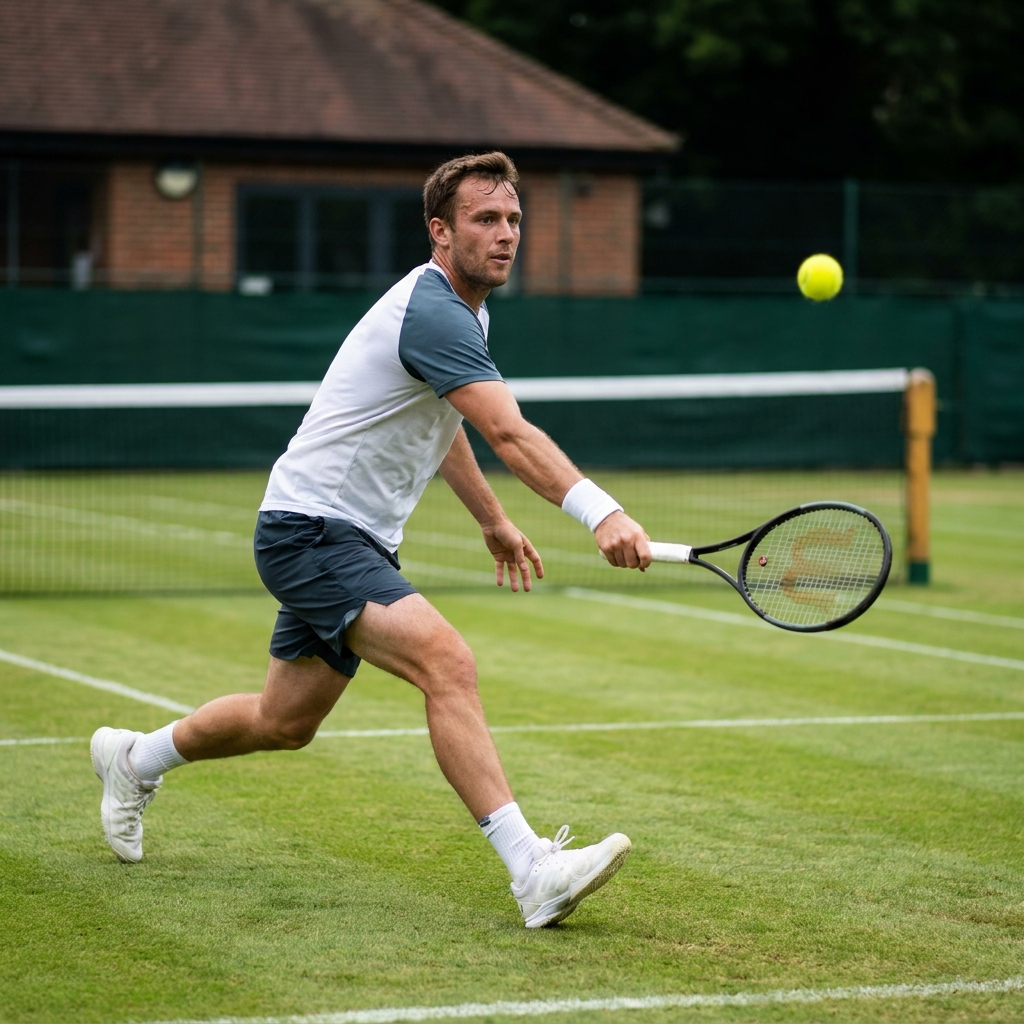
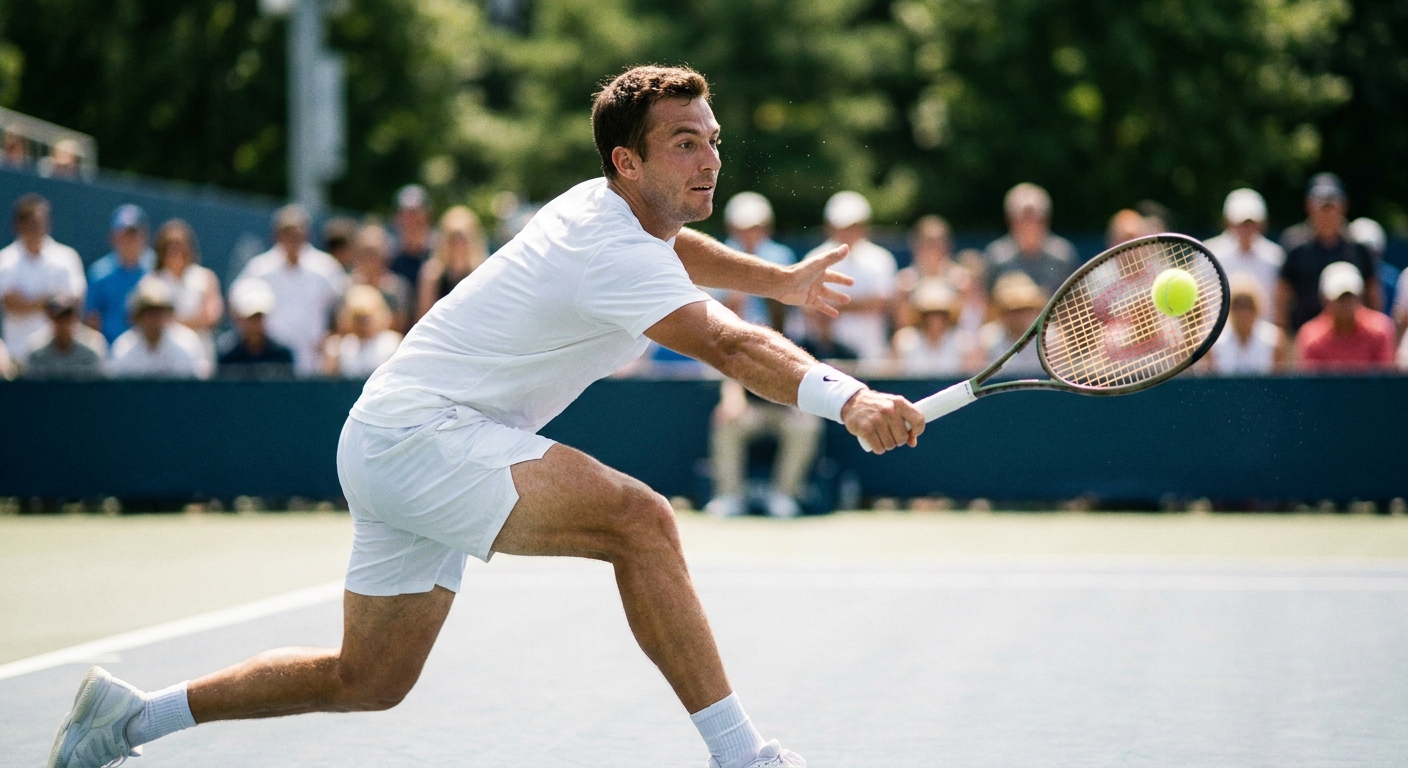
At this year's US Open, Alexander Zverev beat Ben Shelton 6-3, 7-6, 5-7, 6-2 to win the men's title, and the second-set tiebreak was one of the moments that shaped the final. Zverev took it 7-2. Tiebreaks at that level are rarely won by a single miracle shot. They are won by the player who keeps making good decisions while the other one blinks.
The same is true on a Saturday afternoon in a club league match. Most club players treat a tiebreak as a lottery, when really it is the most coachable part of the set. Short, structured and predictable, it rewards players who arrive with a plan.
Why Tiebreaks Go Wrong
Watch a club tiebreak and you will see the same mistakes again and again. Players suddenly try to hit winners they have not attempted all set. First serves get hit harder and land less often. And the pace between points speeds up, so decisions get rushed.
There is also a simple format issue. Players change ends after every six points and serve in twos after the first point, so a tiebreak can feel disorientating if nobody has practised it. Confusion about who serves next and from which side is more common than you might think.
A Four-Step Tiebreak Framework
Step One: Make the first serve land. In a tiebreak, a first serve in play is worth far more than an extra few miles per hour. Coach players to take a little pace off, add spin, and aim for a big target such as the body or the middle of the box. A second serve under scoreboard pressure is exactly the situation you want to avoid.
Step Two: Play high-percentage patterns. Cross-court is the safer rally ball because the net is lower in the middle and the court is longer. Build the point cross-court, and only change direction down the line when the ball is short or the opponent is out of position. On return, aim deep through the middle to take away angles.
Step Three: Keep the same routine between points. The routine does not change because the score has. Walk back, check the strings, decide on one clear intention for the next point, then go. Rushing in a tiebreak is a tactical error, not just a mental one.
Step Four: Play the score. At 0-0 and 1-1 players can be a little more ambitious. At 5-5 or set point down, the priority is making the opponent play one more ball. Teach players to know which points are "safe" to take a risk on and which demand a high-percentage choice. Coach them to note the change of ends at 6 points as a checkpoint: where am I, what is working, what is my next serve?
How to Train It
Most club sessions finish with a set or a few games, which means players rarely practise tiebreaks at all. Fix that by making tiebreaks a regular part of training. A first-to-seven tiebreak takes a few minutes and packs dozens of high-pressure decisions into a short space.
Then add conditions that create pressure. Start players at 4-5 down, give the server only one serve, or award a bonus point for a first serve in. Change the starting score each round so players learn how each scoreline should change their choices. Rotate partners regularly so players cannot settle into a comfortable rhythm against the same opponent.
Keep the scoring honest. Ask players to call the score out loud before every point, including who serves next and from which side. It sounds basic, but it removes the confusion that costs points in real matches.
Key Coaching Points
- A first serve in play is worth more than a fast one; take off pace and add spin in a tiebreak.
- Build points cross-court and change direction only when the ball or the position gives you permission.
- Keep exactly the same routine between points, whatever the score.
- Know the scoreline and adjust risk to it; be bold early, disciplined on the big points.
- Use the change of ends after every six points as a quick tactical check-in.
- Practise tiebreaks from awkward scores in training so match tiebreaks feel familiar.
Recommended Drills

VIEW ALL SERVE AND RETURN DRILLS
Frequently Asked Questions
Should my players go for bigger shots in a tiebreak?
Generally, no. Every point counts, so an unforced error hurts just as much as a winner helps. Encourage players to stick with the patterns that won them games during the set, and only go for more when the opponent gives them a short or weak ball.
How often should we practise tiebreaks in training?
Little and often works best. A couple of tiebreaks at the end of a session, starting from different scores, is enough to make the format feel normal. Players who have played lots of practice tiebreaks tend to stay calmer when one arrives in a match.
What should players think about when they change ends?
Keep it short and practical. One thing that is working, one thing to adjust, and the plan for the next serve. The changeover in a tiebreak is quick, so it is a moment to reset the plan, not to replay the last mistake.