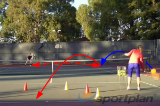
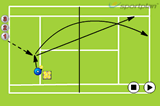
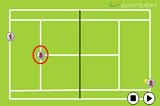
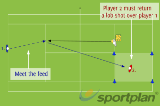
Player feeds an easy lob to the coach, who then returns with a smash shot.
The player has to return the coach's shot using a defensive lob and then a forehand slice - note the coach should hold his/her racquet obove his/her head after the smash to give the player a target to aim over.
Repeat the drill, but the coach should hit the smash so the player has to return it using a backhand defensive shot and then a slice.
The power of the shot and the bounce of the ball after the smash are completely different than after a regular forehand or volley, so coaches should spend time on improving these returns.
Knowing how to counter this power (shorter backswing) and how to hit from a higher point of contact (shoulder level or above) are necessary skills to beat many net players.
Hitting a lob is one of the options that players should be comfortable with. and the coach's racquet is a good height indicator for the player to aim for.
For more advanced players, the coach can modify the drill and let them play a topspin lob after the smash.
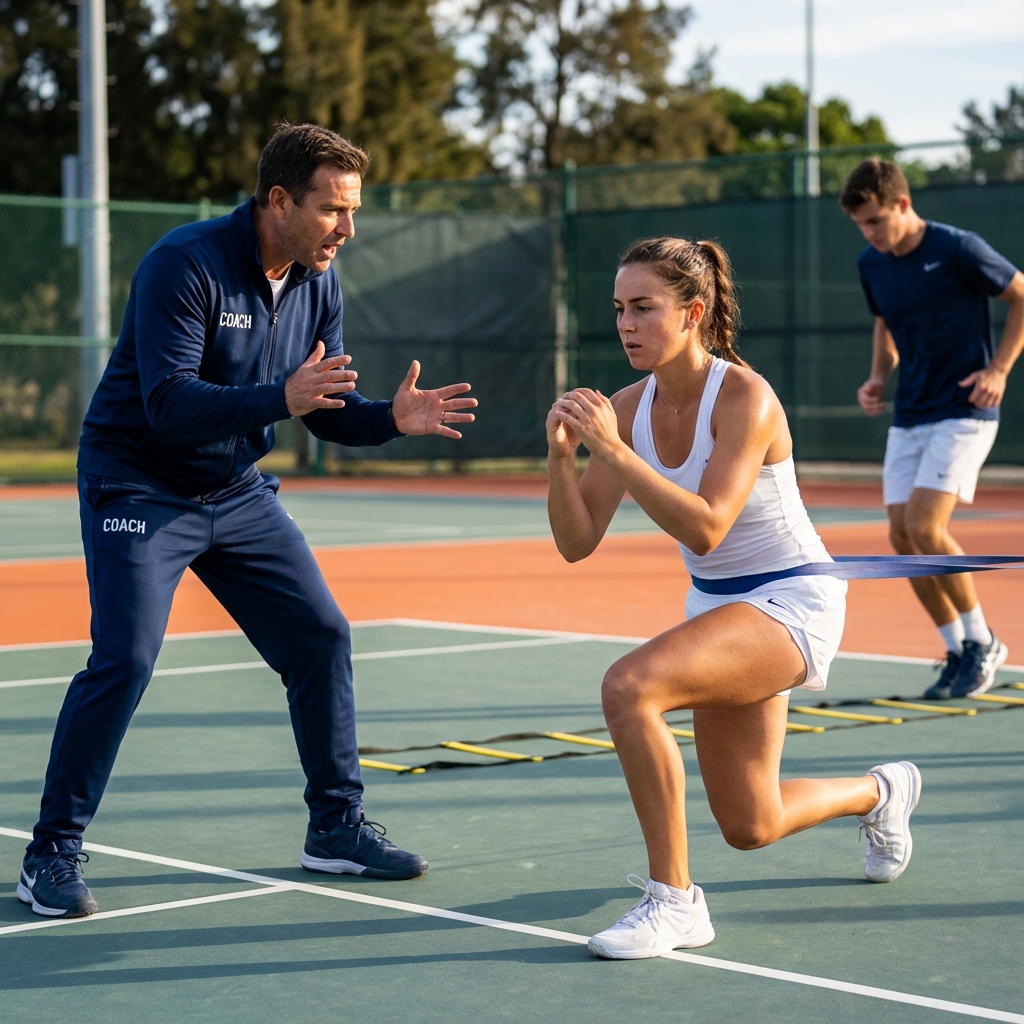
Tennis demands a unique combination of endurance, power, agility, and flexibility. Physical preparation determines how long careers last and how players perform when it matters most.
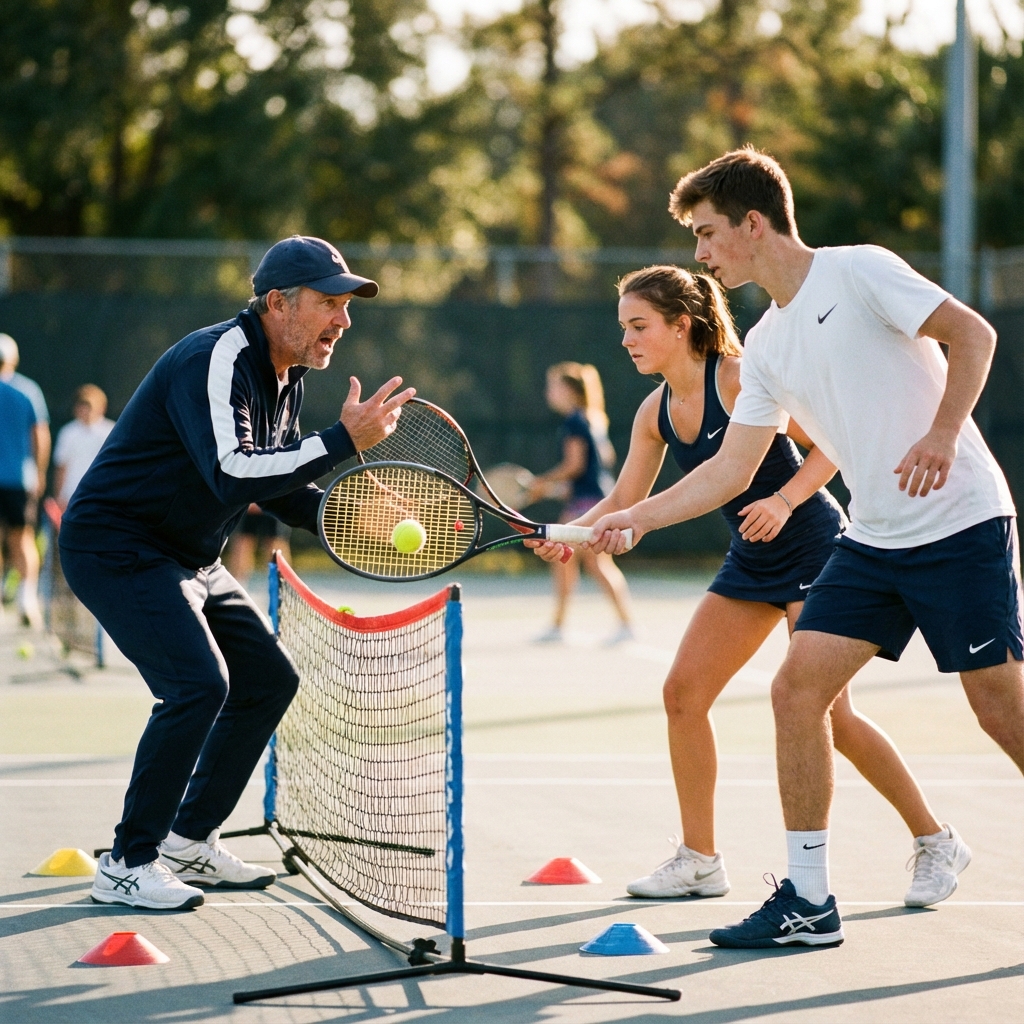
Ecological dynamics is transforming tennis coaching. This constraints-led approach develops adaptable, creative players who can solve problems in competition, not just execute drilled patterns.
The one-handed backhand is becoming rare, but when executed well, it remains one of tennis's most elegant and effective shots. Is it a dying art or a tactical advantage?


Register for FREE and get coaching tips, top drills, session and more every week!