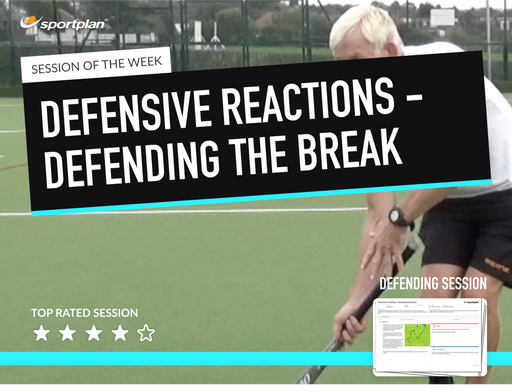
This session works on 1v1 and team defending against the fast break, getting your defenders to make better decisions after the self pass, after all, fewer overloads equals fewer goals conceded!
The reason we created this session is that last season we heard from a lot of coaches telling us that in their matches there were a lot more goals being scored. This is great for spectators but not so good if you're on the receiving end, especially if the goal comes as a result of a counter attack against the run of play.
To put an end to overload ordeals, we look at how your players reorganise after losing possession and more importantly make sure that they can keep their cool when in a high pressure defensive situation - do they mark the man or should they cover the space?
What's in the session?
To make sure your players are all defensive titans who won't crumble under pressure we begin with a 1v1 drills before tipping the scales in favour of the attackers, making life difficult for the defenders as they must do their best to defend against the attacking overload.
Benefits

in more ways than one
 sportplan_netball



in more ways than one
sportplan_hockey
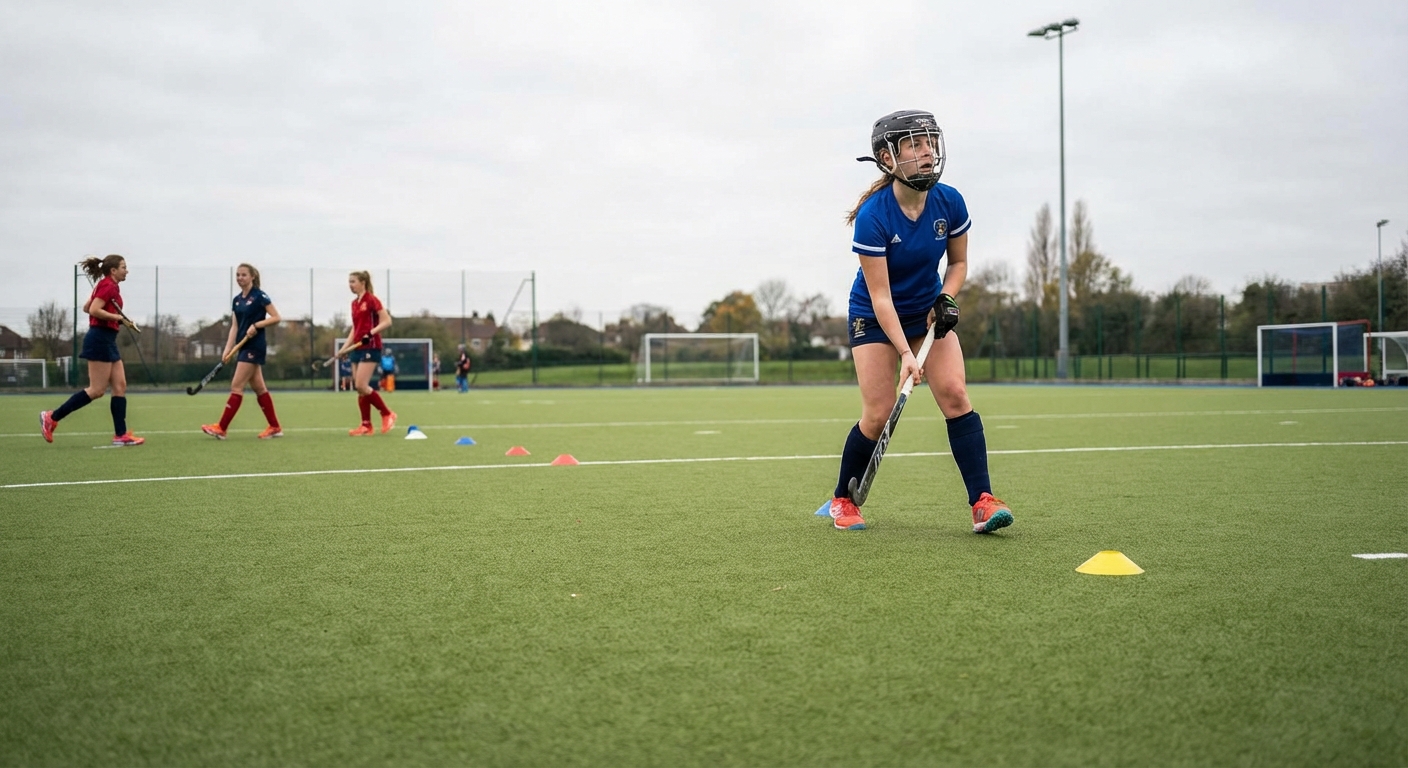
The best hockey players in the world do not just react faster; they scan more frequently and process information before the ball arrives. This article explores the science behind scanning, how to coach spatial awareness as a habit, and practical drills that force players to lift their heads and read the game.
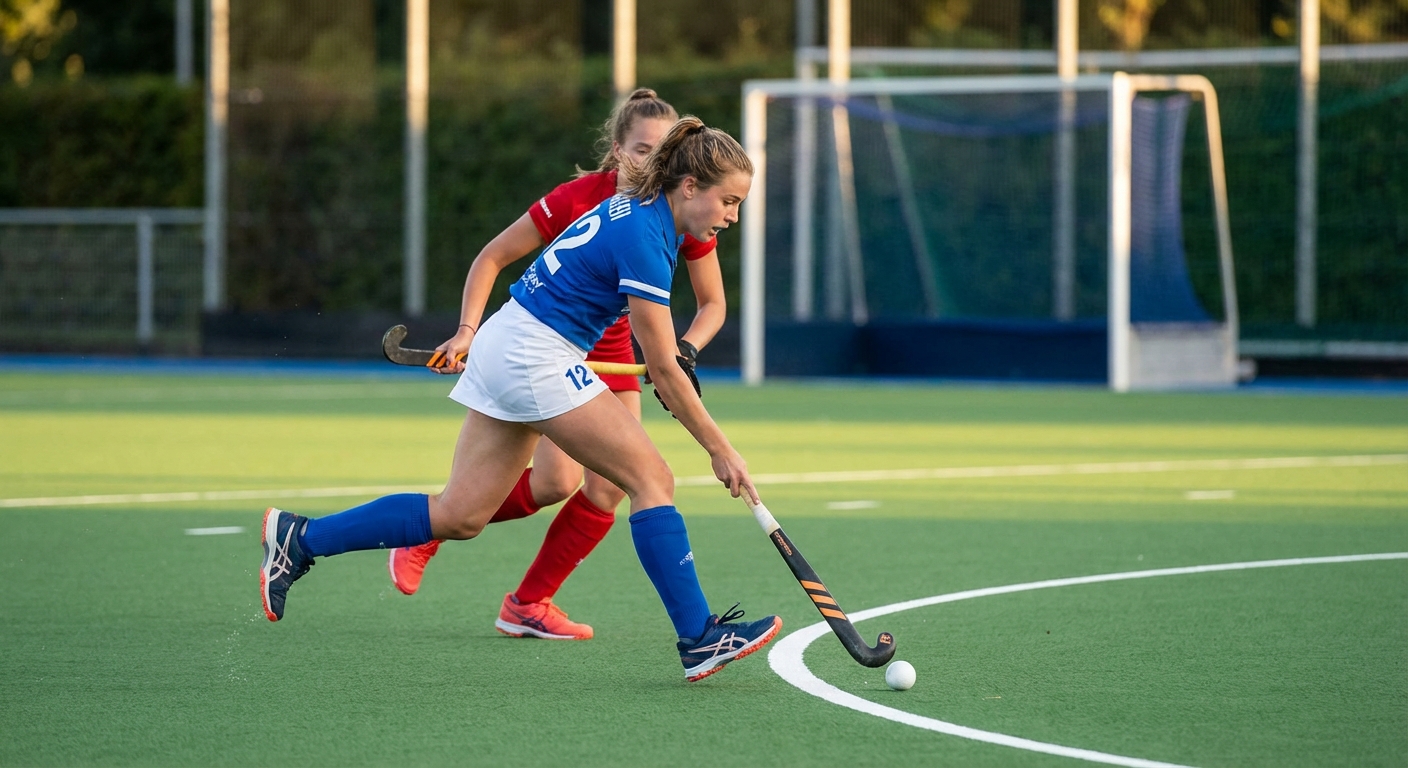
In hockey, you can only score from inside the circle. Getting the ball into the D with purpose and creating genuine shooting chances is the hardest part of attack. This article examines the different types of circle entry, why entry angle determines shot quality, and how to train your team to penetrate the most congested area on the pitch.
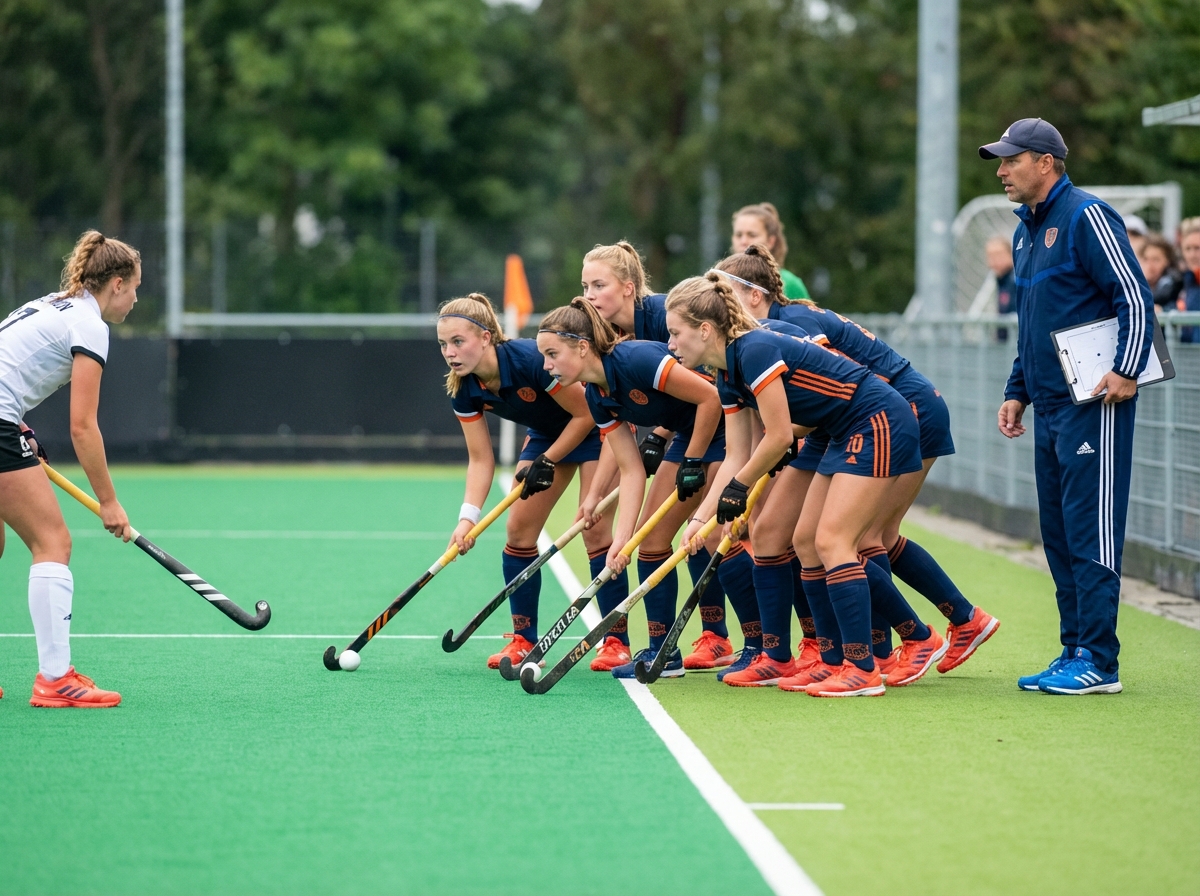
The best teams don't just press - they press at the right moment. Here's how to train your players to read the cues.