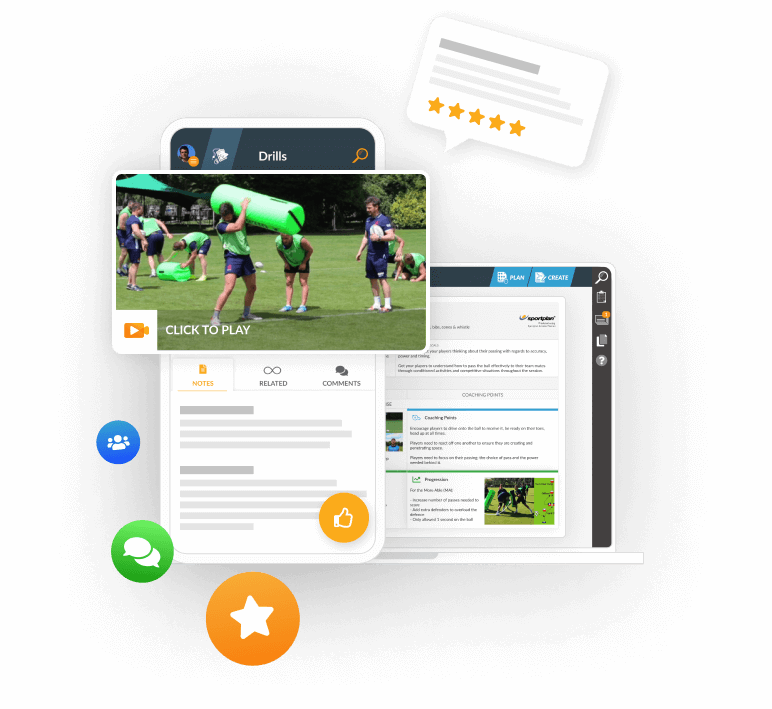
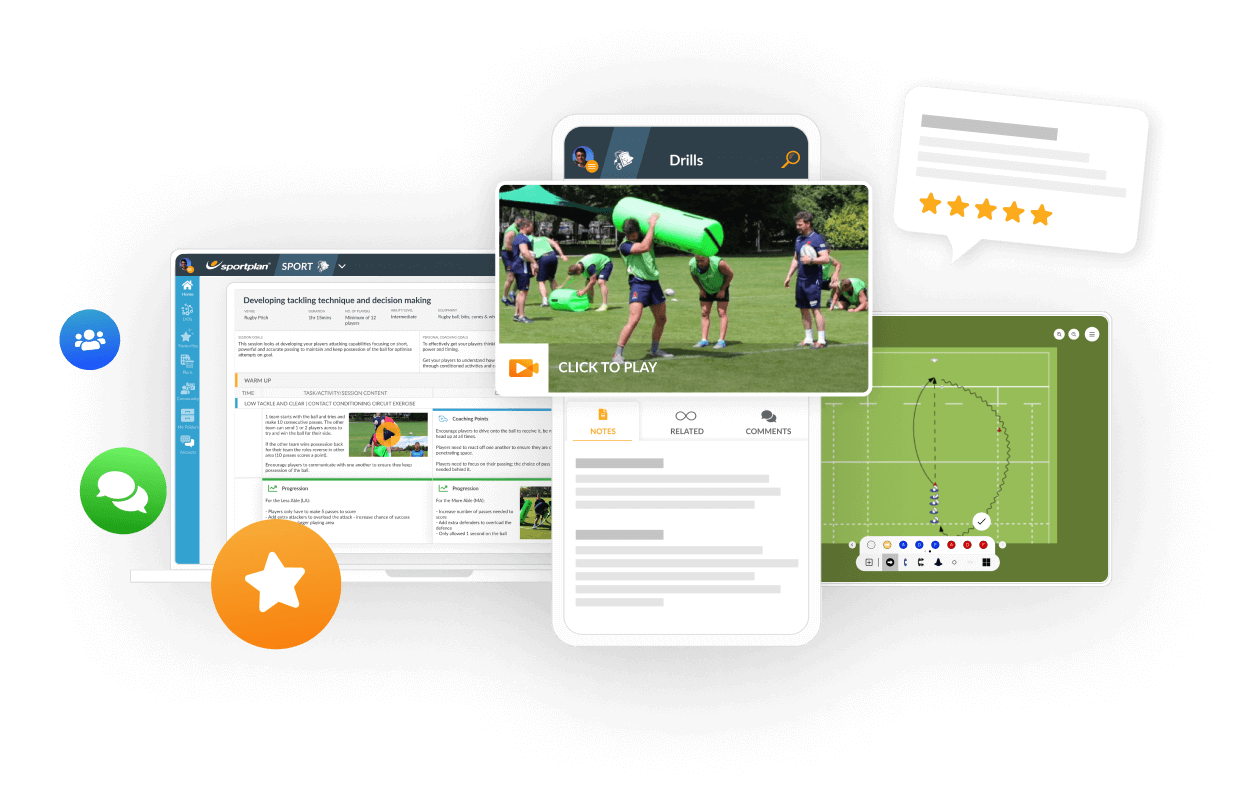
Set up an agilty part for feetwork (ladder, cone, poles) to move thourgh. Keep it slow but with high frequency! Then let the players accelerate onto a ball passed to them and run a certain cone path for sidesteps or swerves. Set up pathes for swerves and sidesteps for left and right, best in different colours, so you can call a colour to run through. Make sure that after their step or swerve, they try to accellarate straight into the space again. Let them practise the drill with both hands on the ball, tucked away under the outside arm and swooping from both hands to under arm carry. Progression - Call the colour while they catch the pass so they have less time to react - add a defender indicating a weak shoulder or flat feet -remove the pathes and let them be creative against different kinds off defenders(static, flatfooted, drifting, moving forward (slowly, fast, balanced and over commited)
Fast feet and short steps, high frequency in agilty part accellarate into the space Head up, Eyes on ball when recieving Stay square with the upper body when attacking the defender Control your speed with short and wider steps, then accellarate past defender Keep the ball away from contact
This practice has no coaching points
This practice has no progressions
in more ways than one
 sportplan_rugby
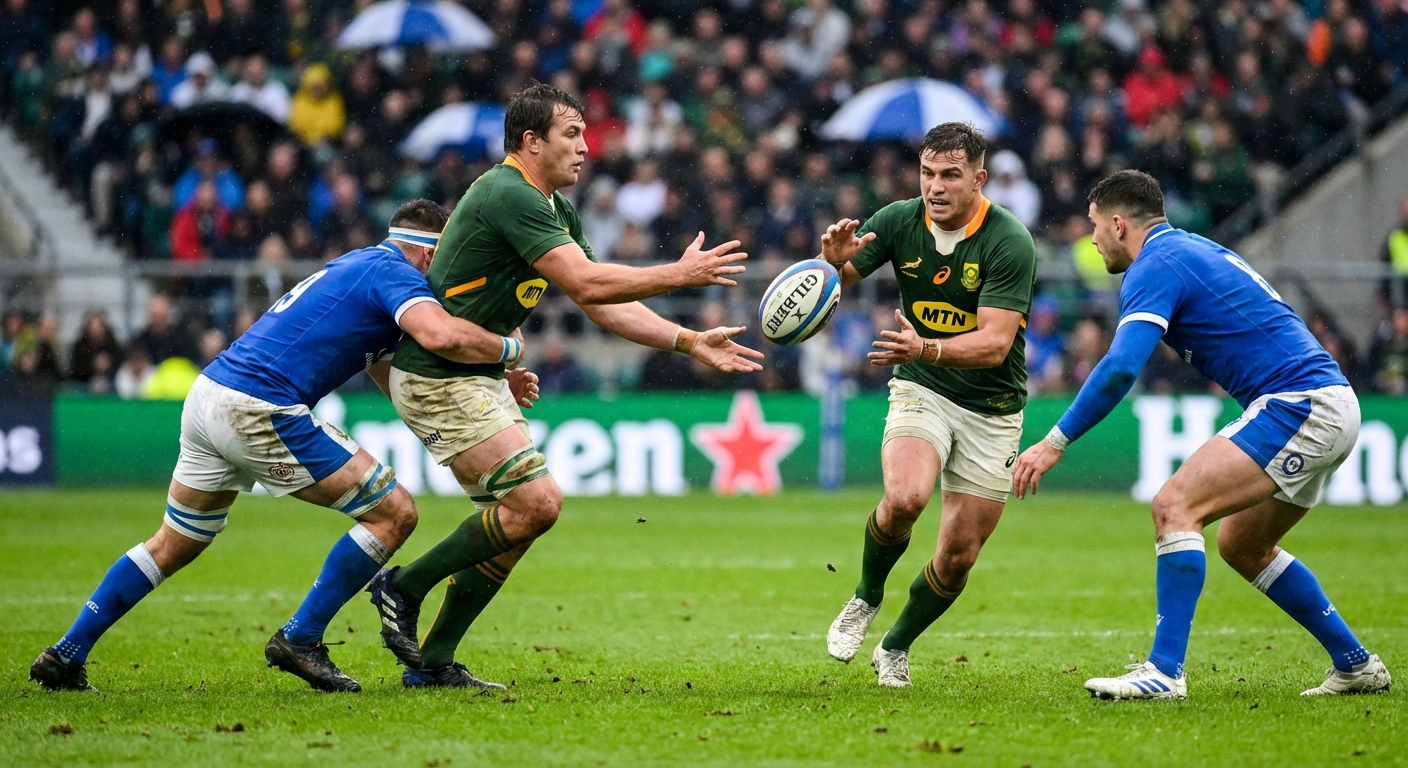
The offload is one of rugby's most devastating weapons when executed well, turning a defensive collision into a second-phase attacking opportunity. This article breaks down the technique, timing, and training progressions coaches need to develop confident offloaders at every level.
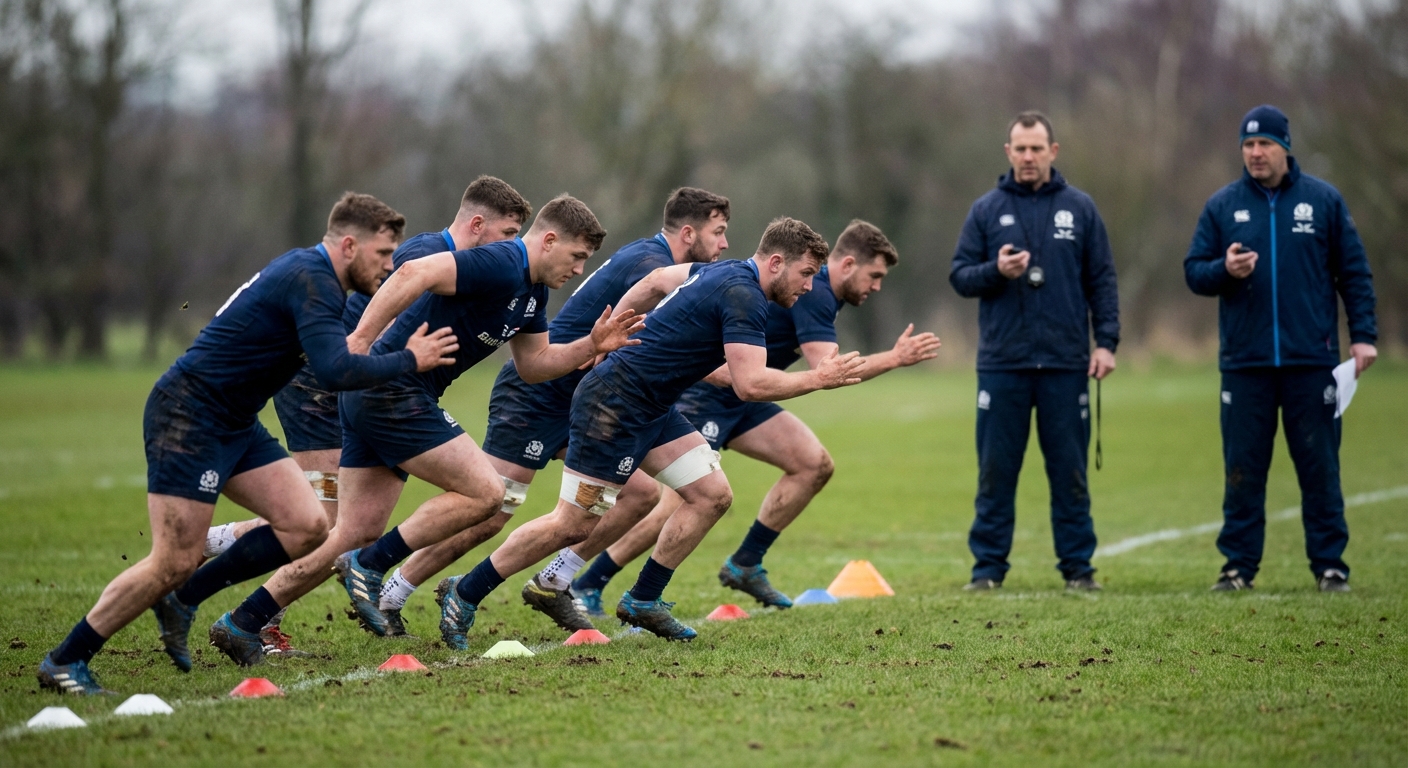
Defensive line speed is the single most important factor in shutting down attacking opportunities before they develop. This guide explores how to coach your defensive line to push up as a connected unit, communicate under pressure, and deny the opposition time and space.
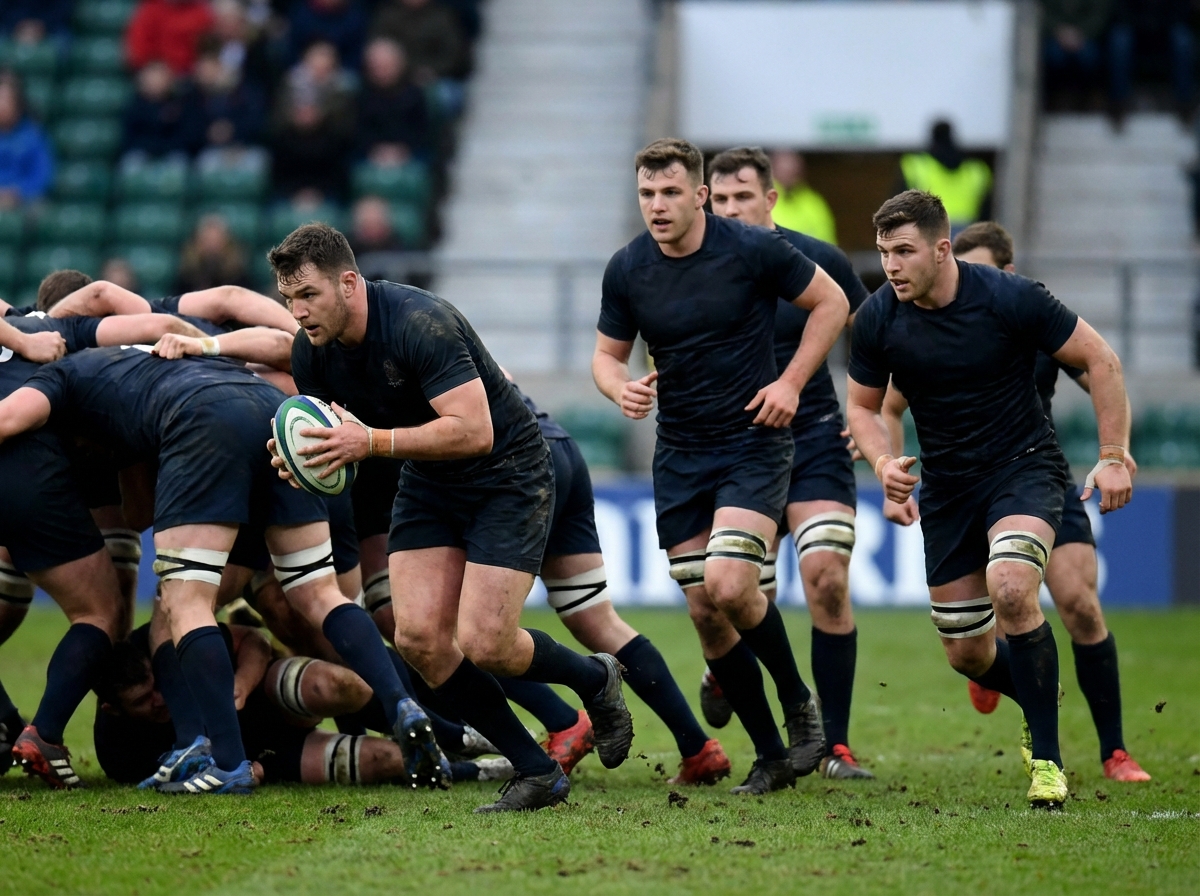
The teams winning in 2026 aren't taking risks - they're grinding out territory with relentless pick-and-go phases. Here's how to coach it.