

Vrije slagen rondom de cirkel en lange corners:Mogelijkheid 1: Speler bij de bal loopt 5 meter met de bal en zoekt dan de combinatie.Mogelijkheid 2: Speler bij de bal speelt medespeler in op de rand van de cirkel en die kaatst de bal in een keer door de cirkel in (bal moet wel weer minimaal 5 meter rollen).Mogelijkheid 3: De bal wordt achterom verlegd en vanaf de andere in de cirkel gebracht. Verdedigers staan daardoor nog niet ingericht en dat leidt vaak tot fouten bij de tegenstander. Ze moeten dan in beweging komen.
This practice has no coaching points
This practice has no progressions

in more ways than one
 sportplan_hockey



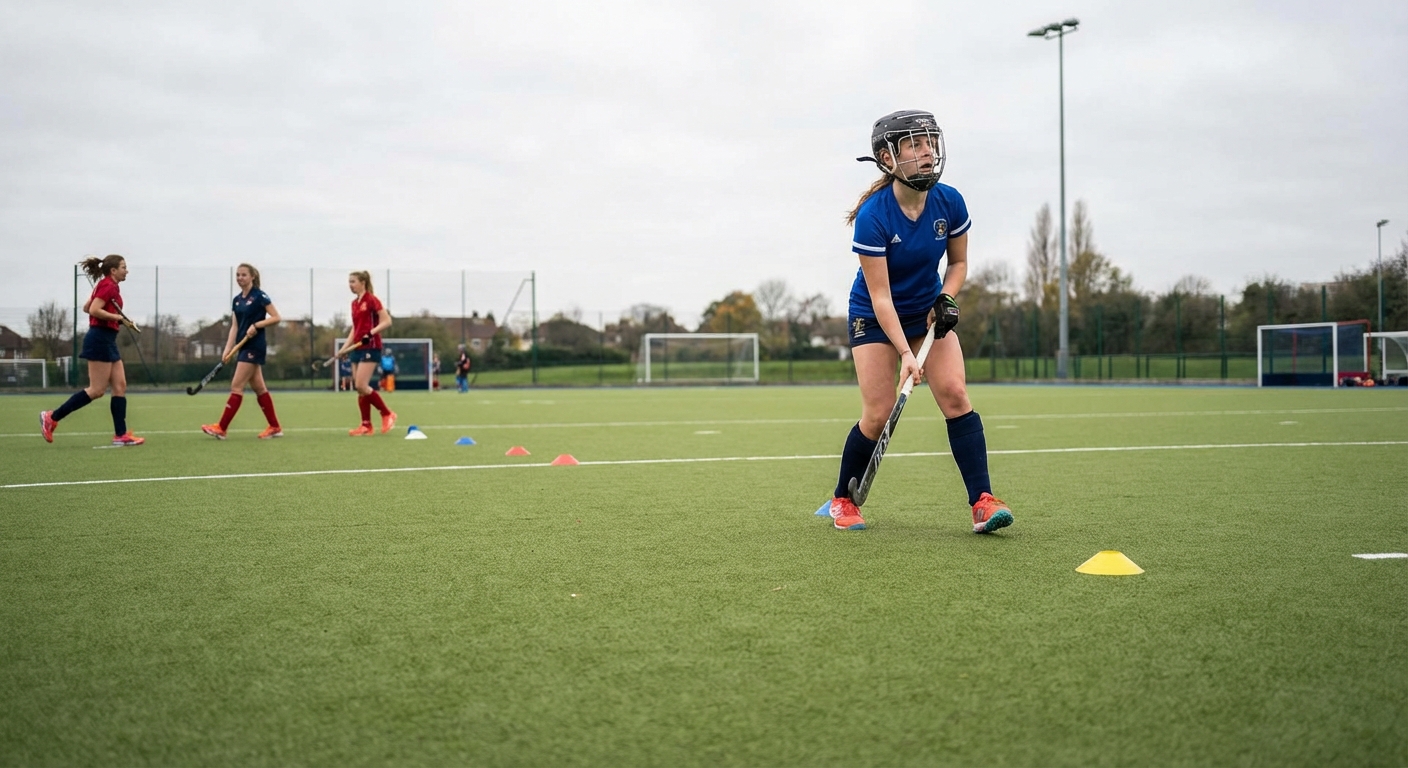
The best hockey players in the world do not just react faster; they scan more frequently and process information before the ball arrives. This article explores the science behind scanning, how to coach spatial awareness as a habit, and practical drills that force players to lift their heads and read the game.
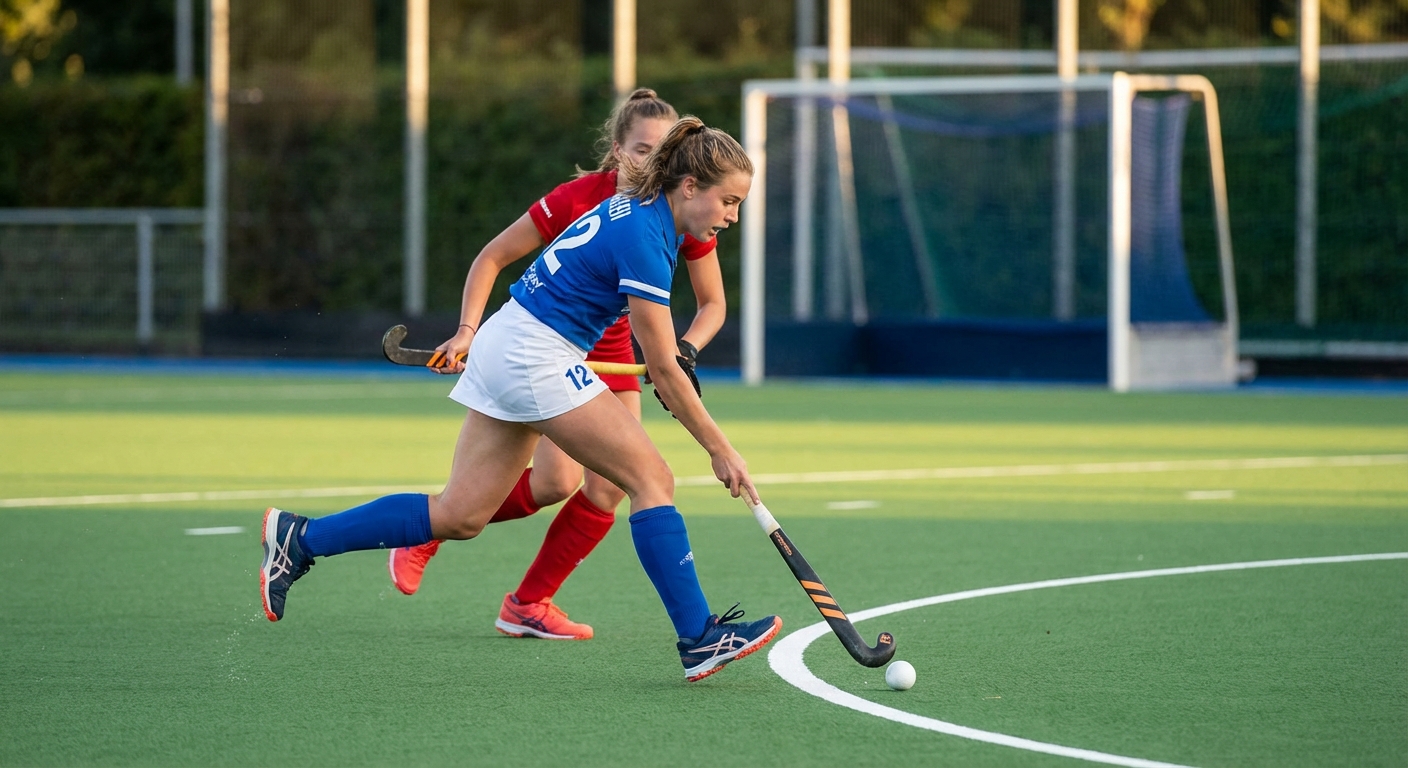
In hockey, you can only score from inside the circle. Getting the ball into the D with purpose and creating genuine shooting chances is the hardest part of attack. This article examines the different types of circle entry, why entry angle determines shot quality, and how to train your team to penetrate the most congested area on the pitch.
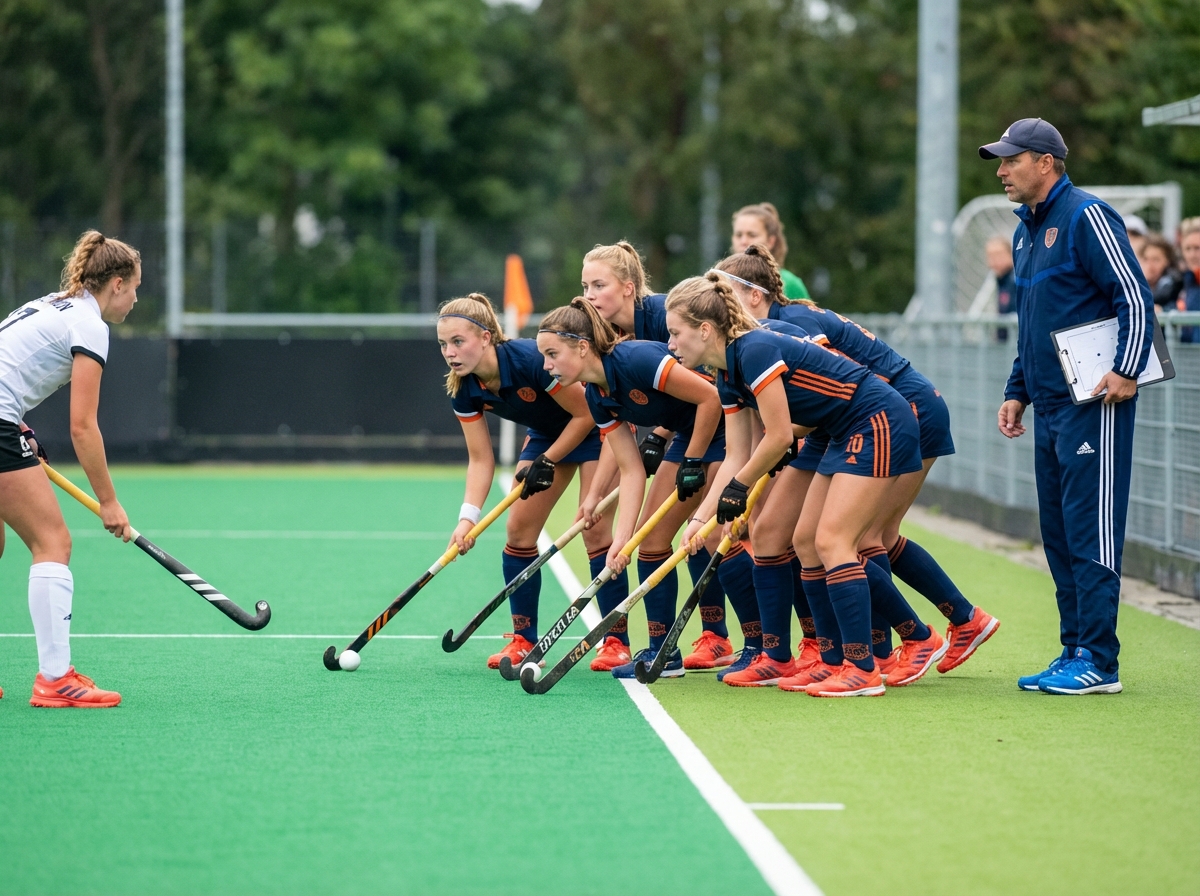
The best teams don't just press - they press at the right moment. Here's how to train your players to read the cues.









