Create two connecting areas about 20x20 each. Set cones about 6 yards outside each area for the green defenders. Assign one attacker (red) that begins in one of the areas. The coach (yellow) plays the ball to the attacker who then takes 2-4 dribbles. The defender nearest the area with the attacker will pressure the ball once the coach plays the ball. The defender is applying light pressure not aiming to win the ball. Once the attacker is under pressure, they will play the ball back to the coach then open up to the other area to receive the ball back. When the attacker opens up to the other area, the defender will drop off and be a cover defender, while the other defender pressures the ball in the other area. Play continues with the attacker returning the ball to the coach and opening up to the other area. Rotate defenders and attacker after several repetitions.
The pressure defender needs to drop immediately when the attacker gives up the ball and moves. The cover defender needs to be alert and ready to react and move into the area to become the pressure defender as attacker receives the next ball.
This practice has no coaching points
This practice has no progressions

in more ways than one
 sportplan_football


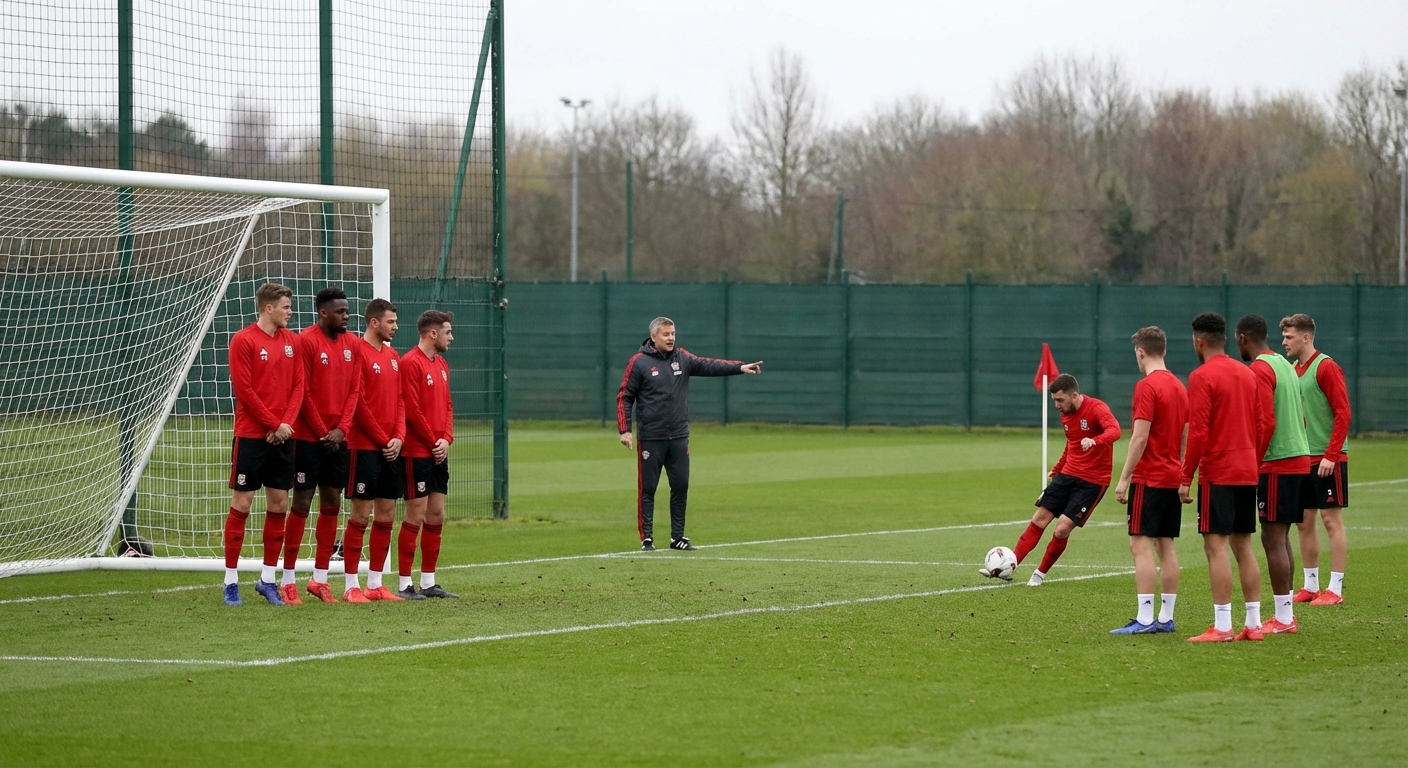
Set pieces account for roughly a third of all goals in football, yet many coaches spend surprisingly little time coaching defensive organisation at corners and free kicks. This article compares zonal and man marking systems, explores hybrid approaches, and provides a practical session structure for building set piece resilience into your team.
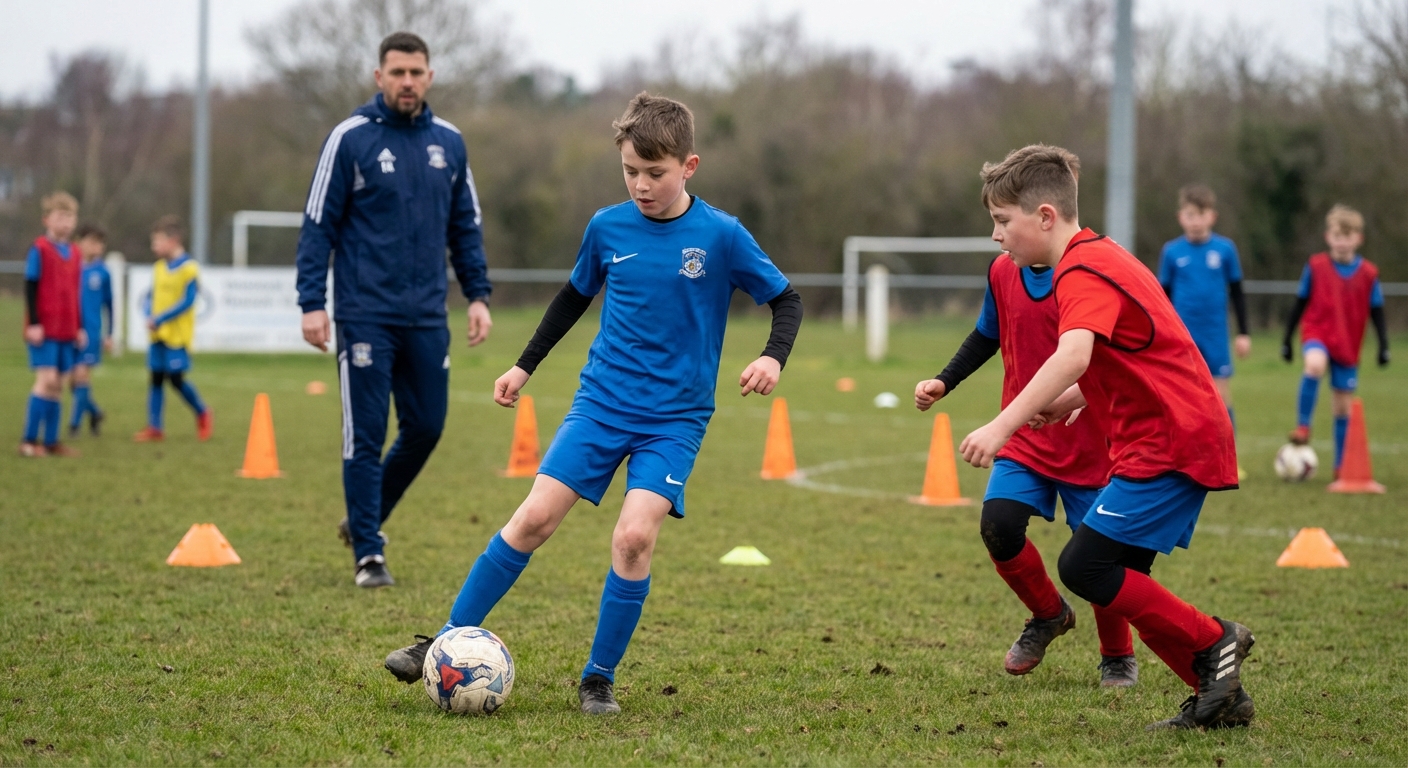
A player's first touch determines everything that follows: whether they can play forward, turn, or simply retain the ball. This article explores why training first touch in isolation is not enough, and how to design sessions that develop this critical skill under realistic game pressure.
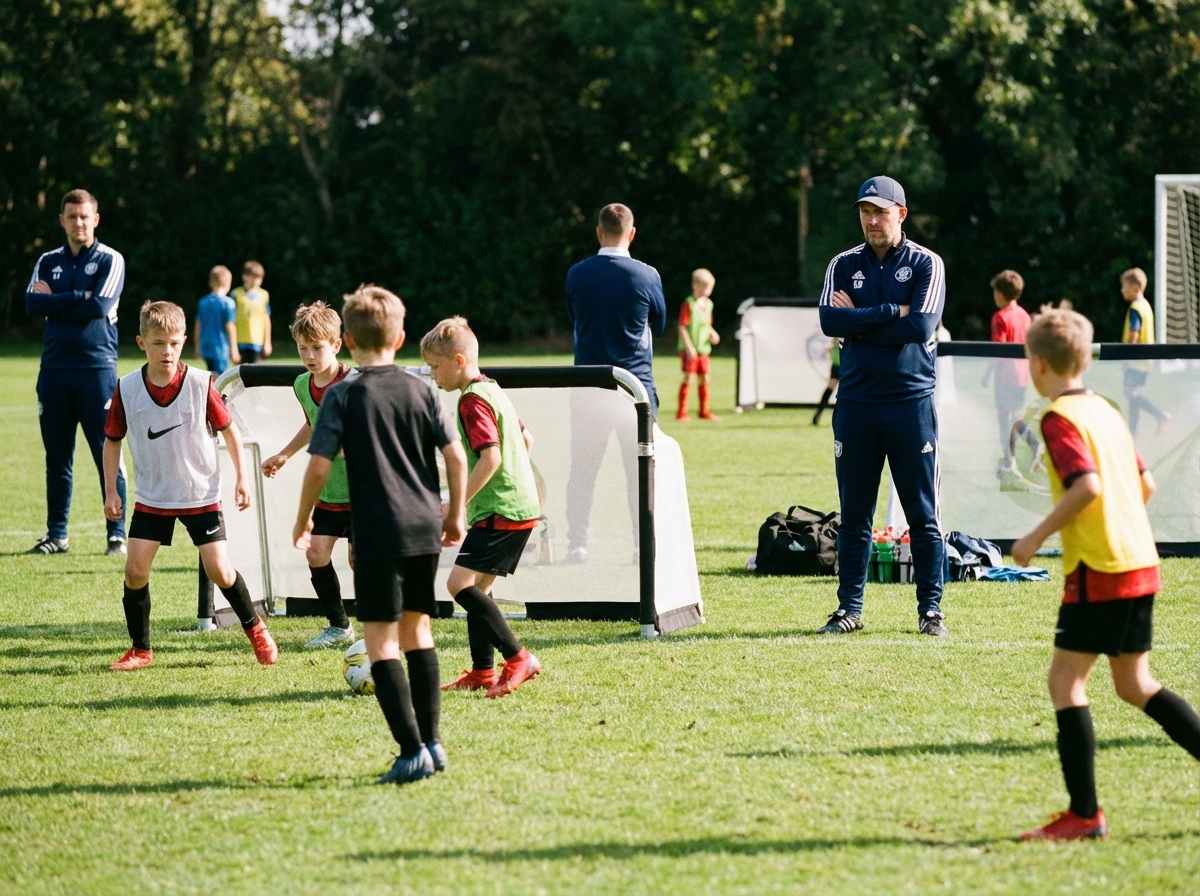
The coaching methodology revolution sweeping grassroots football - and how to implement it at your club this season.