Form two lines: green attackers and red defenders. Create a line of cones 3 yards apart with a 5 yard opening in the center. The first attacker begins outside the orange cone about 15 yards from the beginning of the line. The first defender begins at a cone toward the center of the field about 12 yards from the attacker on a diagonal. The attacker will speed dribble down the outside channel attempting to beat the defender to the 5 yard gap where they can cut in and go to goal. The defender is trying to prevent the attacker from cutting in and going to goal. If the defender beats the attacker and takes away the 5 yard gate, the attacker can cut back and go through one of the earlier gates or continue on to one of the later gates. The defender must not cross the line and shadow the attacker trying to prevent the attacker from getting through any of the gates.
The defender should focus on taking an angle to intercept the attacker. The defender should be patient when shadowing the attacker and wait for the opportunity to win the ball once the attacker cuts in.
This practice has no coaching points
This practice has no progressions

in more ways than one
 sportplan_football


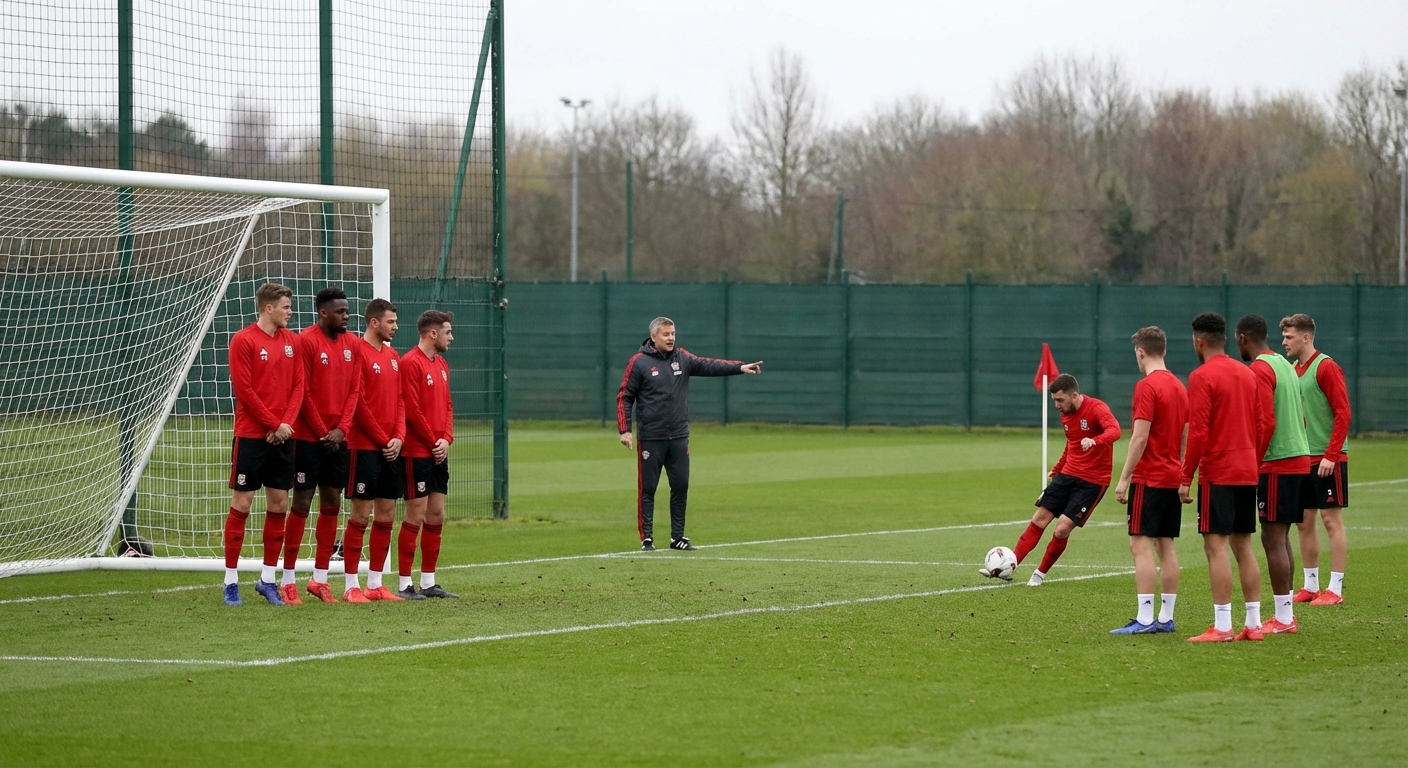
Set pieces account for roughly a third of all goals in football, yet many coaches spend surprisingly little time coaching defensive organisation at corners and free kicks. This article compares zonal and man marking systems, explores hybrid approaches, and provides a practical session structure for building set piece resilience into your team.
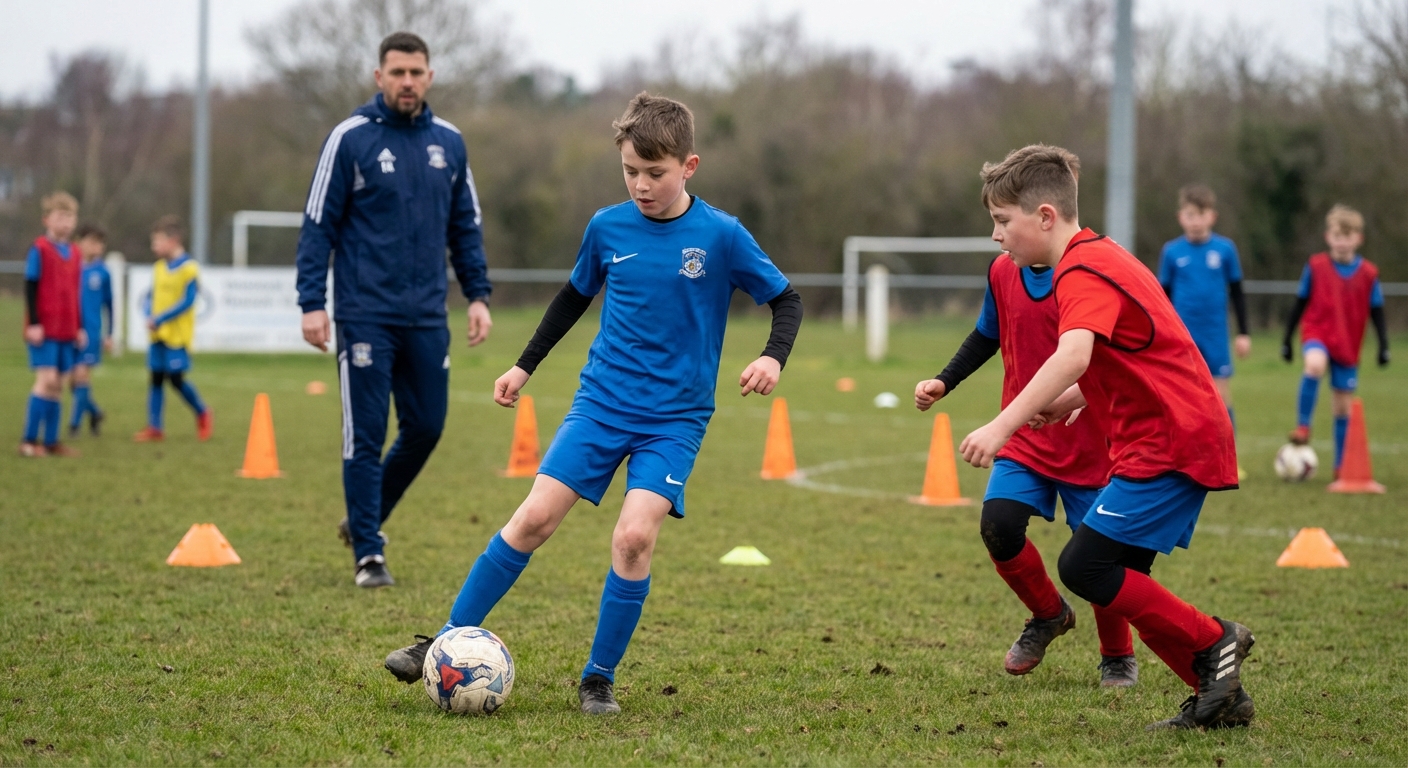
A player's first touch determines everything that follows: whether they can play forward, turn, or simply retain the ball. This article explores why training first touch in isolation is not enough, and how to design sessions that develop this critical skill under realistic game pressure.

The coaching methodology revolution sweeping grassroots football - and how to implement it at your club this season.