Serving in volleyball has transformed dramatically. The power jump serve can reach speeds over 130 km/h, but raw power alone doesn't guarantee success. The best servers combine velocity with placement, spin variation, and tactical targeting.
Jump Serve Mechanics
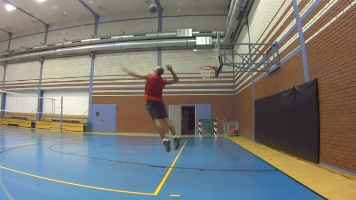
The foundation of a powerful jump serve:
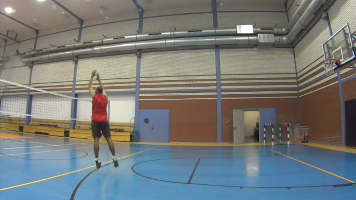
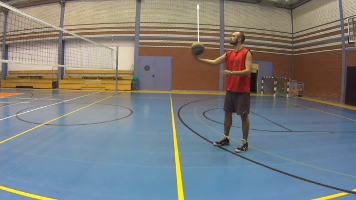
Toss consistency: The toss determines everything. It should be high enough and far enough in front to allow a full approach.
Approach timing: Three or four steps building momentum, similar to an attacking approach.
Contact point: High contact at full arm extension maximises downward trajectory.
Follow through: Complete the swing motion for power and control.
Tactical Serving
Power without placement is wasted:
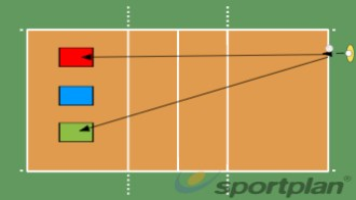
Target weak passers: Identify and exploit the opponent's weakest receiver.
Serve to seams: The space between passers creates confusion and shanked passes.
Short serves: Mix in serves that land before the attack line to pull passers forward.
Deep corners: Push passers back and away from their comfort zones.
Float Serve Value
Don't underestimate the float serve:
Unpredictable movement: No spin means erratic ball flight that's difficult to read.
Lower error rate: More reliable than jump serves in pressure situations.
Tactical variation: Changing from power to float keeps receivers guessing.
Serve Strategy by Situation
Start of set: Higher risk acceptable - go for aces.
Close scores: Reduce errors - prioritise getting the serve in.
Opponent's best attackers: Target zones that take their best hitters out of system.
Rotation advantage: Exploit weak rotations aggressively.
Key Coaching Points
- Consistent toss is the foundation of serve reliability
- Power serves require game-like practice under fatigue
- Float serves remain valuable tactical options
- Target selection matters as much as technique
- Develop a pre-serve routine for consistency