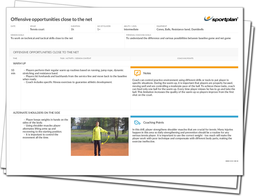
Tennis is a quick game and being at the net is the fastest possible form of it. Positioning close to the net offers possibilities to finish the point early but to do it consistently, requires great technical and physical skills to deal with passing shots that can arrive with some serious heat.
What’s in the session?
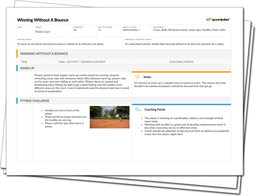
Decision making is crucial to increase the chance of winning points at the net and these decisions have to be made quickly. Players need to groove these as automatic decisions. The more fluent the connection is, the more successful players will be, even in really challenging situations.
At the net, the most important factor that decides about the quality of the shot is control. More often than not, players don't have to generate any pace because the incoming ball already has it. That is why, the ability to control direction and depth while hitting out of the air is the area that players should dedicate more training time to.
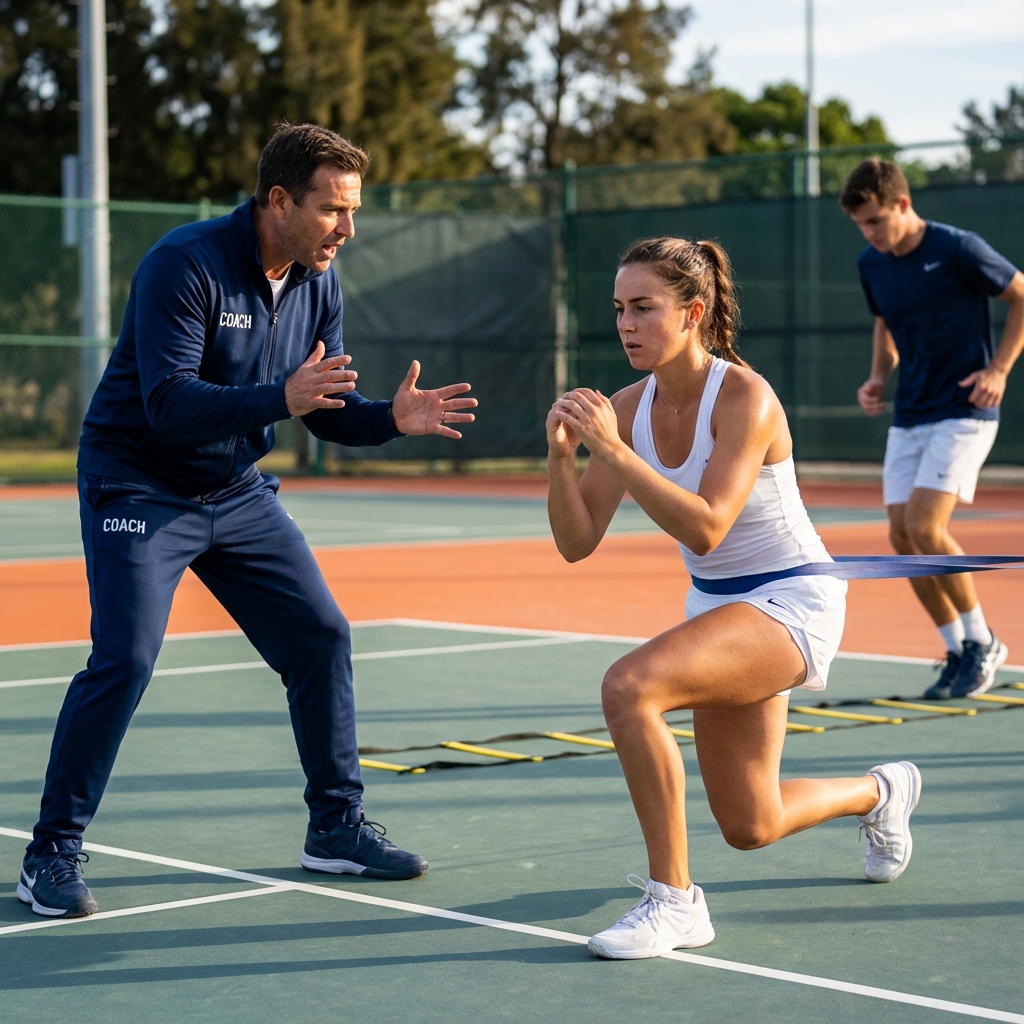
Tennis demands a unique combination of endurance, power, agility, and flexibility. Physical preparation determines how long careers last and how players perform when it matters most.
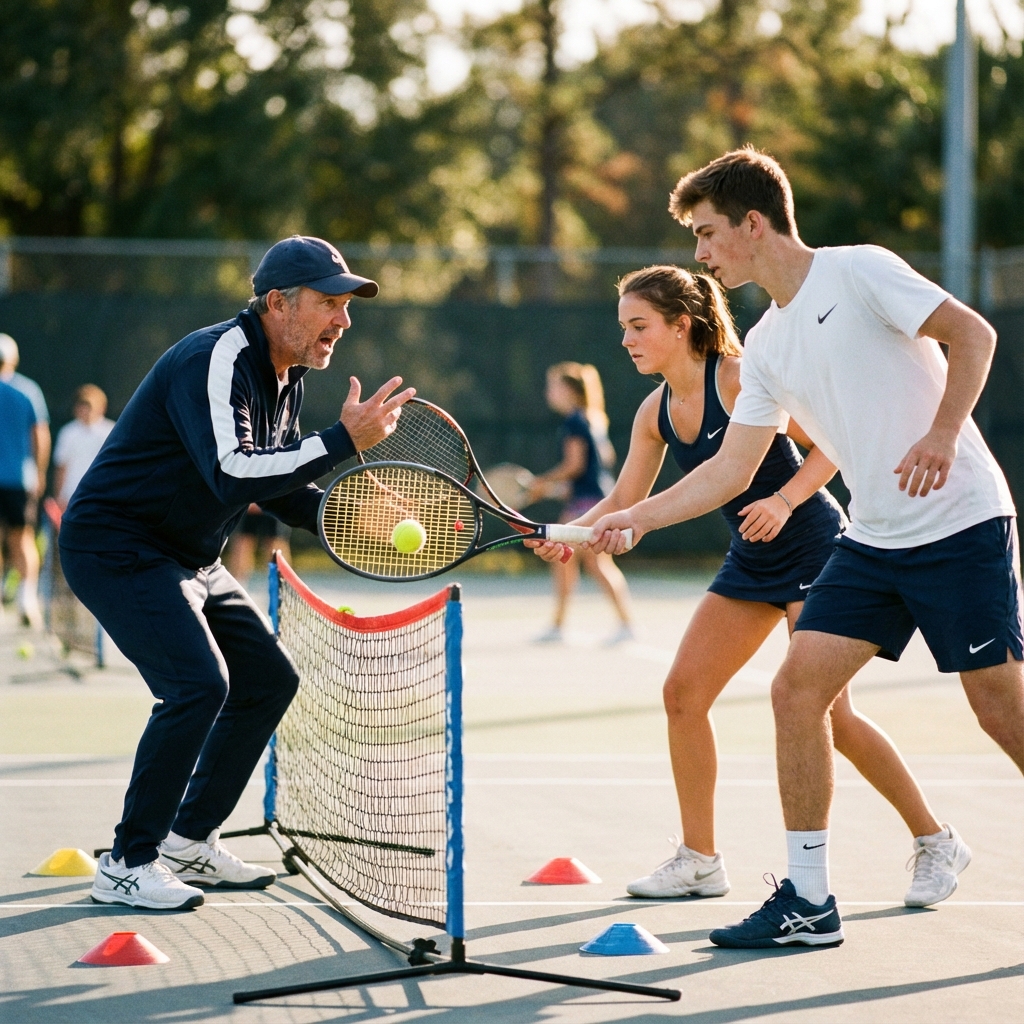
Ecological dynamics is transforming tennis coaching. This constraints-led approach develops adaptable, creative players who can solve problems in competition, not just execute drilled patterns.
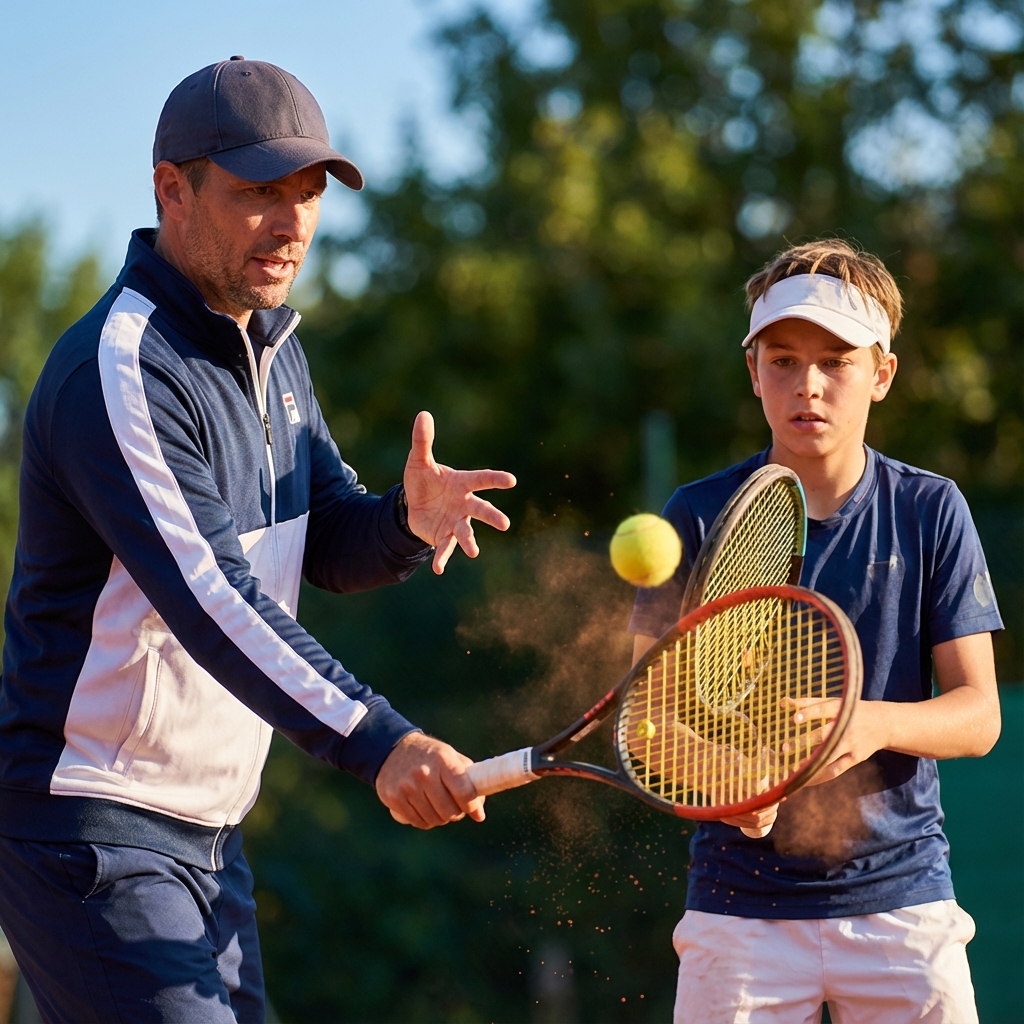
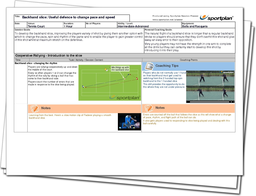
The one-handed backhand is becoming rare, but when executed well, it remains one of tennis's most elegant and effective shots. Is it a dying art or a tactical advantage?


Register for FREE and get coaching tips, top drills, session and more every week!