Striking the ball from the non-dominant side of their body, the backhanded shot can be played with two hands, for increased power, or one hand, which lends itself better to slice shots. Working in pairs throughout, one player will focus purely on their backhand shots with the other player feeding the ball back and working on their movement, recovering back to the centre of the T. If you're working with large groups this session can be quickly adapted by substituting both players when the rally breaks down, this will help prevent the drills from losing quality and keep your players alert.
To get the ball rolling (pun intended) this session starts with a sound base of consistency from a cross-court position, getting players to work on their backhand side and progressively introducing a change of direction to the structured drills. This also incorporates a decision making element which will allow more experienced players to learn how to dictate play from the backhand corner, opting for the riskier down the line shot where the court length is shorter and the net is higher.
By the end of this all abilities sessions your players should have greater confidence in their backhand strokes, with more experienced players having better instincts for when to play cross-court and when to smash the aggressive down the line shot.

The slice backhand is experiencing a renaissance in modern tennis, valued for its ability to change pace, create approach opportunities, and neutralise powerful opponents. This guide breaks down the technique, tactical applications, and training progressions coaches need to develop this essential shot at every level.
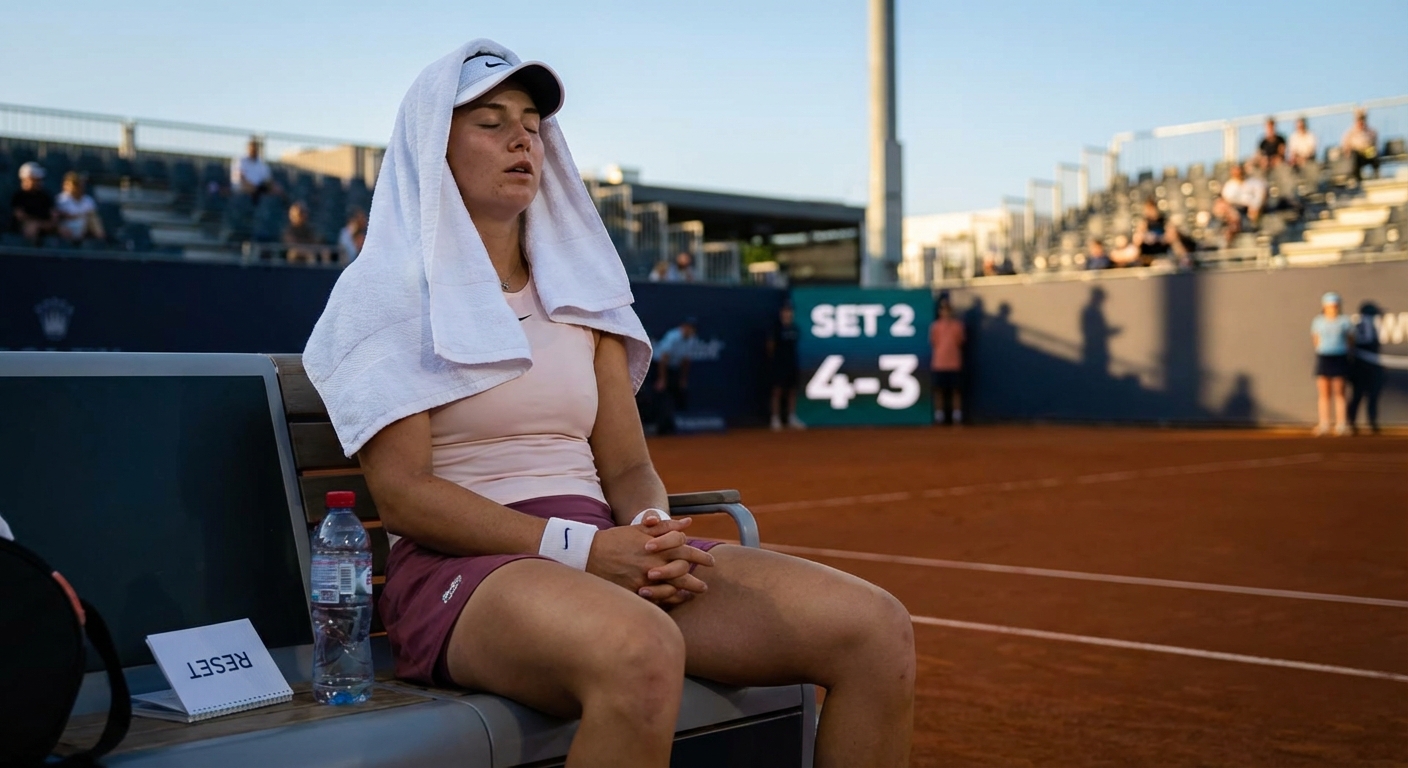
The 90 seconds of a changeover can determine the outcome of a tennis match. This article explores structured changeover routines that help players process the previous game, regulate emotions, and plan tactically for the next game - skills that separate consistent performers from talented underachievers.
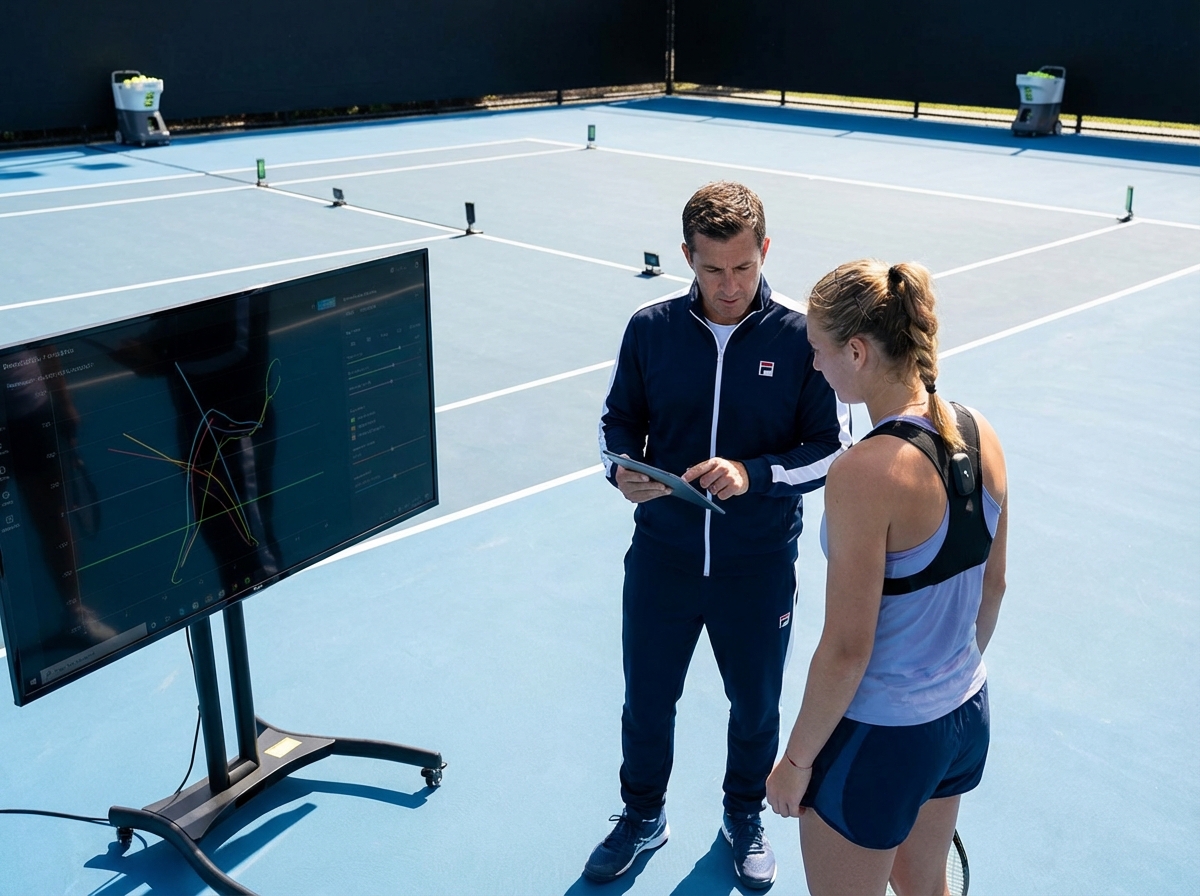
From sensor-equipped rackets to AI-powered coaching, technology is making tennis training more precise than ever. Here's what actually works.


Register for FREE and get coaching tips, top drills, session and more every week!