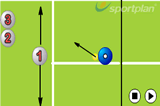
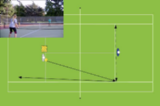
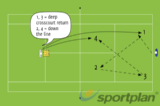
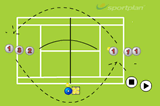
Player 1 is feeding and can start halfway between the service line and the net with arms outstretched at shoulder height.
Player 2 is working, starting in the ready position on the baseline, but remaining active on the spot.
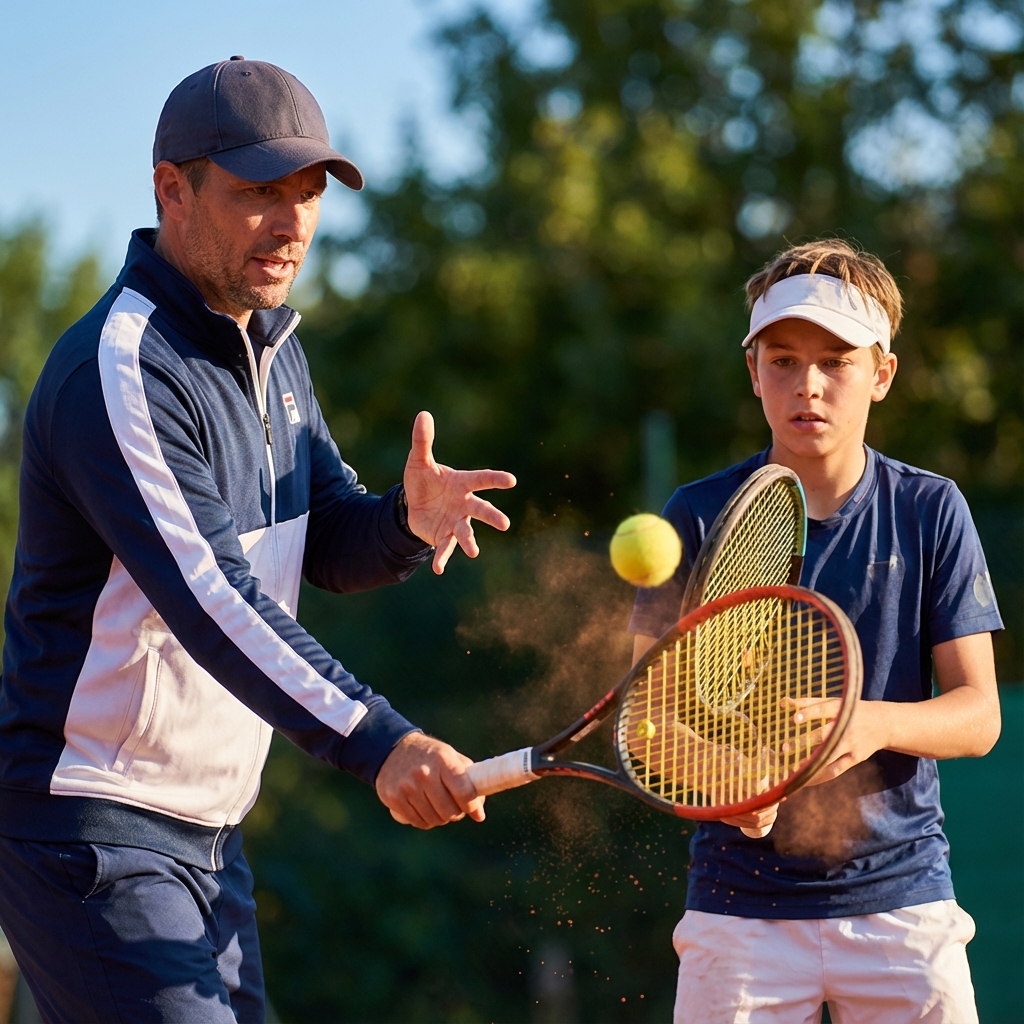
Player 1 must drop either of the 2 balls they have outstretched in their hands. As soon as player 2 sees this they must sprint forwards and try to get to the ball after 1 bounce.
They then throw the ball back to player 1 and shuffle their feet moving backwards in a relaxed way to get into the start position for the next feed.
5 feeds are completed before the players switch roles and the drill can again be repeated 5 times for each player.
The feeding position can be adjusted forward or backwards depending on the players' speed and physical ability.
The feed should put the player under enough pressure so that they can only just get to the ball maybe 4 out of 5 times.
They need to be pushed!
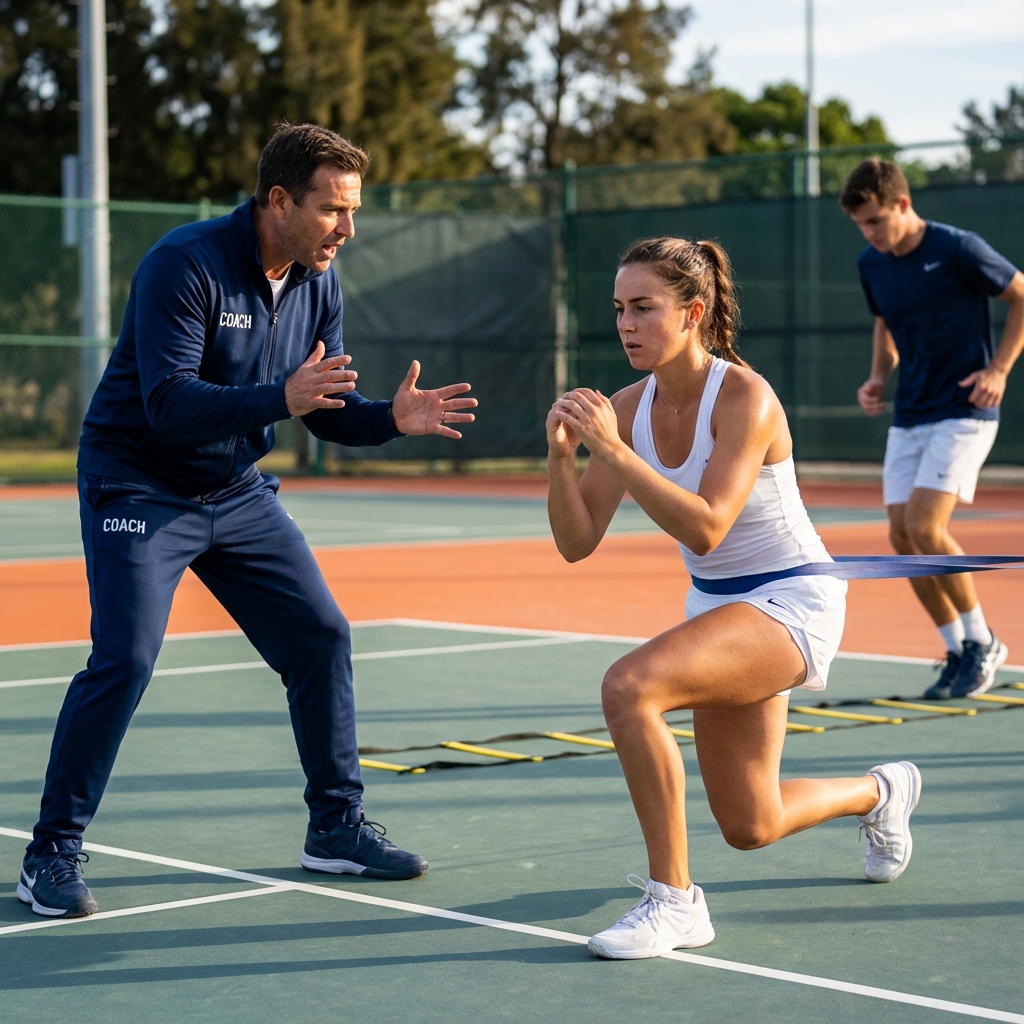
Tennis demands a unique combination of endurance, power, agility, and flexibility. Physical preparation determines how long careers last and how players perform when it matters most.
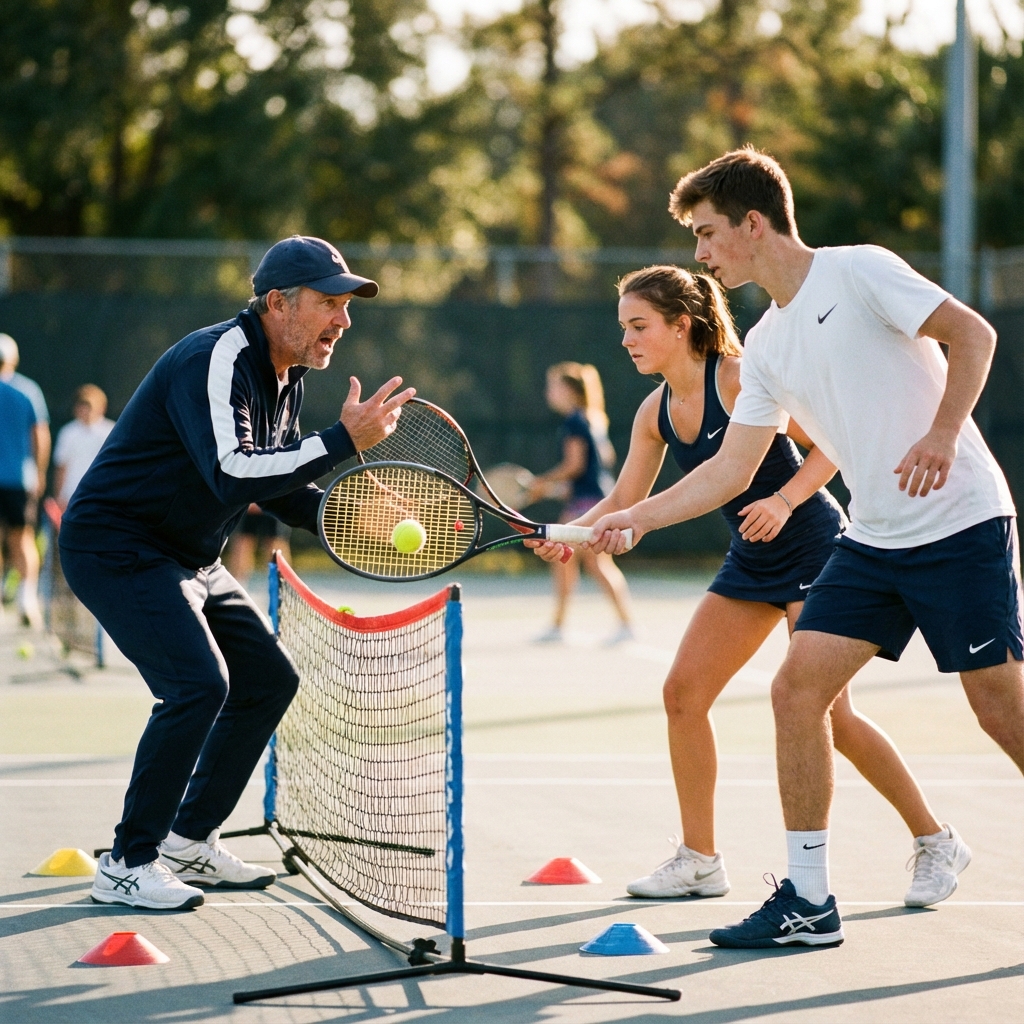
Ecological dynamics is transforming tennis coaching. This constraints-led approach develops adaptable, creative players who can solve problems in competition, not just execute drilled patterns.
The one-handed backhand is becoming rare, but when executed well, it remains one of tennis's most elegant and effective shots. Is it a dying art or a tactical advantage?


Register for FREE and get coaching tips, top drills, session and more every week!