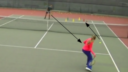
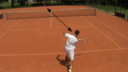
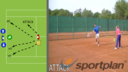
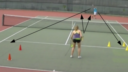
The coach serves second serve from the ad side and the player hits offensive forehand return to the ad side. The coach defends and hits easier ball back. The player finishes with deep forehand to the deuce side.
Offensive second-serve return is a must especially on top levels of play. At intermediate level, being able to put pressure on the opponent right after a second serve is a big weapon, that can give us many points and help to get an easy win. By hitting offensive returns, the player creates offensive opportunity to dominate the point, as also he forces the rival to put more risk on the next second serve what will result in more double faults.
In this drill, the player works on offensive pattern based on aggressive forehand return. Players have to be aware that to make this shot consistently they have to connect many dots at the same time. Pure technical quality is not enough to make 9 of 10 returns in the court. The coach has to pay attention to physical as well as mental aspects to guarantee desired repetition of correct actions. After significant time is spent on these skills during the practice, players have to be encouraged to use this tactic during the match, to make sure that practice skills are transferred to the competitive area.
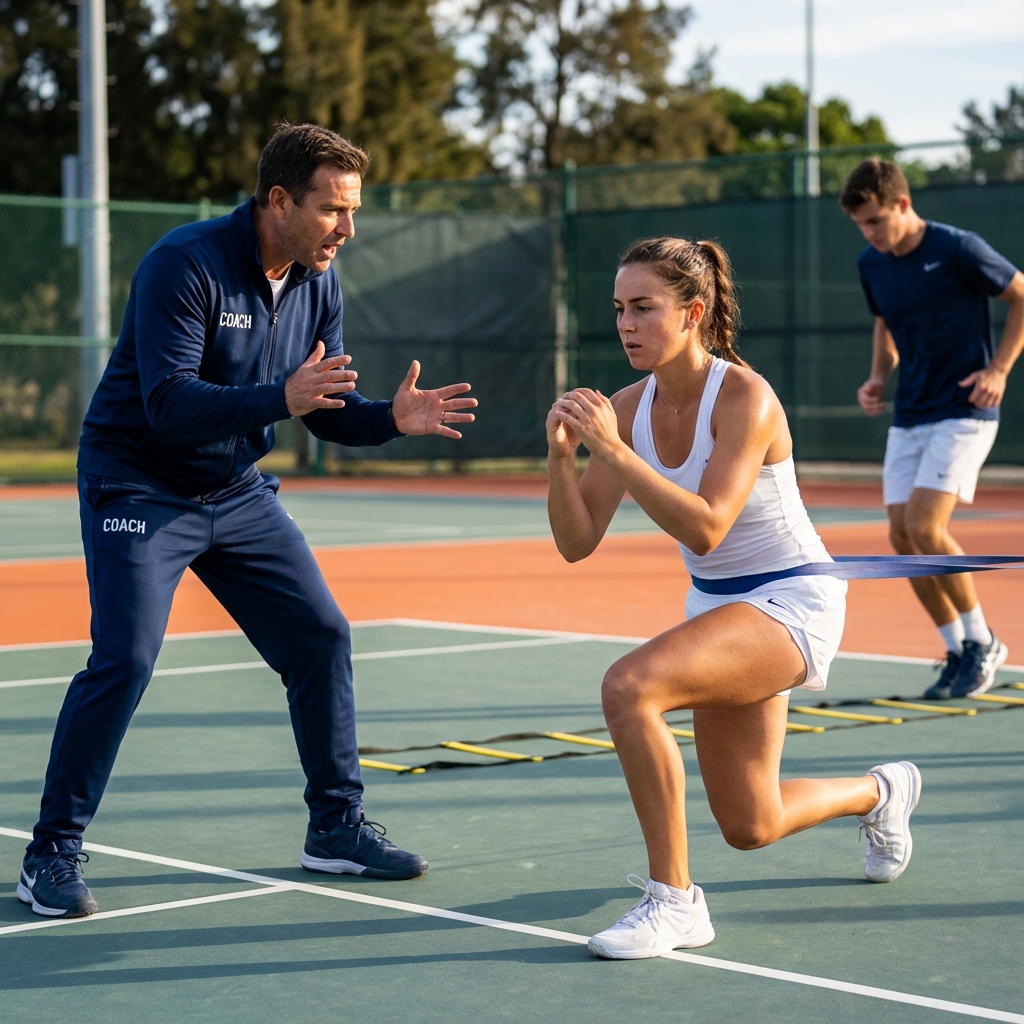
Tennis demands a unique combination of endurance, power, agility, and flexibility. Physical preparation determines how long careers last and how players perform when it matters most.
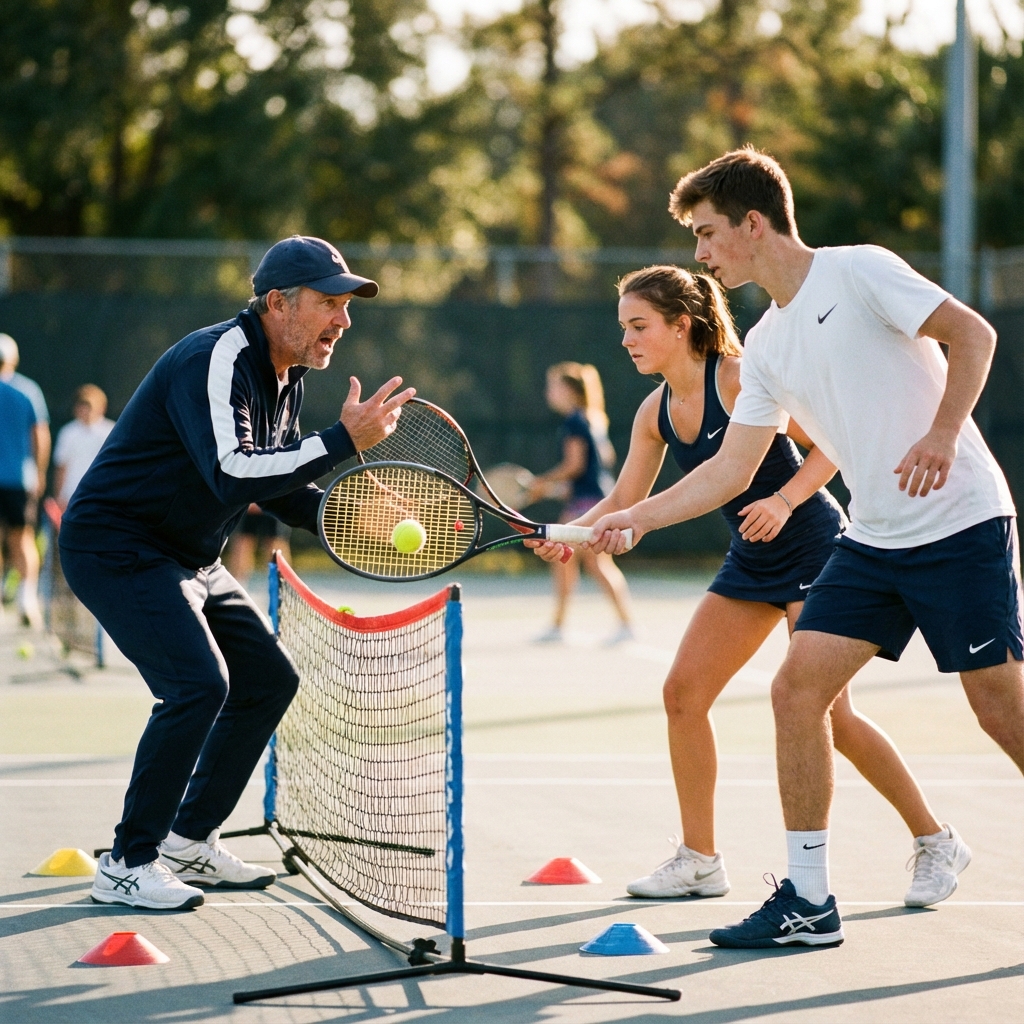
Ecological dynamics is transforming tennis coaching. This constraints-led approach develops adaptable, creative players who can solve problems in competition, not just execute drilled patterns.
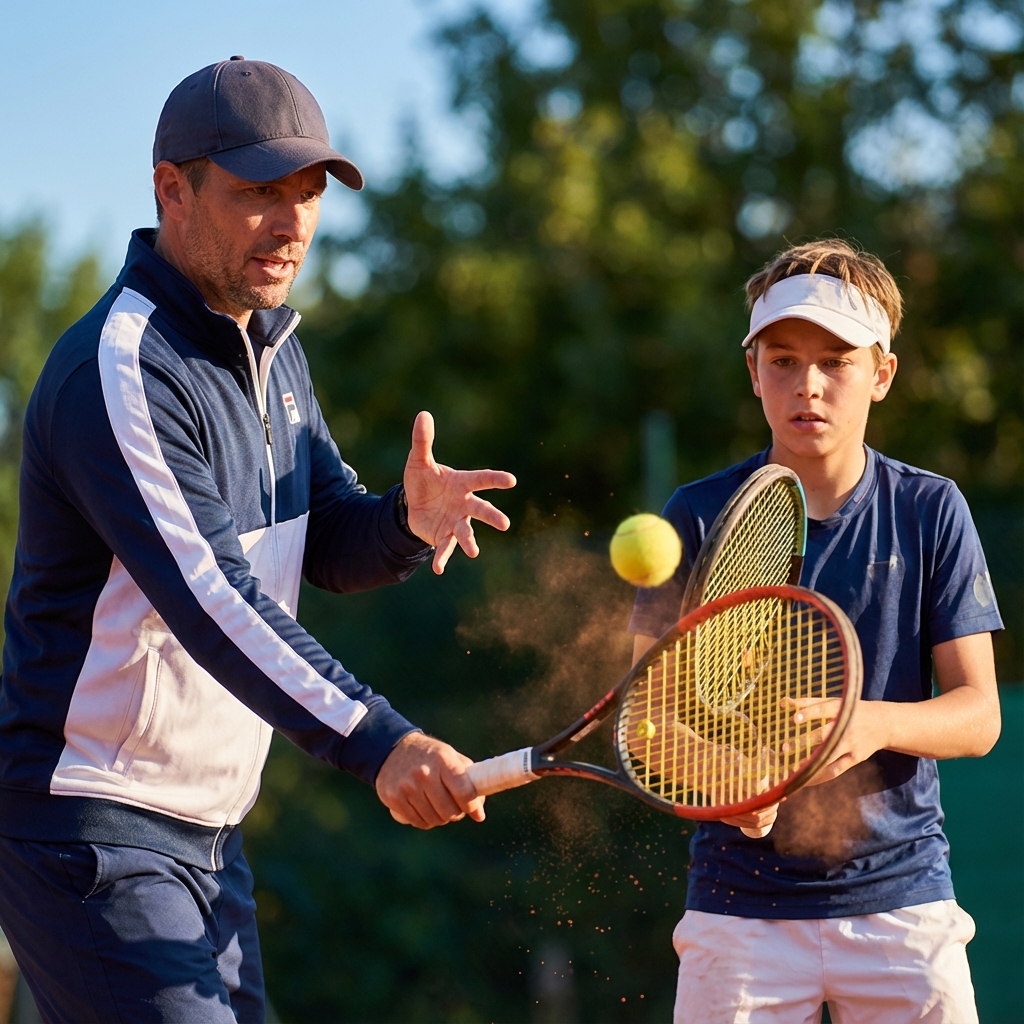
The one-handed backhand is becoming rare, but when executed well, it remains one of tennis's most elegant and effective shots. Is it a dying art or a tactical advantage?


Register for FREE and get coaching tips, top drills, session and more every week!