1) Players are paired with one racquet per player and one ball between each pair 2) Each pair is to face each other, approximately 3 metres apart 3) Each player is to hold their racquet resting beside them and holding it in their dominant hand 4) One player is to have the ball on the ground with their racquet resting on it 5) The player with the ball pushes the ball to their partner 6) Their partner aims to stop the ball with their racquet by splatting the racquet on the ball bringing it to a complete stop 7) The player repositions themselves to be side on to the ball and pushes it back to their partner 8) Pairings continue the activity until instructed to stop
1) Change the distance between pairings 2) Players can use either forehand or backhand
This practice has no coaching points
This practice has no progressions
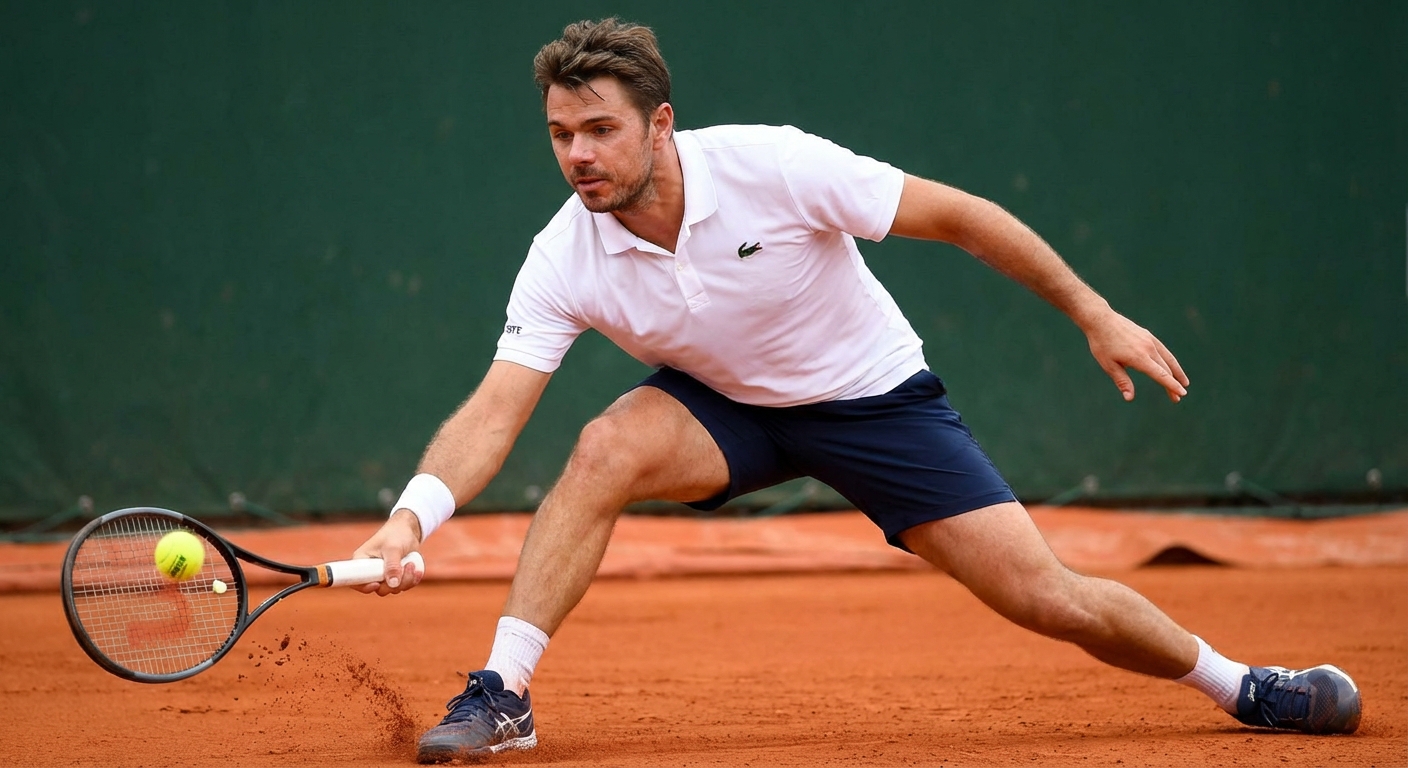
The slice backhand is experiencing a renaissance in modern tennis, valued for its ability to change pace, create approach opportunities, and neutralise powerful opponents. This guide breaks down the technique, tactical applications, and training progressions coaches need to develop this essential shot at every level.
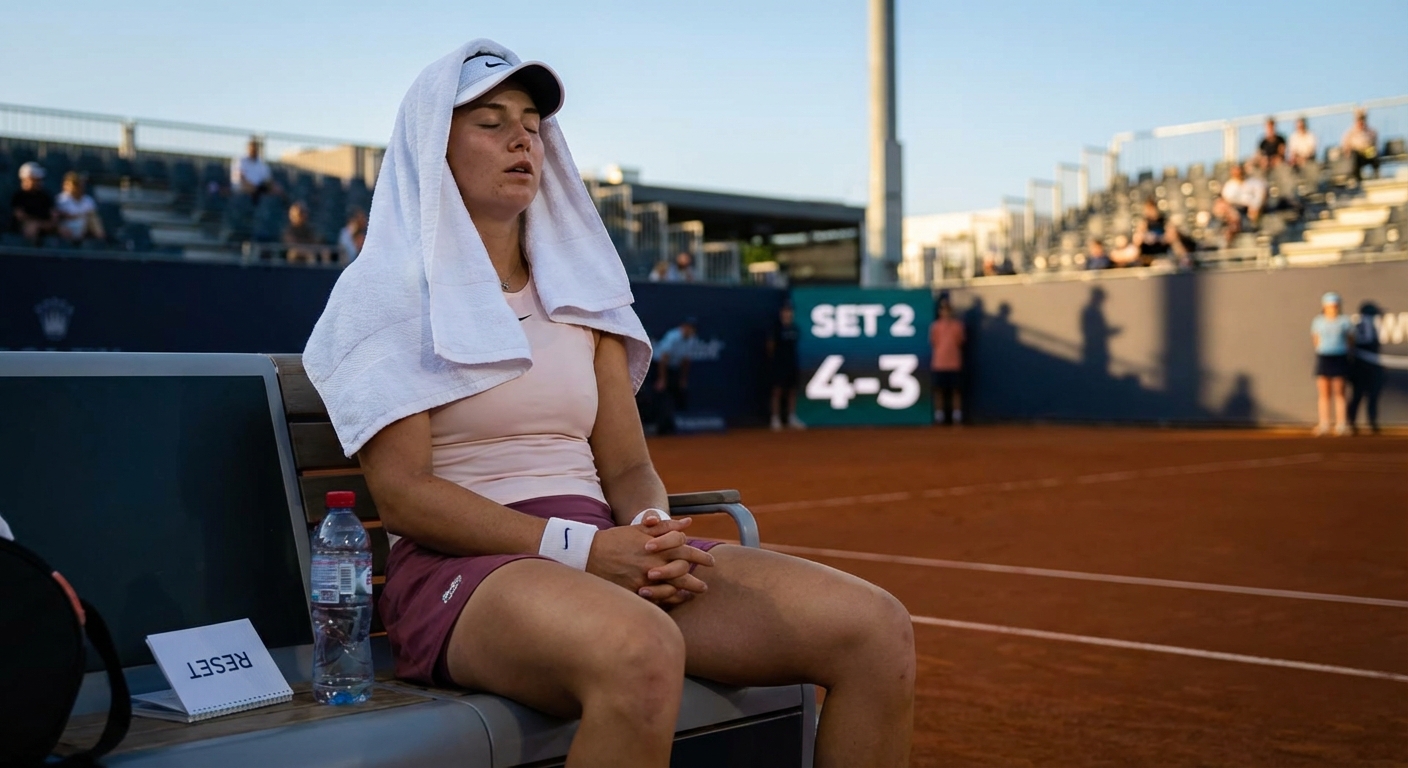
The 90 seconds of a changeover can determine the outcome of a tennis match. This article explores structured changeover routines that help players process the previous game, regulate emotions, and plan tactically for the next game - skills that separate consistent performers from talented underachievers.
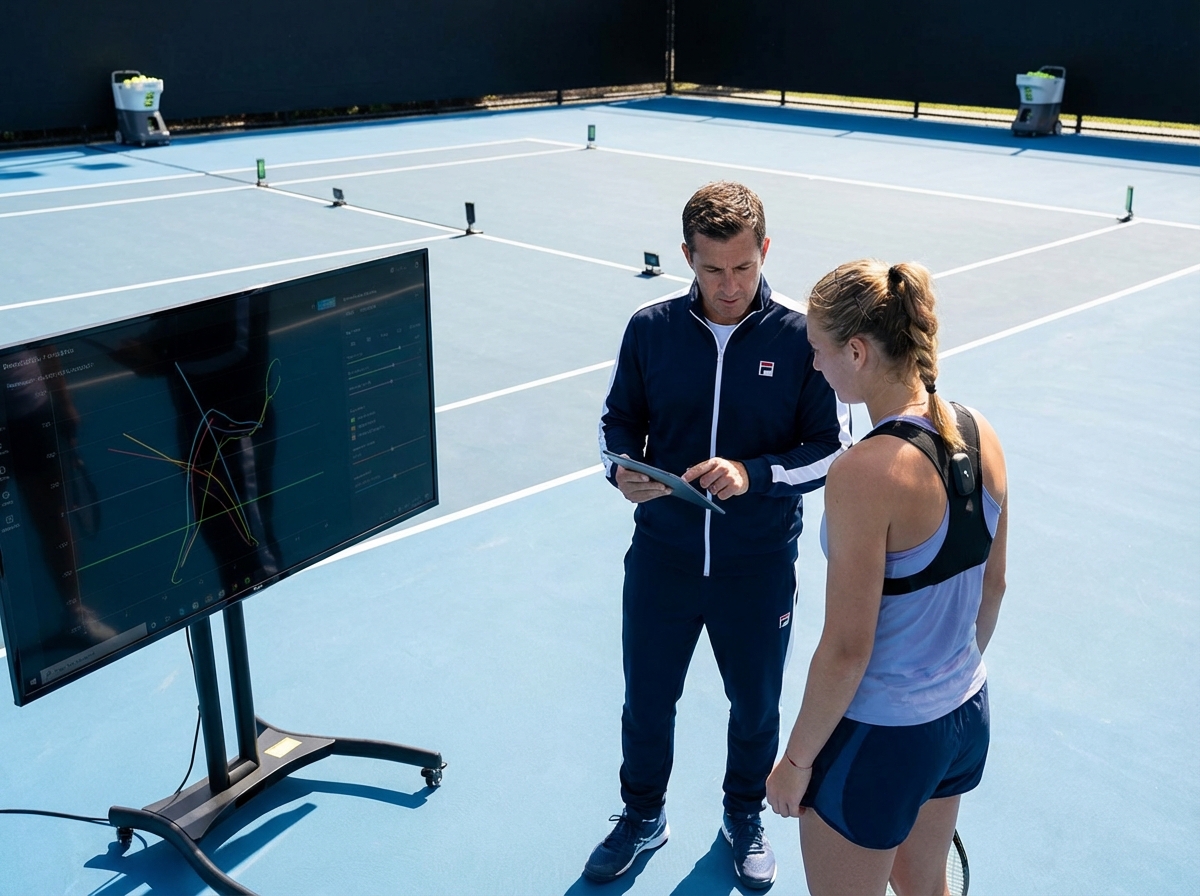
From sensor-equipped rackets to AI-powered coaching, technology is making tennis training more precise than ever. Here's what actually works.


Register for FREE and get coaching tips, top drills, session and more every week!