The coach starts the game by throwing/batting a ball out to the throwers side, As the first thrower goes to retrieve the ball the coach will also call out either A,B or C, thiw will indicate to the thrower which set of stumps they must aim for once they have correctly retrieved the ball. A stumps = the ball being thrown over the stumps to the WK/Coach B Stumps = attempting to shy the stumps C Stumps = thrower aims to shy teh C stumps In any case the backups will hear the call from the coach and attempt to back up the shot from the throwers, once the shot has been backed up they will proceed to retrun the ball either to the WK or to the Coach. If tA is called and the wicket keeper is already backing up the shot then teh backups must backup the possibility of a wide shot rom the throwers. once this process has occured the player run to the back of the opposite team around the outside of the game and the play continues for the next in line.
Concentration is key in this game as the ball could be batted to make the shot to the stumps increasingly difficult. Shots can deliberatly be missed to ensure proper practise of the backing up as well as the practise of the aiming to shy the stumps.
This practice has no coaching points
This practice has no progressions
There are currently no more drills being shared in this category

A bowling change can dismantle a partnership, halt a run surge, or hand the match back to the batting side. This article explores how modern captains use match phases, matchup data, and rhythm signals to time their changes, with a practical framework coaches can use to develop tactical thinking in young captains at club and age-group level.
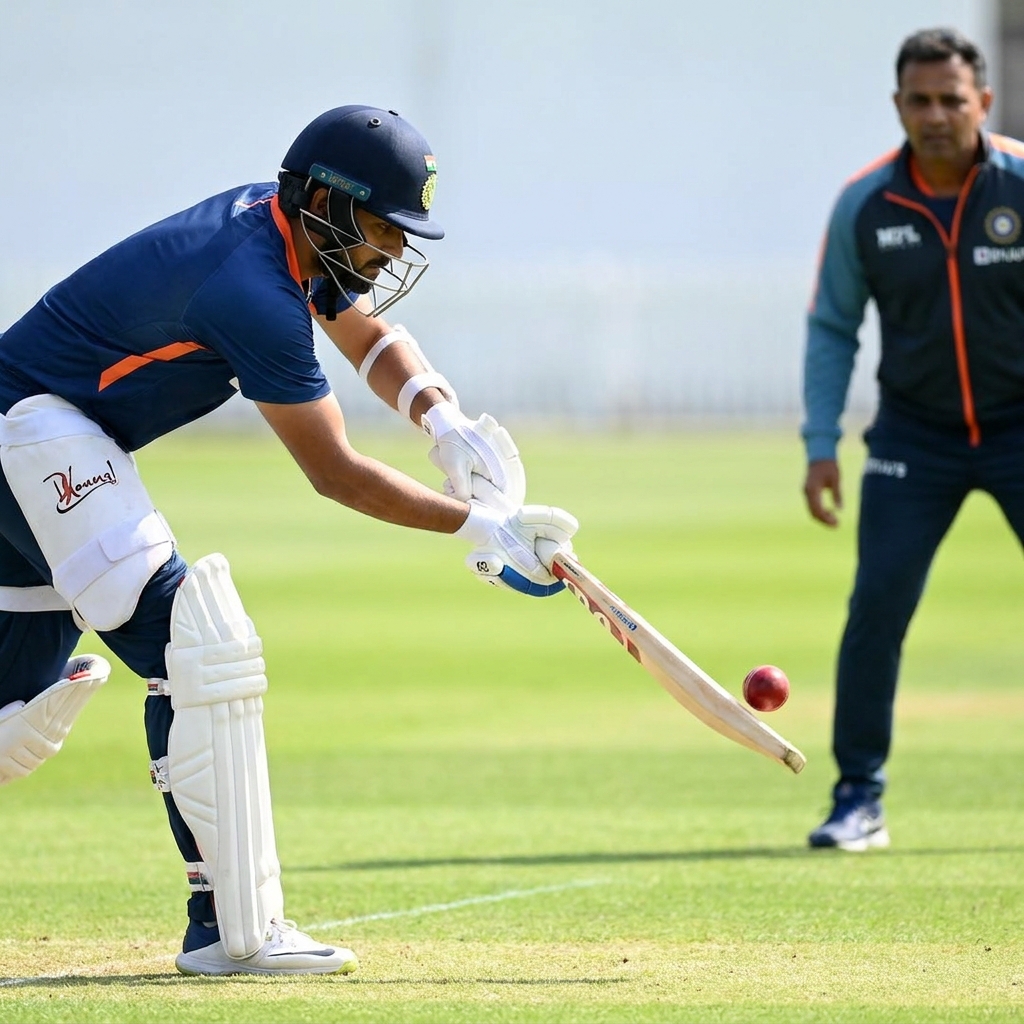
T20 data shows that teams bowling 40 or more dot balls win more than 65 per cent of matches. Strike rotation is now the most undervalued skill in batting. This article breaks down why singles matter more than sixes, the soft-hands and crease-depth techniques behind elite rotators, and a coaching framework to train relentless ones and twos under pressure.
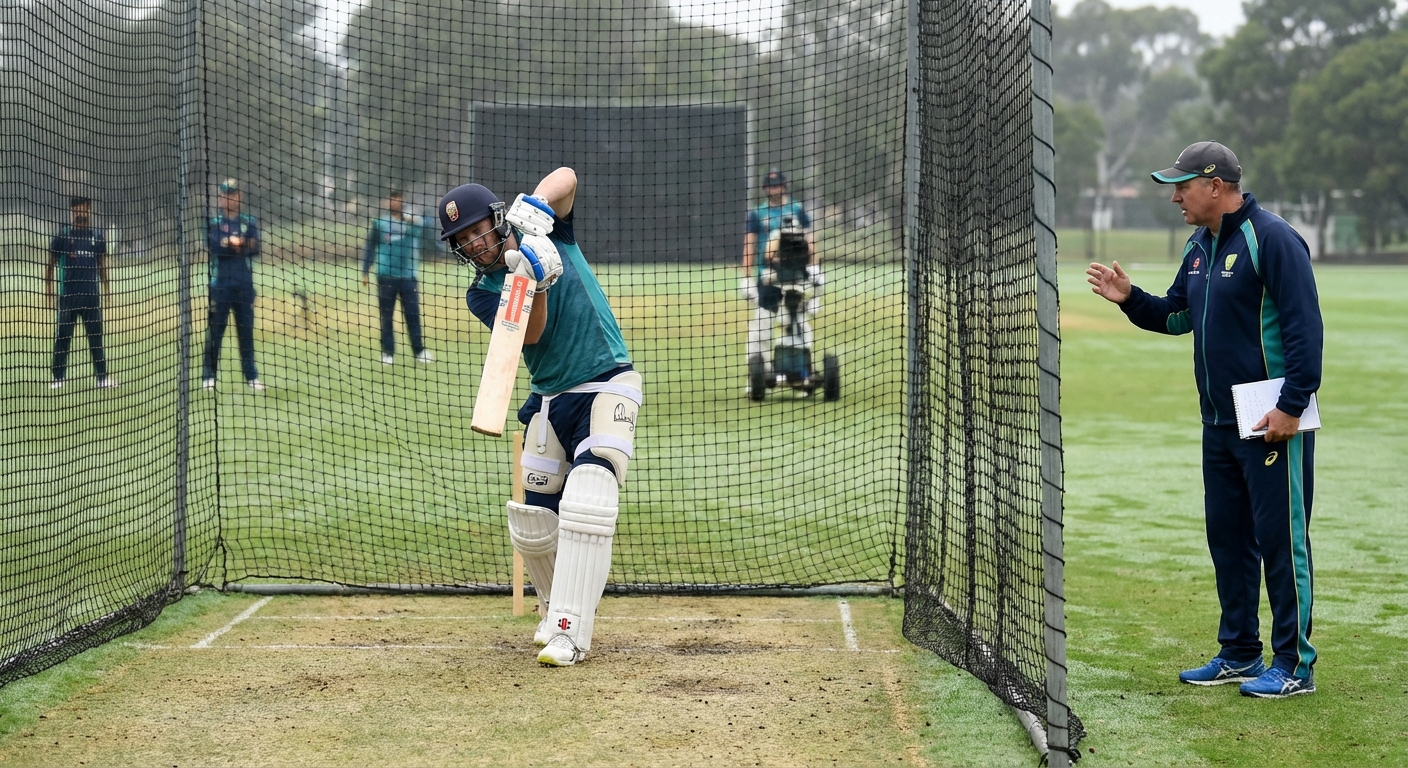
Pre-season is the best time to rebuild and refine batting technique without the pressure of match results. This article covers the fundamental batting positions that underpin consistent run-scoring, provides a progressive session framework from shadow batting to live bowling, and highlights the common pre-season mistakes that coaches should avoid.


Register for FREE and get coaching tips, top drills, session and more every week!