

Winning and Losing - Coaching Approaches
Turning a loss into a positive
It has made excellent viewing seeing how the elite coaches manage poor performances and losing. The variations and consistencies say a lot about the leadership style of the head coaches.
 But can we apply these same approaches at grassroots level? Do we need to spin the performances to manage external stakeholders or should we stay player and team focused? This clip of Sir Ian McGeechan never gets old and underpins some of the fundamentals of why we coach.
Let's take the 6N head coaches - Warren Gatland's approach, a seasoned international coach of for more than 10 years and Eddie Jones, Head coach of 3 successful International Teams. Both their approaches to the media appear to be deflecting attention away from negativity and performance outcomes. They seem to focus on whether it is external or internal pressure (locus of control), individual self confidence (stability) and factors they should control. This relates to a key psychological approach of attribution theory on how important it is for individuals to maintain a positive self image (Weiner 1974).
Plainly put successful individuals or teams blame or attribute failure to their own failings and not EXTERNAL factors such as the weather, the ref, the laws etc. By attributing failure to achieve to EXTERNAL rather than INTERNAL factors you'll never be in control of your performances.A focus on INTERNAL factors such as your own skill set under pressure, decision making, trying to understand what the ref wants (say from the breakdown or scrum) means that you will be in a better place to fix them, you're in control. Hopefully England will be better primed for not giving away so many penalties by improving their decision making at the breakdown.
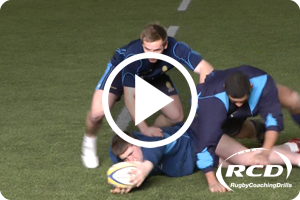 Here we have a game for developing those all important technical, tactical and decision making skills at the breakdown. This was filmed at the Leeds Carnegie academy!
Final Word
We enter the final games not only of the 6N but also of the other leagues; coaches and their staff will be under significant pressure whether it is to gain promotion or stave off a fight for relegation. As Eddie Jones says, we gain as much if not more from losing and we should as coaches maintain a consistent behaviour set whatever happens.
As a coach you can prepare yourself for the coming pressurised games, set realistic SMART goals, share these goals with others and involve the players in setting their own performance goals. Although it may be true; don't fall into the trap of saying you need to win this game. Ensure to celebrate these successes and winning will come or it won't, learn from the game and move onto the next challenge!
 A great drill/practice here for developing individuals to manage pressure and make good decisions.
If you are looking to set up a school or club account with RCD then please get in touch with info@rugbycoachingdrills.com
