
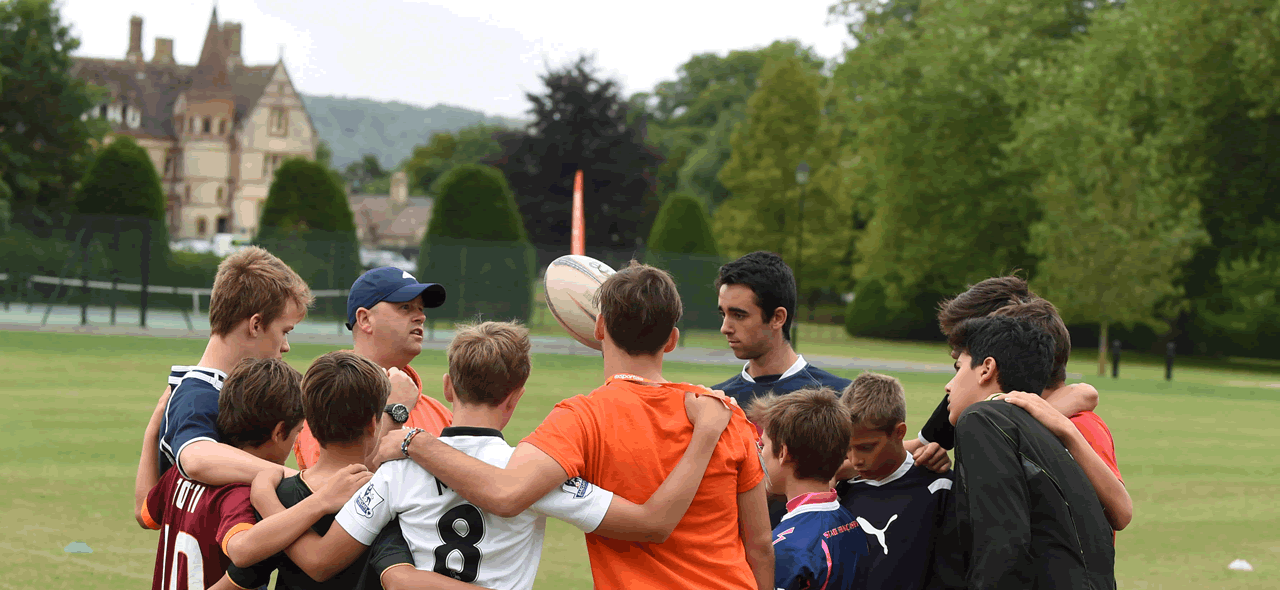
Top 10 Coaching Tips
Here are our TOP 10 lessons and tips from 2017-18 season with some film evidence to support them:
- Games Games Games: The development of coaching understanding through the use of games continues to grow and develop within the professional and grassroots games. When pushed for time or when looking for context and understanding; using games is essential to a coaches toolbox.
Video: Using games in training - Using the Process Skills: If you have taken an RFU Coaching Qualification you will be aware that using the Coaching Process Skills will enhance your coaching and the experience of the players. See here.
- Player Centered Coaching: How often do we push the player to the front of the process? Too often coaches tend to take centre stage - it is essential for coaches to focus on the player and use their needs within a coaching program.
Video: Coaching style of academy coaches - Focus on the strengths of players: There is nothing wrong in developing what players can do. A player is always selected on their strengths however it is essential to develop the areas they are not good at in a graduated program. Continually working on aspects they fail in, demotivates them, and leads to performance decline both on the pitch and in training.
- Time Management: As we discussed in previous articles the big issue for coaches is time. The average Youth/Junior coach has one 2hr session per week to deliver the whole rugby experience in terms of technical, tactical, physical and psychological aspects of the game. Coaches need to be smart in how they plan their delivery and how they plan the learning of the players.
- Core Skills WIN Games: In the 6N the biggest difference between Ireland and the rest of the teams was the number of passes they made. The desire to pass rather than ruck or take contact led to a dynamic style of play that led to them being very exciting to watch and hard to play against.
Video: Coaching super skills - Fundamentals: Underpinning all movement are the fundamentals of movement, learning how to run and pass the ball is based upon the basics of locomotion, balance and simply catching and holding and object. If these fundamentals are not embedded into a players program at a young age it makes specific rugby related skill actions difficult to master.
- Keep it Simple: Rugby is a simple game, over coaching is often done with good intentions, coaches have always wanted to impart knowledge and often end up dumping this knowledge into their coaching sessions by talking too much. Less is more.

Video: Simple passing exercises - Practice, Practice, Practice: As we have discussed achieving MASTERY takes time and correct practice. Embedded within a coaching session there should be an appreciation of skill learning principles. Achieving a performance that is unconsciously competent requires repetition of the skill in closed and open environments. A kick at goal, scrum-half pass or hookers lineout throwing cannot be perfected by using a game practice alone. The coach must be able to coach the skillful templates for all actions in the game at their respective age-grade or level.
- Enjoy your coaching: As a parent coach you will have huge fun coaching and supporting your child and others within age group, making life-long friends and sharing experiences that other sports seldom give. But many coaches lose the focus that primarily drove them to play the game or get involved. If you do nothing else as a coach, HAVE FUN.
Video: Fun is the key to winning
We could probably have gone onto 20 but that might spoil the next top 10 list - coming soon!
All these great drills and games can be found on our website RugbyCoachingDrills.com - here you can access thousands of excellent examples of new ideas, old ideas done better and ideas you hadn't thought of!
If you are looking to set up a school or club account
with RCD then please get in touch with info@rugbycoachingdrills.com
