
Talent Identification & Development in Young Players
Talent Identification & Development in Young Players
"Hard Work Beats Talent When Talent Doesn't Work Hard"
I chose this as a starting point for a discussion on talent ID and development, when it struck me that all children are talented but not all children work hard. Similar can be said for coaches; lots of coaches are talented but the best coaches work hard at being the best they can.
We can devise numerous games, practices and drills for our players during the session but how do we measure effort? It's often measured subjectively through observation or we measure it ie. RPE Scale (Rate of Perceived Exertion a 1 to 10 scale) - the bleep test usually acting as a standard. As tech improves we now also have GPS which some levels of the game use to objectively measure effort and work rate.
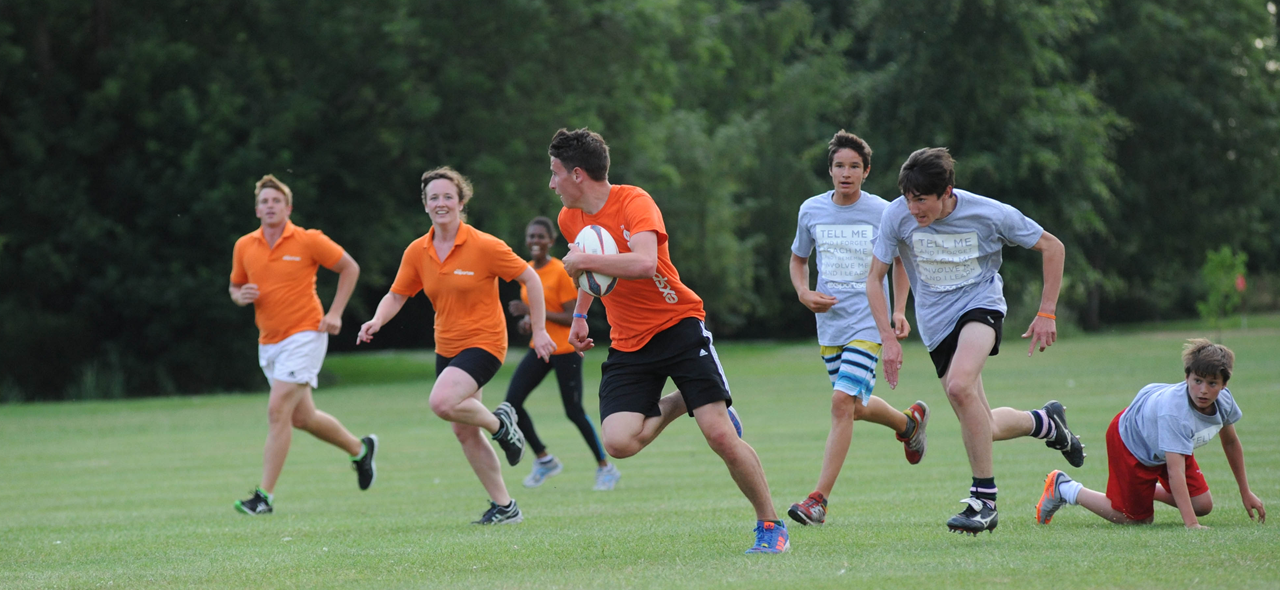
Just about every rugby player who has pulled on an International shirt has played mini or youth rugby. They all started the same way, presenting themselves to their coaches wanting learn. Simply put, talent is everywhere, all of us have played alongside talented youngsters who find it easy to execute movements and techniques - they never have to struggle, they rarely fail and they always get selected. Alongside this is the young player who has to really work at their movement skills, struggle to execute successful skilful movements, and often not get selected to play. However, they don't give up, they are always at training and they display other talents that are not so overt...
As a coach it is too easy to slip into a Talent ID model of selection via execution - there is a task to do and those who do it are selected. It's easy to forget the many talents we cannot see so obviously:
- Resilience
- Mental Toughness
- Aptitude to Learning
- Coachability
- Listening skills
- And many more...
These internal talents are seldomly used in Grassroots Talent ID and Development - they are in all children to some degree and can be developed in those without it. Simplistically put some people are better at handling pressure than others and we can coach this. For example 2 young players, one immensely technically talented and one average performer, yet the less talented player thrives under pressure, enjoying the challenging environment. So which one will go onto have a career in high level sport? It is too early to tell but as a Coach you can assist this process and hopefully expand the talent pool coming through by working on talents we cannot see.

What can you do in a training session?
Be aware that in the practice the technical components are important but by adapting your coaching style and using questioning and listening skills you will develop these softer skills in all players not just those who display technical ability.
If you are looking to set up a school or club account with RCD then please get in touch with info@rugbycoachingdrills.com
