
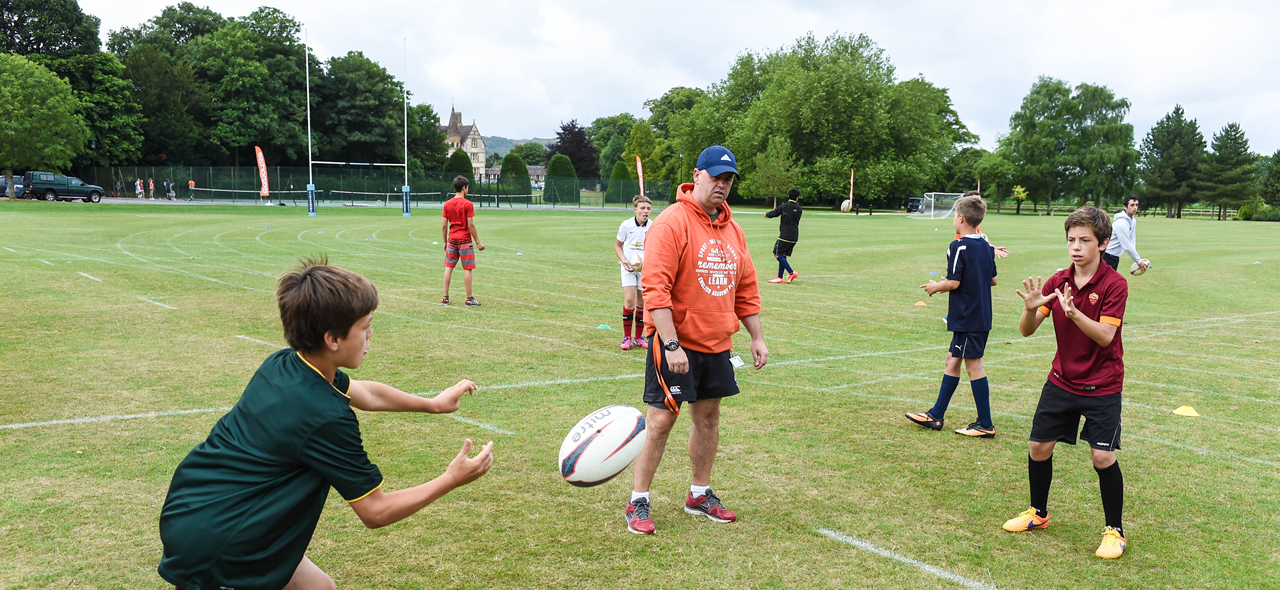
7 different practice methods for coaches
Coaching is based upon the delivery of knowledge specific to the performers you are working with. There are several modes of practice that a coach can use to enhance learning and vary practice! Here are some examples from our collection of the different practices in action, with a short definition.
1) Massed Practice
Massed practice is generally defined as practice that occurs without rest between trials (Burdick, 1977). Schmidt (1991) defines massed practice more loosely as, "a practice schedule in which the amount of rest between drills is short relative to the trial length".
2) Distributed Practice
Distributed practice (also known as spaced repetition or spaced practice) is a learning strategy, where practice is broken up into a number of short sessions over a longer period of time.

3) Random Practice
Random Practice with its frequently modified routine, results in better retention of the skill after training is completed.
4) Blocked Practice
Blocked practice is when a learner performs a single skill over and over, with repetition being the key. Variance in training is minimized or nonexistent. The learner then moves on to practice another discrete skill in the same way.
5) Whole/Part -or- Whole/Part/Whole Practice
The part practice method generally involves breaking down the skill into natural parts or segments, practicing those parts separately until they are learned, and then integrating them to perform the skill in its entirety. Part practice is the preferred technique for skills low in organization and high in complexity.

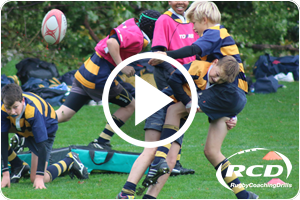
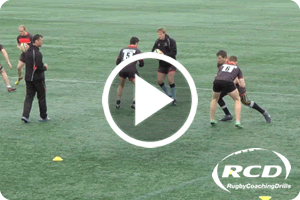
6) Variable Practice
In the study of learning and memory, varied practice (also known as variable practice or mixed practice) refers to the use of a training schedule that includes frequent changes of task so that the performer is constantly confronting novel instantiations of the to-be-learned information.
7) Serial Practice
A high contextual inference practice is where there is a great memory and performance disruption that results from performing multiple skill variation of a skill within the context of practice.
It's highly unlikely that you'll have the time or energy to get through all these aspects to the necessary level of understanding. RugbyCoachingDrills.com can assist you in having the knowledge and understanding at your fingertips. We can give you a range of technical videos and films practices that allow you to deliver a session with plenty of good fun games but also the technical delivery that players need.
If you are looking to set up a school or club account
with RCD then please get in touch with info@rugbycoachingdrills.com
