

Never stop learning, coach!
A rugby season is full of opportunities to learn by planning, practice, observing and reflecting on your training sessions and the competitions that your players take part in. Not only will you have seen what your players need to develop and learn but also gaps in your own knowledge and understanding may become apparent.
Before you get too excited, rugby is a simple game: RUN, PASS, CATCH oh and some collisions too! There are many other aspects of the game that you may or may not find relevant. For example, learning the latest Jackal Techniques as observed in Super 14 might be great to watch but coaching an U13 these techniques is NOT relevant on so many levels.
An understanding on the basics is essential. ALL games, ALL sports require a basic concept of HOW to do something and this nearly always relies on some FUNDAMENTAL movement skill or the coach knowing how to deconstruct a skill into its components. Coach these components and then put it back together again - using games which help the player understand the relevance of these techniques. Hence the movement in using games for understanding, however as we have mentioned, just using games will NOT develop specific schema (see here) that will underpin the players performances.
Anyway, this week we will be looking at the FUNDAMENTAL aspects of PASSING the ball, breaking the skill down into the following components:
1) Catching the ball
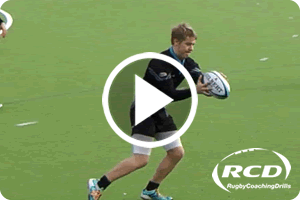
2) Gripping the ball

3) Ball transfer
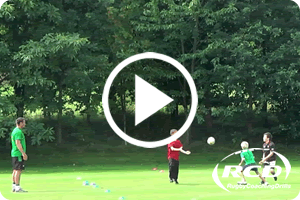
All these great drills and games can be found on our website - here you can access thousands of excellent examples of new ideas, old ideas done better and ideas you hadn't thought of!
More Knowledge
Some of you may have taken some form of qualification or course, which hopefully have had significant focus on developing you as a coach, embedding sound coaching principles! Unfortunately, over time we tend to forget or not adhere to the good practices we learn on the course.
One huge area that Coaches tend to forget or not practice are the Process Skills - these are invaluable to you being able to impart the knowledge and understanding of your coaching philosophy to your players.
To remind you of the Process Skills - here's a simple run down:
- How we deliver is really important - style, positioning, body language - these all impact on the instruction of the practice.
- A picture paints a thousand words, many learners need to SEE what you are trying to communicate. Once they see it they have a far better idea of the actual performance expected. But the DEMO must be correct and faultess - otherwise don't be surprised if they do it wrong by copying the wrong demo.
- Fault correction relies on you observing what is happening and being aware of the factors that are perhaps not correct or need development. If you do not see it then this is most probably down to a lack of knowledge of the technical template ie. there is a gap in your knowledge. Simply put, poor observation, leads to a lack of fault correction which leads to a lack of technical guidance and limited progression.
- Feedback stems from what you see. If it's what you want to see and the outcome is correct then you can praise it - this praise needs to be specific not general and linked to a name for more personal anchoring and recognition.
- By understanding how to break up a technical practice you can then provide specific key factors that allow good practice without overloading the learner - a common mistake is for the coach to impart ALL the factors at the same time - completely baffling the players with exactly what hey are meant to deliver and focus on.
If you are looking to set up a school or club account
with RCD then please get in touch with info@rugbycoachingdrills.com
