
The Benefits of Learning to Lose
- October 9, 2013
- Tim Hutton
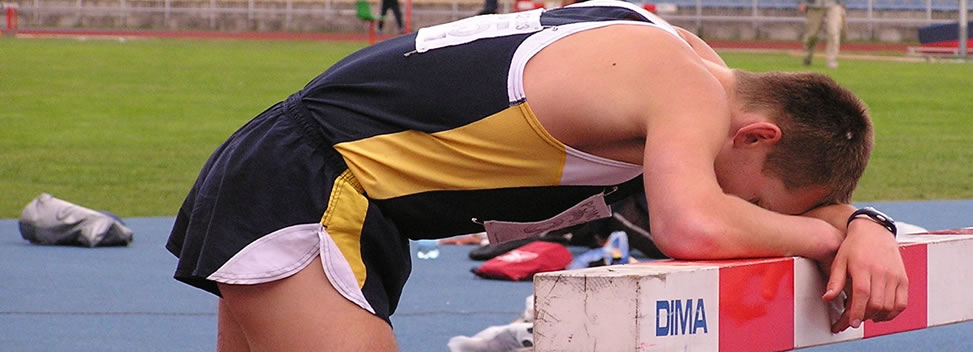
It has been claimed recently that children should be taught how to lose graciously as this will help them in later life.
Chairman of the Independent Association of Prep Schools, Eddy Newton, claims that the best schools not only promoted success and competition but also ensured that children learn the "life lessons of coping with defeat or a lack of success."
It is believed that too many children have a fear of defeat, and simply can't accept it when they lose. But learning to lose is an important part of life, particularly for young people who will soon be on the verge of adult life, where they will need to be "losing graciously" when perhaps failing to get a job or struggling in the workplace.
Some children are very competitive and they struggle with the idea that they haven't won. You will have some children who weep and wail very occasionally and gradually learn that it's just part of the way life should be.
Eddy Newton, Headmaster, Chafyn Grove Prep School, Salisbury
Not only should children be learning how to lose, but they should also be learning basic etiquette for both before and after sporting fixtures. Mr Newton said: "You show them the etiquette of cheering the other side, shaking hands and saying, 'well played' - things that might sound rather old-fashioned but might help with breaking the disappointment of losing."
Learning to lose isn't something that comes naturally of course, it has to be educated and takes guidance, but Michelle LaRowe claims that you can help children lose sooner rather than later in five steps. These include providing children with opportunities to lose, and teaching them good sportsmanship such as congratulation opponents after fixtures. LaRowe's full list of tips can be found here.