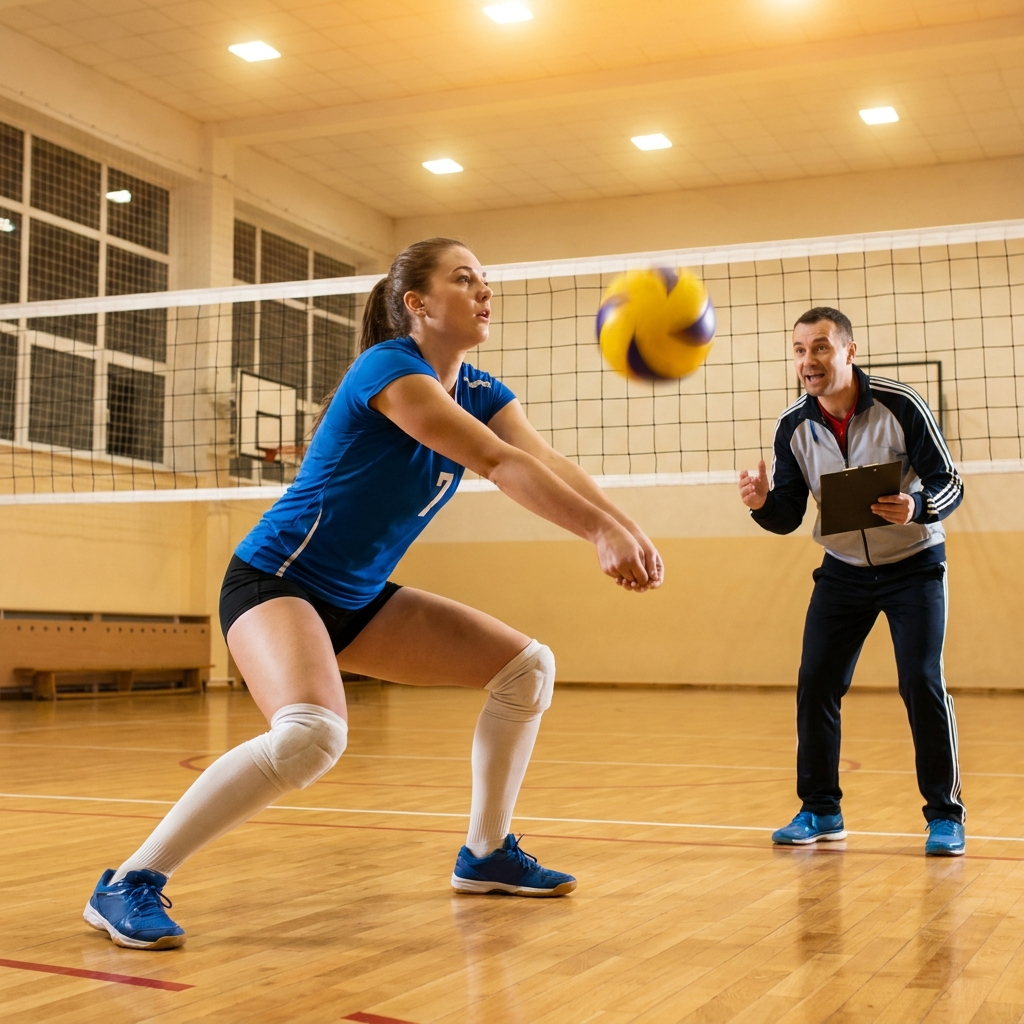
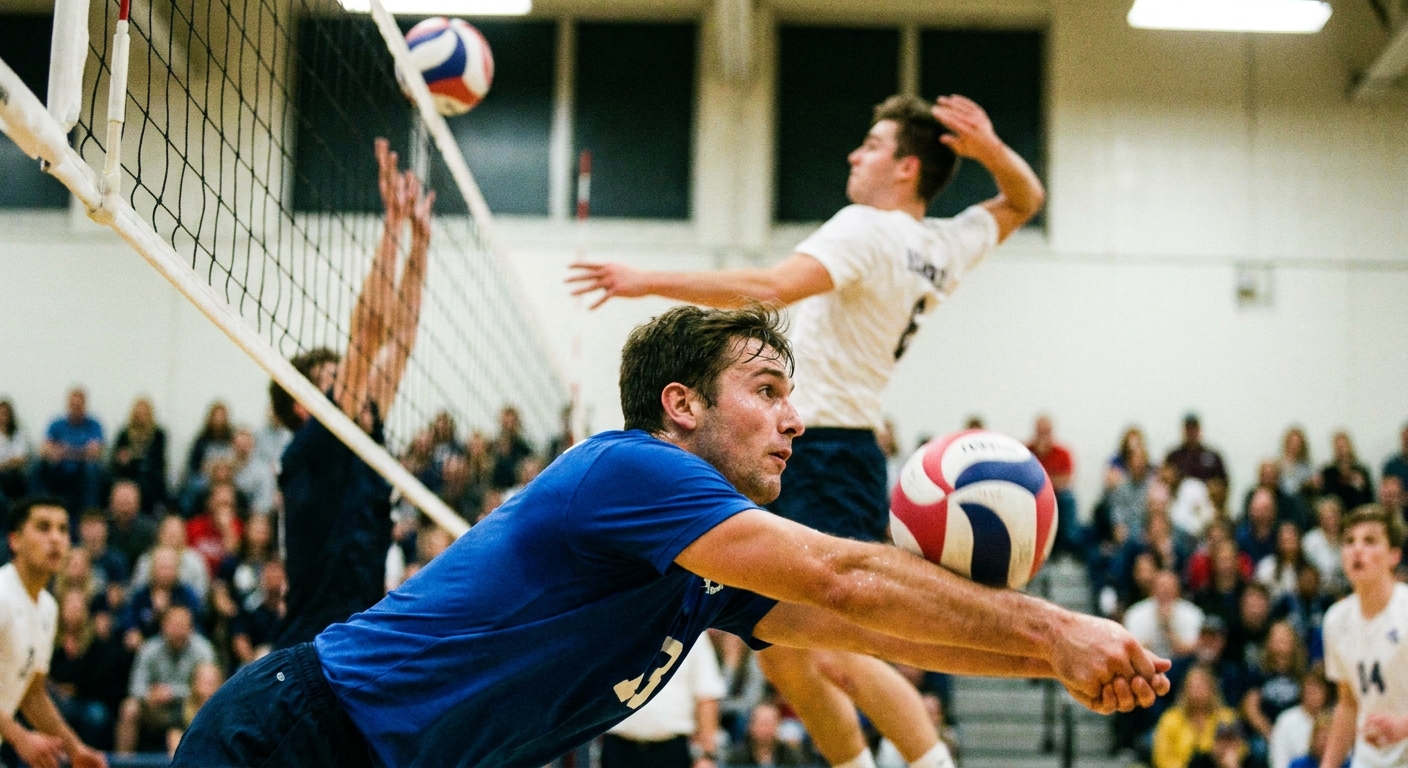
Elite volleyball analysis from the 2024 Paris Olympics showed serve reception effectiveness at 54.73%, highlighting how challenging this fundamental skill has become. With serves becoming more powerful and tactical, teams must choose formations that maximise passing quality while setting up their offensive system.
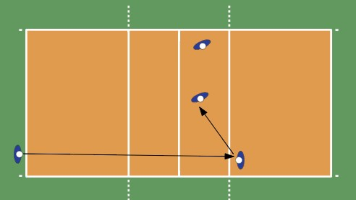
Three-Player Serve Receive
The preferred formation for higher-level volleyball:
Advantages: Less confusion between passers, clearer communication, and the ability to hide weaker passers. Only your three best passers need to receive.
Challenges: Each passer covers more court space. The setter often starts far from the net to avoid overlap violations.
When to use: When you have three confident passers and want to free up attackers to focus on their approach.
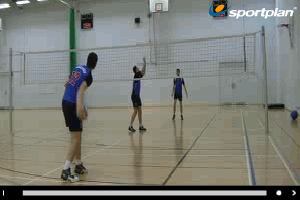
W-Pattern Formation
Using four or five passers in a W-shape:
Advantages: Reduces individual court coverage. Better handles short serves that trouble the traditional three-person pattern.
Challenges: All passers become potential targets. Requires more communication between players.
When to use: Against teams with varied serving strategies or when developing younger players.
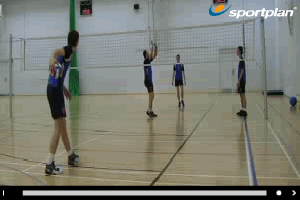
U-Formation
Positioning passers in a U-shape around the court:
Advantages: Frees the quick attacker from passing duties. Front-row passers handle short serves, reducing pressure on deep passers.
Challenges: Increased individual court coverage for each passer.
When to use: When protecting your middle attacker's approach timing is priority.
Contact Point Fundamentals
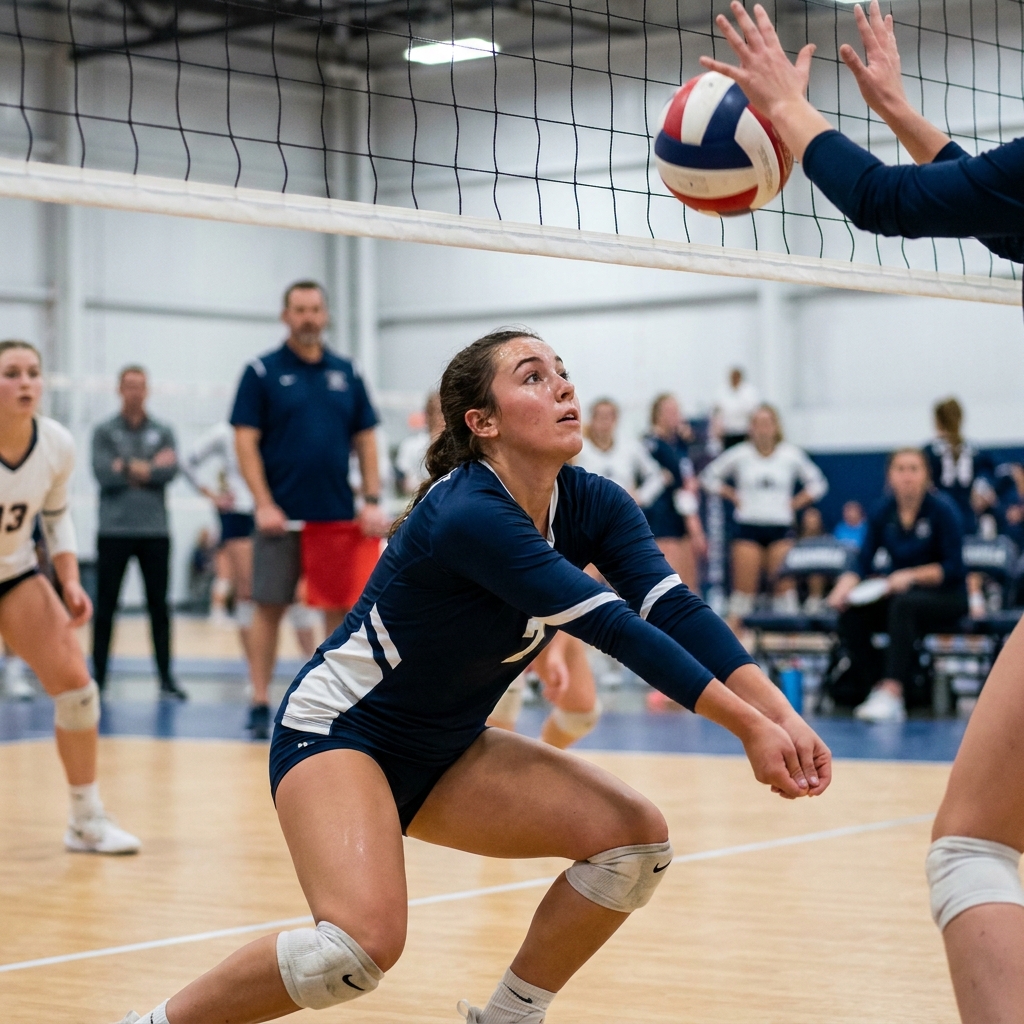
Research from FIVB World Championships analysing over 4,000 receptions found that the most successful passes occurred when the ball contacted:
Centre of body: Near the hips provides optimal platform control and direction.
Adapting technique: Modern serves are so powerful that players often cannot move completely under the ball. Training must include passing from various body positions.
Key Coaching Points
- Choose formation based on your personnel's passing strengths
- Three-passer systems suit teams with elite passers
- W and U patterns reduce individual court coverage
- Train contact points at centre of body and hip level
- Practice passing from non-ideal body positions