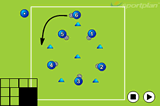
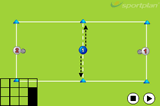
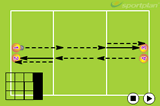
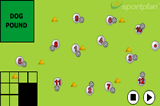
Set up an area as shown with the coach (sleeping giant) in one end surounded by cones (gold coins). The players are at the other end and they have 1 ball each.
While the sleeping giant is asleep the players can move towards him/her, as soon as the sleeping giant awakes they have to stop and be still, if they are caught moving the sleeping giant can chase them back to the start.
If players get to the sleeping giant they pick up a gold coin and run back to the starting area to store it.
Emphasis on close control and ensure players keep their head up while dribbling and moving with the ball.
Highlight the importance of awarness so they do not get caught moving as the giant awakes.
Can they show good changes of pace (taking bigger touches instead of close control) when they need to get away from the giant.

Discover our new Coaching Trends section - in-depth articles covering the latest tactics, techniques and innovations across Football, Hockey, Cricket, Rugby, Netball, Basketball, Tennis, Handball and Volleyball.

Save yourself a scare this Halloween and ensure your session runs smoothly. No chaos, no fright, just structure.

As the Lions tour approaches with their first tour game this Friday against Argentina, we look ahead at what the fans can expect to see from both sides as the tour in Australia approaches...


Register for FREE and get coaching tips, top drills, session and more every week!